Landscape Fire Pits Backyard A Complete Guide
Landscape fire pits in the backyard are more than just a source of warmth; they’re the heart of outdoor gatherings, transforming your space into a cozy and inviting haven. This guide dives into everything you need to know, from choosing the perfect fire pit type and fuel source to mastering safe operation and creating a stunning backyard design around your new focal point. We’ll cover design styles, safety considerations, maintenance tips, and even a DIY guide to building your fire pit.
Whether you envision a rustic stone fire pit for roasting marshmallows or a sleek, modern metal design for sophisticated evenings, we’ll help you navigate the options and create the perfect ambiance. We’ll explore various materials, fuel types, placement strategies, and accessories to help you build a backyard oasis that you’ll cherish for years to come. Get ready to ignite your outdoor living space!
Types of Backyard Fire Pits
Source: Squarespace-cdn.com
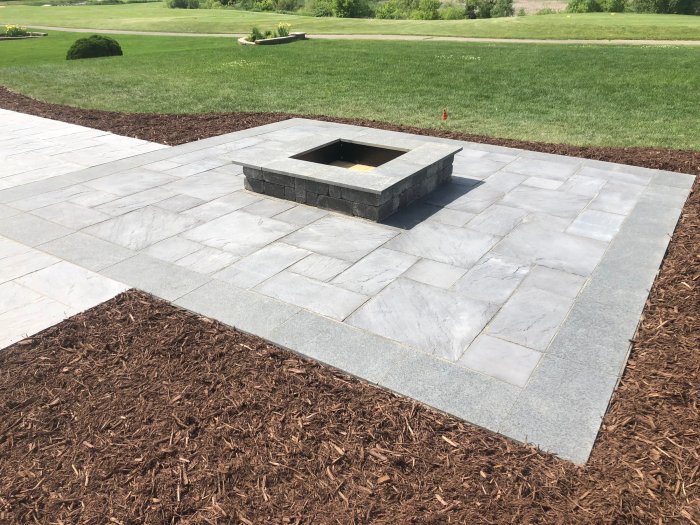
Choosing the right fire pit can significantly enhance your backyard experience, providing warmth, ambiance, and a focal point for gatherings. The type of fire pit you select will depend on your budget, aesthetic preferences, and the overall style of your outdoor space. Consider factors like durability, maintenance, and safety features when making your decision.
Fire Pit Materials Comparison
The material you choose for your fire pit will greatly impact its longevity, cost, and visual appeal. Here’s a comparison of popular options:
| Material | Durability | Cost | Aesthetic Appeal |
|---|---|---|---|
| Stone (Natural or Manufactured) | High; very resistant to weather and heat damage. | Medium to High; varies greatly depending on the type of stone. | Rustic, natural, and elegant; can be customized to match various styles. |
| Brick | High; durable and weather-resistant, but can crack with extreme temperature changes. | Medium; less expensive than some stone options. | Classic, traditional; offers a wide range of color and style options. |
| Metal (Steel, Cast Iron) | Medium; susceptible to rust and heat warping if not properly maintained. | Low to Medium; steel is generally less expensive than cast iron. | Modern, sleek; can be designed in various shapes and sizes. |
Distinct Fire Pit Styles
Different fire pit styles offer unique advantages and disadvantages. Let’s explore three popular options:
Chiminea: A chiminea is a traditional, clay or cast iron, often enclosed, fire pit shaped like a large pot or urn. Its enclosed design helps to contain the heat and smoke, making it ideal for cooler evenings. However, they can be more difficult to clean and may crack if subjected to extreme temperature fluctuations. The portability of some chimineas is a significant advantage for those who want flexibility in placement.
Fire Bowl: Fire bowls are typically open-topped, often made of metal or stone, and designed to create a wide, expansive fire. They offer excellent heat distribution and a visually striking focal point. However, the open design means less heat containment and more potential for sparks to escape. Cleaning is generally easier than with a chiminea. Many are portable, allowing for seasonal changes in location.
Raised Fire Pit: Raised fire pits, often built from brick, stone, or concrete blocks, offer a more permanent and sophisticated look. They provide a comfortable seating height and can incorporate built-in seating or a surrounding patio. However, they are more complex and expensive to build, and less portable. The height can be a safety advantage, keeping the fire further from children and pets.
Fire Pit Safety Features
Safety should always be a primary concern when installing and using a fire pit. Many designs incorporate features to enhance safety. These can include:
Spark Screens: Most metal fire pits and some chimineas include a spark screen to prevent embers from escaping and causing fires. This is a crucial safety feature, particularly in dry or windy conditions.
Elevated Design: Raised fire pits, as mentioned earlier, offer a degree of safety by keeping the fire at a distance from the ground and surrounding areas. This reduces the risk of accidental burns or ignition of nearby materials.
Stable Base: A stable and level base is essential for any fire pit, regardless of its design. This prevents tipping and ensures the fire remains contained within the pit. This is especially important for heavier materials like stone or brick.
Proper Ventilation: Adequate ventilation is crucial for preventing the buildup of dangerous gases. This often means an open design or appropriate venting in enclosed designs.
Fuel Options for Landscape Fire Pits
Source: homedit.com
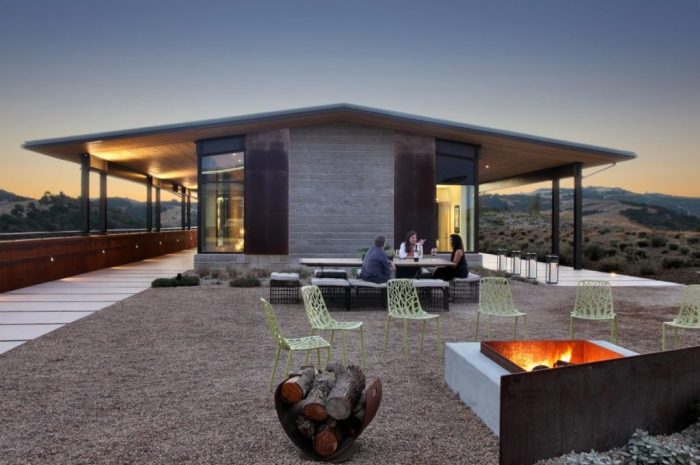
Choosing the right fuel for your backyard fire pit is a crucial decision impacting cost, convenience, and environmental responsibility. This section compares wood, propane, and natural gas, helping you make an informed choice based on your needs and preferences. Remember to always prioritize safety when using any fuel source.
Fuel Comparison: Wood, Propane, and Natural Gas
Let’s break down the pros and cons of each fuel type to help you decide which best suits your fire pit and lifestyle.
- Wood: Generally the most affordable option upfront, wood offers a classic crackling ambiance. However, sourcing, storing, and dealing with ash can be time-consuming. Environmental impact varies depending on the wood source; sustainably harvested wood minimizes its effect. Safety precautions include proper storage to prevent pests and fire hazards and responsible disposal of ashes.
- Propane: Propane is clean-burning, convenient, and easy to control, offering quick ignition and consistent heat. It’s generally more expensive than wood peruse, but the ease of use offsets this for some. Environmental impact is relatively low compared to wood, but propane is a fossil fuel. Safety requires proper tank storage and connection, ensuring no leaks, and following manufacturer instructions.
- Natural Gas: Natural gas offers the ultimate convenience, with a direct line to your home’s supply. It’s clean-burning and easy to control, similar to propane. Cost-effectiveness depends on your local gas prices; it can be comparable to or slightly more expensive than propane. Environmental impact is relatively low, but it’s still a fossil fuel. Safety demands professional installation and regular inspections to prevent leaks and ensure proper ventilation.
Safety Precautions for Fire Pit Fuels
Safety should always be your top priority when using any fire pit fuel.
- Wood: Keep a safe distance from flammable materials. Never leave a wood fire unattended. Use a fire screen to prevent embers from escaping. Ensure adequate ventilation. Dispose of the shes properly and completely after the fire has cooled down.
- Propane: Inspect the hose and connections for any leaks before each use. Never use propane indoors or in enclosed spaces. Store propane tanks upright and away from heat sources. Follow the manufacturer’s instructions for safe operation and maintenance.
- Natural Gas: Have your natural gas fire pit professionally installed and inspected annually. Check for gas leaks regularly. Ensure proper ventilation to prevent carbon monoxide buildup. Never attempt repairs yourself; contact a qualified professional.
Starting and Maintaining a Wood-Burning Fire Pit
Here’s a step-by-step guide for safely enjoying your wood-burning fire pit:
- Prepare the Area: Clear a 10-foot radius around the fire pit of dry leaves, branches, and other flammable materials. Have a water source (bucket or hose) nearby.
- Gather Materials: Use dry, seasoned wood. Smaller kindling is needed to start the fire, followed by progressively larger pieces. Avoid using treated wood or pressure-treated lumber.
- Build the Fire: Create a teepee or log cabin structure with kindling, leaving space for airflow. Light the kindling at the base. Gradually add larger pieces of wood as the fire grows.
- Maintain the Fire: Add wood as needed to maintain the desired flame size. Avoid overcrowding the fire pit, which can restrict airflow and create excessive smoke.
- Extinguish the Fire: Allow the wood to burn completely to ash. Pour water slowly and carefully onto the embers, stirring them to ensure complete extinguishment. Check for lingering heat before leaving the area.
Placement and Design Considerations
Source: boltonlandscape.com
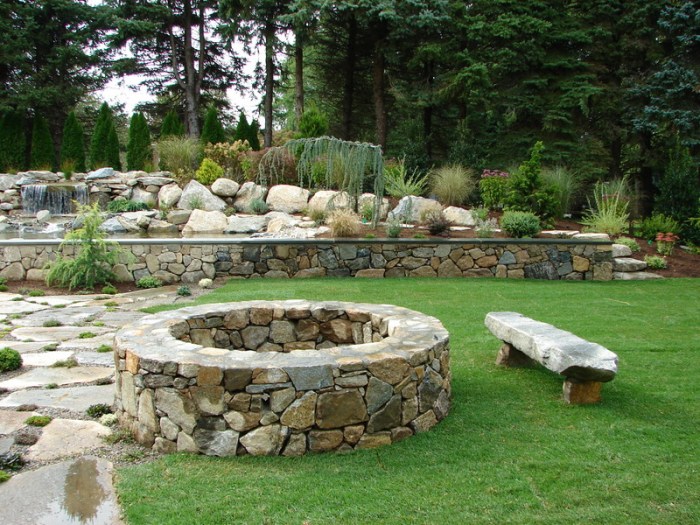
Choosing the right spot for your fire pit is crucial for both safety and enjoyment. Careful consideration of factors like distance from structures, wind patterns, and local regulations will ensure a relaxing and hazard-free experience. Proper design will then complement your backyard’s existing aesthetic and create a welcoming atmosphere.
Optimal placement involves a careful balancing act. You want to be close enough for easy access and enjoyment, but far enough away to prevent accidents and comply with local fire codes.
Fire Pit Placement: Safety and Regulations
Safe fire pit placement prioritizes distance from combustible materials. Maintain a minimum of 10 feet from any structures, overhanging branches, and dry vegetation. Check your local fire codes and homeowner’s association regulations; these often dictate minimum distances and may restrict fire pit types or fuel sources. Prevailing winds should also be considered; position the pit so smoke is blown away from your house and seating areas. For example, in a backyard with a prevailing westerly wind, placing the fire pit on the eastern side of the yard would be ideal.
Sample Backyard Landscape Design Incorporating a Fire Pit
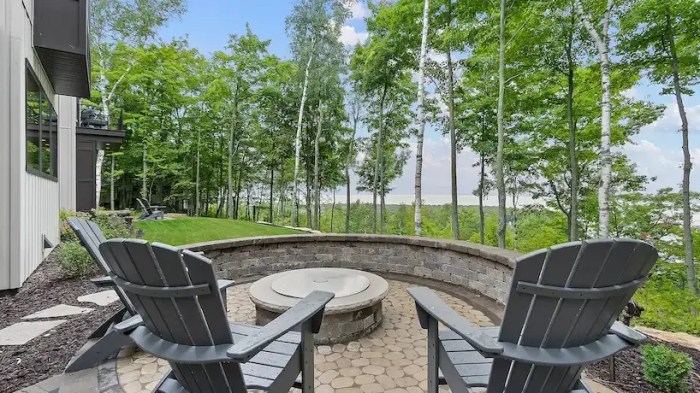
Imagine a backyard featuring a flagstone patio, partially shaded by a mature oak tree. The fire pit, a circular design built from stacked river rocks, sits centrally on the patio, approximately 15 feet from the house and 20 feet from the oak. Surrounding the fire pit are four Adirondack chairs arranged in a loose square, providing ample seating for conversation. Low-lying, drought-tolerant landscaping, such as lavender and sedum, surrounds the patio, providing a natural border and reducing fire risk. In the evening, low-voltage landscape lighting subtly illuminates the patio and the fire pit area, creating a warm and inviting ambiance. Pathway lighting leads from the house to the patio, ensuring safe navigation in the dark.
Potential Hazards and Mitigation Strategies
Improper fire pit placement poses several hazards. Proximity to structures increases the risk of fire spreading to the house. Dry vegetation near the pit can easily ignite, leading to uncontrolled wildfires. Wind can carry embers, posing a risk to nearby structures and vegetation. To mitigate these risks, maintain a clear zone around the fire pit, free of flammable materials. Use a fire screen to contain sparks and embers. Keep a fire extinguisher and a bucket of water or sand nearby for emergencies. Regularly inspect the area around the fire pit for dry leaves or other debris that could easily catch fire. Always supervise the fire pit when in use and extinguish it completely before leaving.
Accessories and Enhancements
Source: co.uk
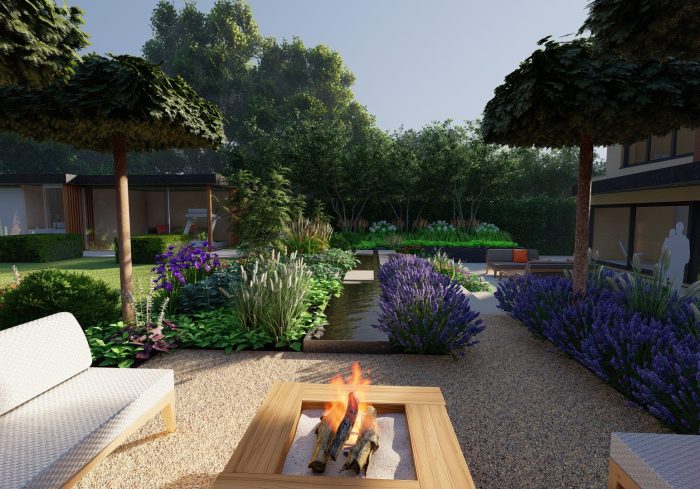
Adding the right accessories and thoughtful design elements can transform your backyard fire pit from a simple fire source into a stunning focal point and a truly inviting space for relaxation and entertainment. These enhancements not only boost the aesthetic appeal but also improve functionality and longevity.
Let’s explore some ways to elevate your fire pit experience.
Fire Pit Accessories
Several accessories can significantly improve both the practicality and the look of your fire pit. Choosing the right ones depends on how you plan to use your fire pit – for cooking, ambiance, or both.
- Cooking Grates: These allow you to grill food directly over the flames, turning your fire pit into an outdoor cooking area. Consider grates made of durable, heat-resistant materials like cast iron or stainless steel. Look for adjustable height options for better temperature control.
- Spark Screens: Essential for safety, spark screens prevent embers and sparks from escaping the fire pit, protecting surrounding vegetation and people. Choose a screen with a sturdy mesh to contain even the smallest embers.
- Covers: Protecting your fire pit from the elements is crucial for its longevity. A waterproof cover will shield it from rain, snow, and debris, keeping it looking its best and extending its lifespan. Consider covers made of durable, weather-resistant materials like heavy-duty canvas or vinyl.
- Ember Holders/Poker: A sturdy poker is indispensable for managing the fire, adjusting logs, and moving embers. An ember holder is a safe and convenient way to transport embers when extinguishing a fire or moving them to another location.
- Wind Screens: For those windy locations, windscreens made from metal or stone can help contain the fire and make it easier to enjoy the warmth. These also often add to the visual appeal of the fire pit area.
Creating a Cozy Atmosphere
The ambiance around your fire pit is just as important as the fire pit itself. Careful consideration of lighting, seating, and other decorative elements can transform your backyard into a relaxing and inviting oasis.
Strategic lighting is key. Consider using string lights, lanterns, or pathway lighting to create a warm and inviting glow. Soft, ambient lighting is preferable to harsh overhead lighting. The style of lighting should complement the overall aesthetic of your backyard and fire pit.
Comfortable seating is essential. Arrange seating around the fire pit in a way that encourages conversation and relaxation. Consider using outdoor furniture such as Adirondack chairs, comfortable sofas, or even floor cushions for a more casual feel. Adding throws and pillows will enhance comfort and add a touch of personality.
Decorative elements can further enhance the atmosphere. Consider adding potted plants, sculptures, or other decorative items that complement the overall style of your backyard. A rug or outdoor carpet can define the space and add a touch of elegance. Remember to use fire-safe materials and keep flammable items away from the fire pit.
Protecting Your Fire Pit from the Elements
Protecting your fire pit investment from harsh weather conditions is essential to ensure its longevity and continued enjoyment. Several methods offer varying levels of protection.
Covers: As mentioned previously, a high-quality waterproof cover is the simplest and most effective way to protect your fire pit from rain, snow, and debris. Ensure the cover is appropriately sized and secured to prevent it from being blown away in windy conditions.
Shelters: For added protection, consider building a simple shelter over the fire pit. This could be a pergola, a gazebo, or even a partially enclosed structure. This provides more comprehensive protection from the elements, especially during heavy rain or snow. Note that building permits may be required for larger structures.
Material Selection: When initially selecting your fire pit, choosing materials resistant to weathering is crucial. Materials like brick, stone, and certain types of metal are more durable and weather-resistant than others. Regular cleaning and maintenance can also help to extend the life of your fire pit.
Maintenance and Care
Source: googleapis.com
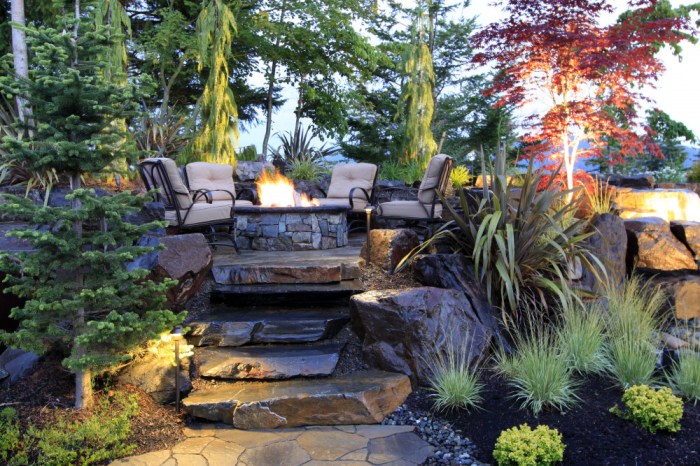
Keeping your landscape fire pit in top condition involves regular cleaning, inspection, and occasional repairs. This ensures its longevity, safety, and continued enjoyment. Neglecting maintenance can lead to damage, inefficiency, and even safety hazards. Proper care will extend the life of your fire pit and maintain its aesthetic appeal.
Cleaning and Maintaining Different Fire Pit Types
Different fire pit materials require slightly different cleaning methods. For example, a stone fire pit will need a different approach than a metal one. Always allow the fire pit to cool completely before attempting any cleaning.
- Stone Fire Pits: Sweep away ashes and debris after each use. For stubborn stains, a stiff brush and mild soapy water can be effective. Avoid harsh chemicals that could damage the stone. Regularly inspect the mortar for cracks or damage.
- Metal Fire Pits: Use a wire brush to remove any rust or burnt-on debris. A metal polish can restore shine. For significant rust, consider using a rust remover followed by a protective coating.
- Concrete Fire Pits: Sweep away ashes and debris. For cleaning, a mild detergent and water solution with a soft brush is usually sufficient. Avoid abrasive cleaners that could scratch the surface.
Fire Pit Inspection and Necessary Repairs
Regular inspections are crucial for identifying potential problems early on. This proactive approach can prevent minor issues from escalating into costly repairs. Focus your inspection on the fire pit’s structure, the fuel source area, and any surrounding elements.
- Structural Integrity: Check for cracks, loose stones or bricks, or any signs of instability. Address any structural issues promptly to prevent collapse.
- Fuel Source Area: Inspect the fire bowl for damage or wear. Ensure the grate (if applicable) is secure and undamaged. Check for any potential blockage that could impede airflow.
- Surrounding Area: Inspect the area around the fire pit for any damage caused by heat or embers. Check for signs of vegetation encroachment that could pose a fire hazard.
Common Fire Pit Problems and Their Solutions
Several common issues can arise with landscape fire pits. Understanding these problems and their solutions will help you maintain a safe and functional fire pit.
- Cracked Fire Bowl: Minor cracks in a stone or concrete fire bowl can sometimes be repaired with specialized mortar. Larger cracks may require professional repair or replacement.
- Rust on Metal Fire Pit: Regular cleaning and application of arrest-preventative coating can help prevent rust. For existing rust, use a wire brush and rust remover, followed by a protective coating.
- Poor Airflow: Ensure that there is adequate space around the fire pit for proper ventilation. Remove any debris or obstructions that could impede airflow.
- Loose Stones or Bricks: Re-mortar loose stones or bricks to ensure the fire pit’s structural integrity. Use a mortar suitable for the material of your fire pit.
Building a Fire Pit (DIY)
Source: com.au
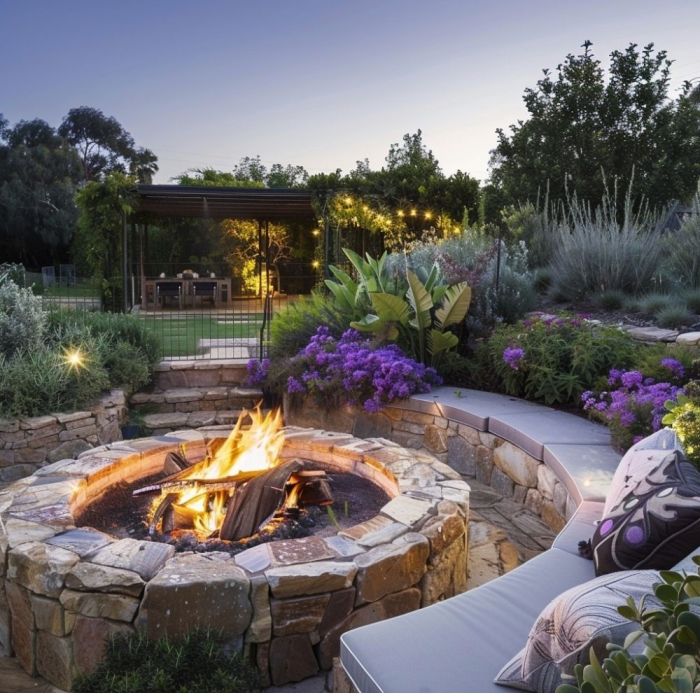
Building your backyard fire pit is a rewarding project that allows for customization and can significantly enhance your outdoor space. This guide Artikels the process of constructing a simple, yet sturdy, brick fire pit, focusing on safety and stability. Remember to always check local regulations before starting any construction.
Materials List and Tools, Landscape fire pits backyard
Creating a successful fire pit starts with having the right materials and tools at hand. This will ensure a smooth and efficient building process. A well-organized approach minimizes delays and potential errors.
- Bricks: Approximately 100-150 firebricks or paving bricks, depending on the desired size and height of your fire pit. Choose bricks specifically designed for outdoor use and high heat resistance.
- Sand: A cubic foot or two of builder’s sand for creating a level base and filling gaps between bricks.
- Mortar Mix: A pre-mixed mortar designed for outdoor use and high temperatures. Alternatively, you can mix your own using cement, sand, and water, following the manufacturer’s instructions.
- Level: A spirit level to ensure the fire pit base and each layer of bricks are perfectly level.
- Shovel: For digging and moving sand and soil.
- Trowel: For applying and smoothing the mortar.
- Measuring Tape: To accurately measure and lay out the fire pit’s dimensions.
- String and Stakes: For outlining the fire pit’s circular or square shape on the ground.
- Gloves and Safety Glasses: Essential for protecting your hands and eyes during construction.
Step-by-Step Construction
Careful planning and execution are key to building a safe and long-lasting fire pit. Following these steps will help guide you through the process.
- Prepare the Base: Dig a circular or square hole about 6-8 inches deep, slightly larger than the desired fire pit diameter. Level the bottom and compact the soil.
- Create a Sand Base: Pour a 2-3 inch layer of sand into the hole and level it carefully using the level. This creates a stable and even base for the bricks.
- Lay the First Course: Mix the mortar according to the manufacturer’s instructions. Begin laying the first course of bricks on the sand base, ensuring they are level and evenly spaced. Use the level frequently.
- Continue Layering: Apply a thin layer of mortar to the top of each brick before placing the next layer. Continue layering until the desired height is reached, maintaining a consistent level throughout the construction.
- Create the Fire Pit Opening: Leave an opening in the center for the fire. The size of the opening depends on your preference, but ensure it’s large enough for your firewood. You might choose to create a slightly raised edge for the opening.
- Allow for Curing: Allow the mortar to cure completely for at least 24-48 hours before using the fire pit. This allows the mortar to set properly and ensures the structural integrity of the fire pit.
Permits and Regulations
Before starting any construction, it’s crucial to check with your local authorities about necessary permits and regulations regarding fire pits. These regulations vary depending on location and may involve factors such as proximity to structures, vegetation, and local fire codes. Failing to obtain necessary permits can result in fines or even the removal of your fire pit. For example, some municipalities require a certain distance between the fire pit and any combustible materials, like fences or trees. Contact your local building department or fire marshal for specific information.
Final Review: Landscape Fire Pits Backyard
Source: landartist.com
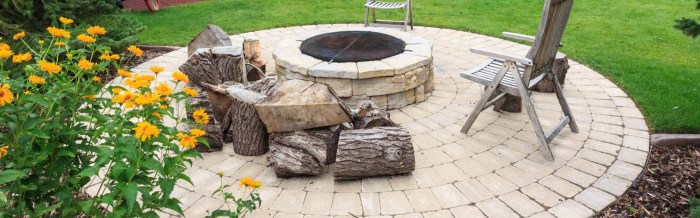
Creating the perfect backyard fire pit experience involves careful planning and consideration, but the rewards are immeasurable. From the warmth of the flames to the delightful ambiance it creates, a well-designed fire pit adds both beauty and functionality to your outdoor space. Remember to prioritize safety, choose materials and fuel that suit your style and needs, and enjoy the countless evenings spent creating memories around your new fire pit. So, gather your friends and family, light the fire, and let the good times roll!