Electric Security Gates for Business A Comprehensive Guide
Electric security gates for business are no longer a luxury; they’re a smart investment. This guide dives into the world of automated gate systems, exploring the various types available, their safety features, integration with access control, and the overall cost and return on investment. We’ll cover everything from swing gates to sliding gates and bollards, helping you choose the perfect solution for your business needs and budget. Get ready to enhance your security and streamline your operations!
We’ll examine the different types of electric gates—swing, sliding, and rising bollards—comparing their strengths and weaknesses in various business contexts. We’ll also delve into essential safety features, compliance regulations, and the integration of access control systems like keypads, card readers, and biometrics. Finally, we’ll explore installation, maintenance, cost considerations, and potential security add-ons to create a robust and effective security system for your business.
Types of Electric Security Gates
Source: co.uk
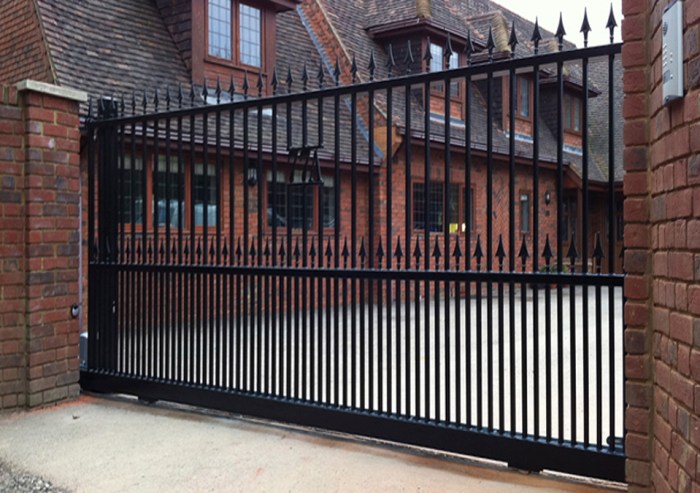
Choosing the right electric security gate for your business is crucial for both security and operational efficiency. Different gate types offer varying levels of security, suitability for different traffic volumes, and space requirements. Let’s explore the main options available.
Swing Gates
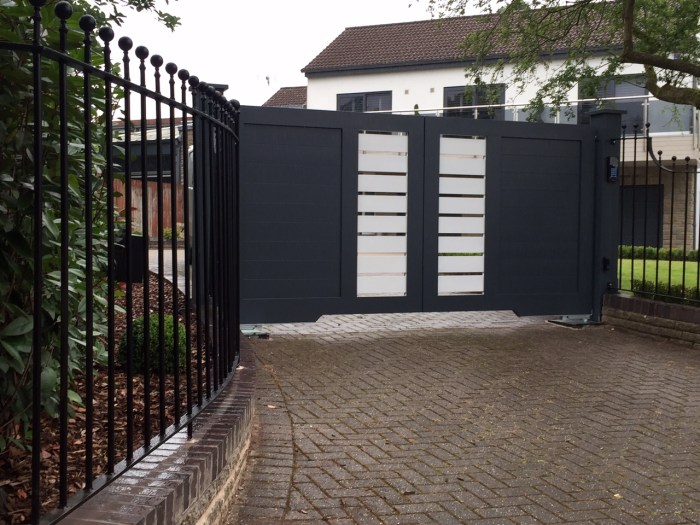
Swing gates, the most traditional type, operate by swinging inward or outward on hinges. They’re often powered by electric motors, which can be either underground or surface-mounted. The mechanism usually involves a geared motor connected to an arm that pushes or pulls the gate. Heavier gates may utilize hydraulic systems for smoother operation. Swing gates are suitable for a wide range of applications, from small businesses with limited traffic to larger facilities with controlled access points. They are particularly effective where space allows for the gate to swing open fully without obstruction.
Sliding Gates
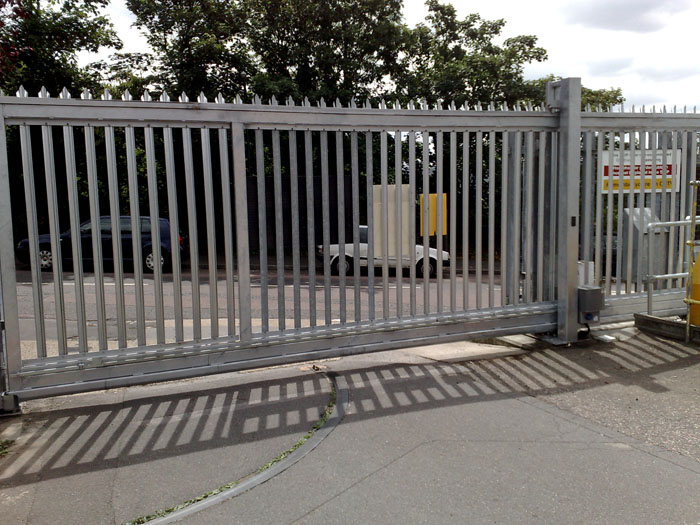
Sliding gates move horizontally along a track, either retracting into a wall or sliding alongside a fence. They’re ideal for situations where space is limited, as they don’t require the swing arc of a swing gate. The operating mechanism typically involves a geared motor connected to a drive wheel or rack and pinion system that moves the gate along the track. Sliding gates can be quite heavy, so robust mechanisms and reliable motors are essential for smooth and reliable operation. Their compact nature makes them popular for businesses with narrow entrances or limited space.
Rising Bollards
Rising bollards are a different approach to security, consisting of retractable posts that rise from the ground to block vehicle access. Unlike swing or sliding gates, they don’t obstruct pedestrian access when retracted. They are electrically powered, typically using a hydraulic or pneumatic system to raise and lower the bollards. Rising bollards offer a high level of security, especially when integrated with other security systems, and are particularly useful for controlling access to high-security areas or temporarily restricting vehicle traffic. Their compact design makes them suitable for various environments, from urban settings to industrial complexes.
Comparison of Electric Security Gate Types
The choice of gate type depends heavily on your specific business needs and the environment. Here’s a comparison table highlighting key features:
| Feature | Swing Gate | Sliding Gate | Rising Bollard |
|---|---|---|---|
| Cost | Medium | Medium to High | High |
| Maintenance | Medium | Medium to High | Medium |
| Security Level | Medium | Medium | High |
| Space Requirements | High | Low | Low |
| Suitable for | For most business types, ample space | Limited space, high traffic | High-security areas, temporary access control |
Safety Features and Regulations
Source: co.uk
Electric security gates, while enhancing security, pose potential safety risks if not properly designed and maintained. Understanding and implementing essential safety features and adhering to relevant regulations are crucial for preventing accidents and ensuring compliance. This section details vital safety aspects and the regulatory landscape surrounding electric security gates.
Essential Safety Features
Several key features contribute to the safe operation of electric security gates. These features minimize the risk of injury or damage, protecting both users and the gate itself. Proper installation and regular maintenance are equally vital for ensuring these features function effectively.
- Emergency Stop Button: A clearly visible and easily accessible emergency stop button is paramount. This button should immediately halt the gate’s movement in any situation. Imagine a scenario where a child runs into the gate’s path; the emergency stop button provides an immediate solution to prevent an accident. The button should be brightly colored (e.g., red) and clearly labeled with the word “STOP” in a prominent font.
- Obstacle Detection System: Advanced gates incorporate sensors that detect obstacles in the gate’s path. These sensors, often infrared or photoelectric, trigger an immediate stop if an object is detected. Visualize a car approaching the gate; the obstacle detection system would halt the gate’s movement, preventing a collision. This system significantly reduces the risk of accidents involving pedestrians or vehicles.
- Anti-Crush Mechanisms: These mechanisms prevent the gate from crushing objects or people caught between the gate leaves or the gate and its posts. Imagine a person’s hand getting caught; the anti-crush mechanism would immediately reverse the gate’s movement. These systems often employ pressure sensors or force-limiting devices that detect resistance and reverse the gate’s operation.
- Safety Edges: Contact sensors along the gate’s edges immediately stop the gate if they encounter an obstacle. These sensors are crucial for preventing injuries from the moving gate. Picture a child reaching out and touching the gate; the safety edge sensors would immediately halt the gate’s motion, preventing injury. These edges are usually incorporated into the gate’s structure.
Safety Regulations and Compliance Standards
Compliance with safety regulations is mandatory for the installation and operation of electric security gates. These regulations vary depending on location but generally cover aspects like gate design, installation, maintenance, and operation. Failure to comply can result in significant penalties.
Specific standards and regulations may be defined at the national, regional, or local level. For example, in the United States, OSHA (Occupational Safety and Health Administration) guidelines often influence safety practices. European Union directives also specify stringent safety requirements for machinery, including automatic gates. It’s crucial to research and comply with all applicable regulations in your specific jurisdiction. Consult relevant authorities and professional installers to ensure complete adherence to local regulations.
Safety Feature Illustrations
The following descriptions illustrate the visual aspects of the safety features.
- Emergency Stop Button Illustration: Imagine a large, bright red rectangular button, clearly marked with the word “STOP” in bold white lettering. The button is mounted on a sturdy, easily accessible panel, positioned away from the gate’s moving parts. It is elevated slightly for easy access and features a slightly recessed surface to prevent accidental activation.
- Obstacle Detection Sensor Illustration: Picture small, unobtrusive infrared sensors mounted discreetly along the gate’s frame, near the ground. These sensors are typically housed in small, black rectangular casings. They are positioned to effectively scan the area in front of the gate, detecting any objects that may obstruct its path.
- Anti-Crush Mechanism Illustration: Visualize a system of pressure sensors embedded within the gate’s moving parts, or along the gate posts. These sensors are often concealed within the gate’s structure, but their presence is indicated by small, almost invisible markings on the gate itself.
- Safety Edge Illustration: Imagine a thin, flexible strip of material, containing pressure sensors, running along the entire length of the gate’s moving edges. This strip is typically black or dark gray and nearly flush with the gate’s surface. Its presence is subtle, yet crucial for safety.
Access Control Systems Integration

Source: co.uk
Integrating your electric security gates with a robust access control system is crucial for enhancing security and streamlining operations. The right system will allow you to manage who enters your property when they enter, and how they gain access, all while improving overall efficiency. Choosing the appropriate system depends on your specific security needs, budget, and the level of user convenience desired.
Electric security gates can be integrated with a variety of access control methods, each offering different levels of security, cost-effectiveness, and user experience. Let’s explore the common options and compare their features.
Keypad Access
Keypads provide a simple and relatively inexpensive way to control gate access. Users enter a unique code to unlock the gate. Security is moderate, depending on the keypad’s features, such as the ability to change codes regularly and limit the number of attempts before locking. Keypads are easy to use and require minimal training, making them a popular choice for smaller businesses or areas with limited security needs. However, codes can be easily shared or observed, making this system vulnerable to unauthorized access.
Card Reader Access
Card readers offer a more secure alternative to keypads. Access is granted by swiping or tapping a proximity card or fob. These systems can be integrated with databases to track who accesses the gate and when. Different card types (e.g., magnetic stripe, smart cards) offer varying levels of security. Card readers provide a good balance between security, cost, and user convenience. Lost or stolen cards can be easily deactivated, minimizing the risk of unauthorized access.
Biometric Scanner Access
Biometric scanners, using fingerprint, facial recognition, or iris scanning technology, offer the highest level of security. These systems identify individuals based on their unique biological characteristics, making them virtually impossible to replicate. However, they are significantly more expensive than keypads or card readers and may require more complex installation and maintenance. While highly secure, they can also raise privacy concerns depending on data storage and usage practices.
Remote Control Systems
Remote control systems allow users to open and close the gate from a distance, using a remote control device. This is convenient for users arriving at the gate in vehicles, but the security level is relatively low, as the remote controls can be lost or stolen. Security can be improved by incorporating additional access control measures, such as a PIN code required for remote activation. Remote controls are best suited as a supplementary access method rather than a primary one.
Comparison of Access Control Methods, Electric security gates for business
The following table summarizes the key differences between the access control methods discussed above:
| Access Control Method | Security Level | Cost-Effectiveness | User Convenience |
|---|---|---|---|
| Keypad | Moderate | Low | High |
| Card Reader | High | Medium | Medium |
| Biometric Scanner | Very High | High | Medium |
| Remote Control | Low (unless combined with other methods) | Low | High |
Installation and Maintenance

Source: atss.in
Getting your electric security gates up and running smoothly involves careful planning and execution during installation, followed by a consistent maintenance schedule to ensure long-term reliability and safety. This section details both processes, providing practical guidance for a successful implementation.
Proper installation is crucial for the safe and effective operation of your electric security gates. Neglecting any step can compromise security, functionality, and even create safety hazards. Regular maintenance, on the other hand, prevents premature wear and tear, extending the lifespan of your gates and minimizing costly repairs.
Site Preparation
Before any gate installation begins, thorough site preparation is essential. This involves assessing the area for obstructions, ensuring adequate space for gate movement, and verifying the location of power sources and control system components. Consider the gate’s opening and closing arc, ensuring sufficient clearance for vehicles and pedestrians. Mark out the gate’s position accurately, accounting for the gate’s dimensions and any necessary foundations. This careful planning minimizes potential problems during installation and ensures smooth operation. For example, you’ll need to consider the ground conditions – rocky terrain might require additional excavation and foundation work, while soft soil might need reinforced foundations to prevent settling.
Gate Installation
The gate installation process typically involves several steps. First, install the gate posts, ensuring they are securely embedded in the ground and plumb (perfectly vertical). Next, carefully mount the gate onto the posts, ensuring proper alignment and smooth operation. This may involve using hinges, rollers, or other specialized hardware, depending on the gate’s design. After the gate is mounted, connect the electric motor and other components, following the manufacturer’s instructions precisely. Testing the gate’s movement at this stage is crucial to identify and correct any misalignments or operational issues before proceeding. Finally, connect the control system and safety features. Thorough testing is essential after each step to guarantee proper functioning.
Connection to Power and Control Systems
Connecting the electric gate to power and control systems requires careful adherence to electrical safety regulations. Ensure that all wiring is correctly installed and properly grounded to prevent electrical hazards. Use appropriately sized cables and connectors to handle the power requirements of the motor and control system. Connect the control system to the gate motor and any additional accessories, such as sensors and safety devices. After making the connections, test the system thoroughly to ensure it is functioning correctly before finalizing the installation. Incorrect wiring can lead to malfunction and potential safety risks. Consult a qualified electrician if you are unsure about any aspect of the electrical work.
Regular Maintenance Procedures
Regular maintenance is vital for ensuring the optimal performance and longevity of your electric security gates. A proactive approach can prevent costly repairs and downtime. This involves routine inspections, lubrication of moving parts, and prompt attention to any identified issues. Ignoring minor problems can quickly escalate into major malfunctions.
Routine Maintenance Checklist
The following checklist of Artikels essential maintenance tasks, their frequency, and potential issues to watch out for:
- Task: Inspect gate for damage (hinges, rollers, motor, etc.)
Frequency: Monthly
Potential Issues: Bent or broken parts, loose screws, rust, damage to the gate surface. - Task: Lubricate hinges, rollers, and other moving parts.
Frequency: Monthly
Potential Issues: Squeaking noises, stiff movement, increased wear and tear. - Task: Check motor operation and electrical connections.
Frequency: Monthly
Potential Issues: Overheating, unusual noises, intermittent operation, faulty wiring. - Task: Test safety features (photocells, pressure sensors, etc.).
Frequency: Weekly
Potential Issues: Malfunctioning sensors, inaccurate operation, safety hazards. - Task: Inspect and clean the gate surface.
Frequency: Quarterly
Potential Issues: Build-up of dirt and debris affecting operation or appearance. - Task: Check the gate’s alignment and adjust if necessary.
Frequency: Annually
Potential Issues: Binding, uneven operation, premature wear and tear.
Cost Considerations and ROI
Source: dreamstime.com
Investing in electric security gates is a significant decision for any business. The initial cost is just one factor to consider; ongoing maintenance and potential returns need careful evaluation to determine the overall value proposition. Understanding the various cost components and how to calculate the return on investment (ROI) is crucial for making an informed choice.
Factors Influencing Electric Gate Costs
Several factors significantly impact the total cost of an electric security gate system. These costs can vary widely depending on the specific needs and choices made.
| Factor | Description | Cost Impact | Example |
|---|---|---|---|
| Gate Type | Swing gates, sliding gates, cantilever gates, etc., each have different material and construction costs. | High | A simple swing gate will be cheaper than a complex cantilever gate. |
| Gate Material | Steel, aluminum, wrought iron – material choice affects both initial cost and longevity. | High | Wrought iron gates are typically more expensive than steel gates. |
| Automation System | The type of motor, control system, and accessories (e.g., keypad, remote controls) all contribute to cost. | High | A sophisticated system with multiple access points will be more expensive. |
| Installation Complexity | Site conditions, existing infrastructure, and the need for additional groundwork influence installation costs. | Medium to High | Installing a gate on uneven terrain will cost more than a flat, level installation. |
| Features | Added features like intercom systems, security cameras, and lighting increase the overall price. | Medium | Adding a video intercom system will increase the overall cost. |
| Maintenance | Regular servicing, repairs, and part replacements are ongoing expenses. | Low to Medium | Annual maintenance contracts can help manage these costs. |
Calculating Return on Investment (ROI)
Calculating the ROI for electric security gates involves comparing the total cost (initial investment plus ongoing maintenance) against the benefits received. Key benefits include improved security, reduced labor costs (e.g., reduced need for security personnel), and increased operational efficiency.
ROI = (Total Benefits – Total Costs) / Total Costs * 100%
For example, consider a business that currently employs a security guard at $40,000 annually. An electric gate system costing $15,000, with annual maintenance of $500, could eliminate the need for the guard. Over five years, the gate system would cost $17,500 ($15,000 + 5*$500). The savings would be $200,000 ($40,000/year * 5 years). The ROI over five years would be:
ROI = ($200,000 – $17,500) / $17,500 * 100% ≈ 1043%
This is a simplified example. A more comprehensive ROI calculation would consider factors like increased property value, reduced insurance premiums (due to improved security), and potential savings from reduced theft or vandalism.
Sample Cost Breakdown
The following table provides a sample cost breakdown for different electric gate systems and scenarios. These are estimates and actual costs may vary based on location, supplier, and specific requirements.
| Scenario | Gate Type | Installation Cost | Annual Maintenance |
|---|---|---|---|
| Small Business (Swing Gate) | Basic Steel Swing Gate | $5,000 – $8,000 | $200 – $400 |
| Medium Business (Sliding Gate) | Aluminum Sliding Gate with Basic Automation | $10,000 – $15,000 | $400 – $600 |
| Large Business (Cantilever Gate) | Heavy-Duty Cantilever Gate with Advanced Automation and Access Control | $25,000 – $40,000 | $800 – $1200 |
Security Enhancements and Add-ons
Source: everlastgates.com
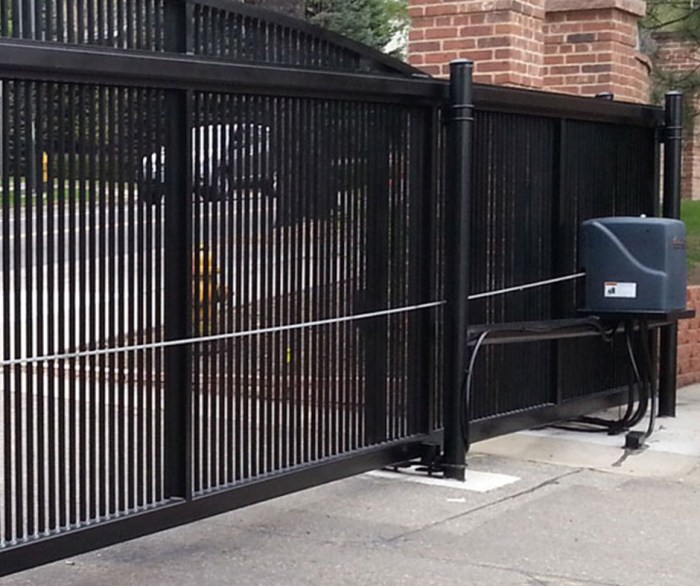
Electric security gates offer a strong first line of defense, but integrating additional security measures significantly boosts your business’s protection. Adding layers of security creates a more robust system, making unauthorized access far more difficult and increasing the chances of detection and apprehension. This section explores several key enhancements that can be seamlessly incorporated into your electric gate system.
Adding CCTV cameras, alarm systems, and perimeter sensors to your electric gate system creates a comprehensive security network. These additions provide multiple layers of protection, significantly reducing vulnerabilities and enhancing the overall security posture of your business premises. The combined functionality of these systems allows for proactive monitoring, immediate alerts, and detailed recording of events, providing valuable evidence in case of an incident.
CCTV Camera Integration
Integrating CCTV cameras with your electric gate system provides real-time visual monitoring of the gate area. Cameras can be strategically positioned to capture clear footage of anyone approaching or attempting to breach the gate. High-resolution cameras with night vision capabilities ensure clear visibility regardless of lighting conditions. The recorded footage serves as valuable evidence in case of an attempted intrusion or other security incidents. For example, a business might place cameras on both sides of the gate, one facing outward to monitor approaching vehicles and pedestrians, and another facing inward to monitor activity within the secured area after the gate opens. Video analytics can also be added to automatically detect suspicious activity, such as loitering or attempts to tamper with the gate.
Alarm System Integration
Linking your electric gate system to a central alarm system provides immediate notification of any unauthorized access attempts. Sensors on the gate itself can detect forced entry or tampering, triggering an alarm that alerts security personnel and potentially the authorities. This immediate alert allows for rapid response, potentially deterring intruders and minimizing potential damage or loss. For example, a triggered alarm might send a notification to a security company’s monitoring center, allowing them to dispatch security personnel to the site. The system can also be integrated with other security sensors within the building, providing a comprehensive alert system for the entire premises.
Perimeter Sensor Integration
Perimeter sensors, such as motion detectors or infrared beams, can be deployed around the gate area to detect unauthorized movement. These sensors create an invisible barrier, triggering an alarm if someone attempts to bypass the gate. This adds another layer of detection, enhancing the overall security of the perimeter. Different types of sensors can be used depending on the specific needs of the location, such as buried cable sensors for detecting people trying to climb under the gate, or microwave sensors for detecting movement in a wider area. The data from these sensors can be integrated into the overall security system, providing a comprehensive picture of activity around the gate.
System Diagram: Integrated Security System
The following describes a system diagram illustrating the integration of an electric security gate with CCTV cameras, an alarm system, and perimeter sensors.
Imagine a diagram showing the electric gate as the central element. On either side of the gate are strategically placed CCTV cameras, connected via cabling to a central Network Video Recorder (NVR). These cameras provide visual surveillance of the gate area. The gate itself has embedded sensors that detect forced entry or tampering. These sensors are wired to a central alarm control panel. Around the perimeter of the gate area, several motion detectors or infrared beams are installed. These perimeter sensors also connect to the alarm control panel. The alarm panel is connected to a monitoring system, which could be on-site or remotely located, providing real-time alerts and access to recorded footage. All components communicate through a wired or wireless network, allowing for centralized monitoring and control. This integrated system provides multiple layers of security, enhancing the overall protection of the business premises. The system’s central control unit logs all events, providing a detailed audit trail for security and regulatory compliance.
Final Review: Electric Security Gates For Business
Source: co.uk
Investing in electric security gates for your business is a decision that impacts security, efficiency, and overall operational costs. By carefully considering the different gate types, access control options, safety features, and maintenance requirements, you can make an informed choice that best suits your needs. Remember to factor in the long-term ROI, including reduced labor costs and enhanced security. With the right system in place, you can create a safer, more secure, and more efficient environment for your business, fostering peace of mind and protecting your valuable assets.


