Metal Crowd Control Barricades A Comprehensive Guide
Metal crowd control barricades are essential for managing large gatherings, ensuring safety, and directing pedestrian flow. From massive concerts to smaller community events, these robust structures play a crucial role in preventing accidents and maintaining order. This guide dives into the various types of metal barricades, their applications, safety considerations, and the overall costs involved, equipping you with the knowledge to make informed decisions for your next event.
We’ll explore different barricade designs, comparing their strengths and weaknesses, and detailing the best practices for deployment. We’ll also cover important safety regulations, maintenance procedures, and the environmental impact of different manufacturing processes. By the end, you’ll have a solid understanding of how to choose and utilize metal crowd control barricades effectively.
Types of Metal Crowd Control Barricades
Source: made-in-china.com
Choosing the right metal crowd control barricade depends heavily on the specific event and the anticipated crowd size and behavior. Different barricades offer varying levels of security, portability, and cost-effectiveness. Understanding the strengths and weaknesses of each type is crucial for effective crowd management.
Metal Crowd Control Barricade Types
Several types of metal crowd control barricades are commonly used, each with its design and features. These differences impact their suitability for different scenarios.
Standard Steel Barricades
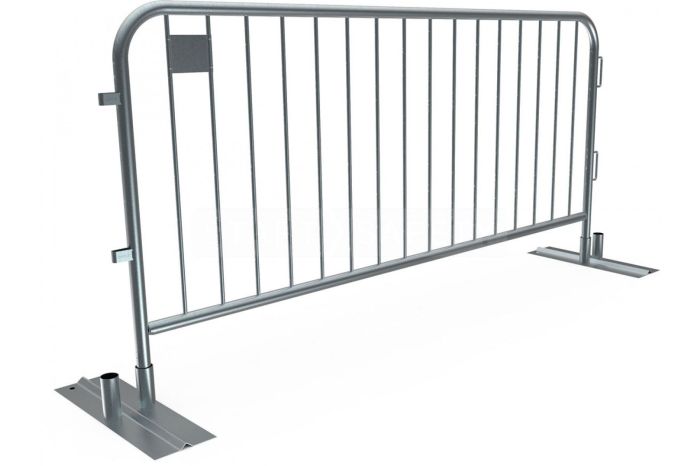
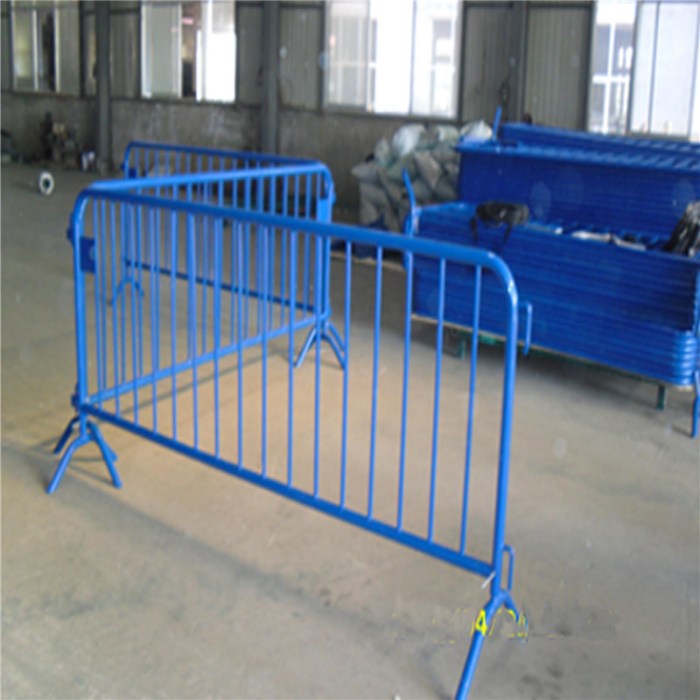
These are typically constructed from heavy-gauge steel tubing, often with a powder-coated finish for durability and weather resistance. They are usually quite heavy and are designed for stability and impact resistance. While not easily portable, their robust construction makes them suitable for large-scale events and high-risk situations. Features often include feet to prevent slipping and the possibility of connecting multiple units for extended barrier lines. They’re not easily adjusted in height.
Lightweight Steel Barricades
These barricades use lighter-gauge steel or aluminum alloys, resulting in reduced weight compared to standard steel barricades. This makes them more portable and easier to set up and take down. However, their impact resistance is generally lower than that of standard steel barricades. They might feature collapsible designs for easier storage and transport. Height adjustability is often not a feature.
Mobile Steel Barricades
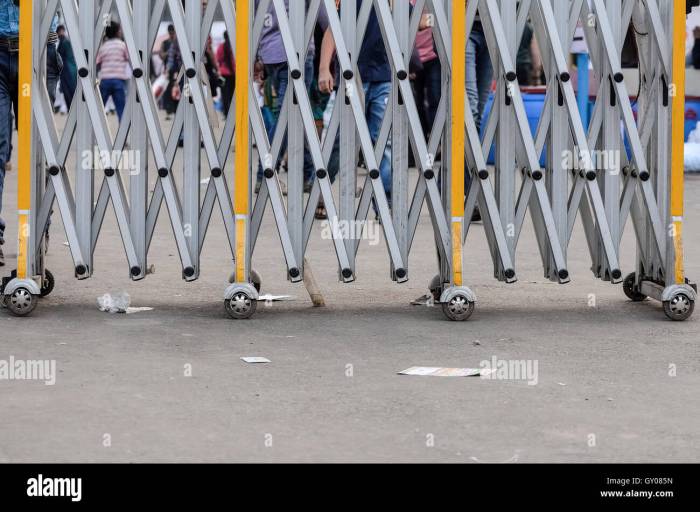
These are designed for easy movement and repositioning. They often incorporate wheels or casters for maneuverability. While not as strong as fixed steel barricades, their mobility makes them ideal for situations requiring frequent adjustments to crowd flow. These are often lighter in weight than standard steel barricades but still offer reasonable impact resistance.
Interlocking Steel Barricades
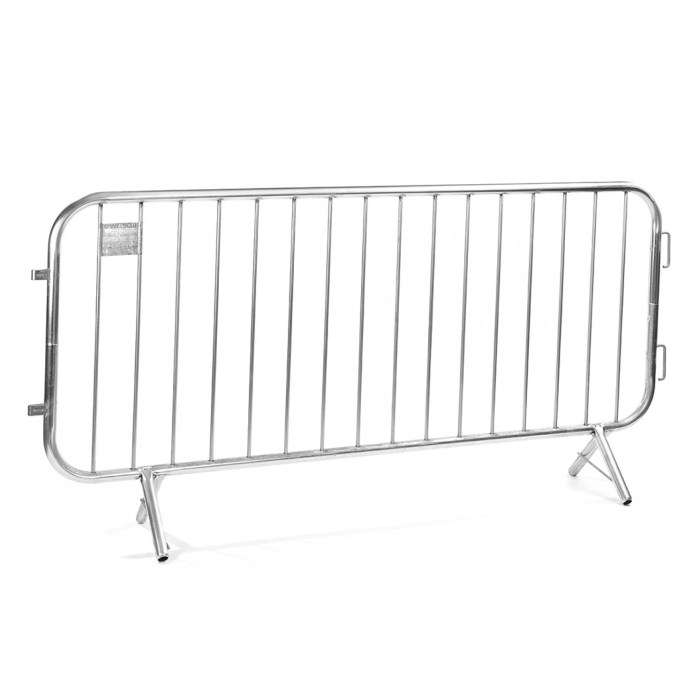
These are designed with interlocking mechanisms that allow multiple units to be quickly and easily connected to form long, continuous barriers. This feature is particularly useful for large-scale events where rapid deployment and configuration are crucial. They are generally heavier than lightweight steel barricades but lighter than standard steel barricades. The interlocking mechanism adds to their stability and strength.
| Material | Weight (approx.) | Height (approx.) | Key Features |
|---|---|---|---|
| Heavy-Gauge Steel | 50-75 lbs | 42-48 inches | High impact resistance, durable, stable |
| Lightweight Steel/Aluminum Alloy | 20-35 lbs | 36-42 inches | Portable, easy setup, collapsible (some models) |
| Steel with Casters | 30-45 lbs | 42-48 inches | Mobile, easy repositioning |
| Interlocking Steel | 35-50 lbs | 42-48 inches | Quick deployment, continuous barrier lines |
Applications and Use Cases
Source: startsafety.com
Metal crowd control barricades are essential for managing large gatherings and ensuring public safety across a wide range of events and venues. Their robust construction and versatility make them adaptable to various situations, from concerts and festivals to sporting events and political rallies. Understanding their proper application is crucial for maximizing their effectiveness and minimizing safety risks.
Event organizers and venue managers must carefully consider the specific needs of each event when deploying these barricades, adhering to local regulations and best practices to ensure a safe and controlled environment for attendees.
Event and Venue Examples
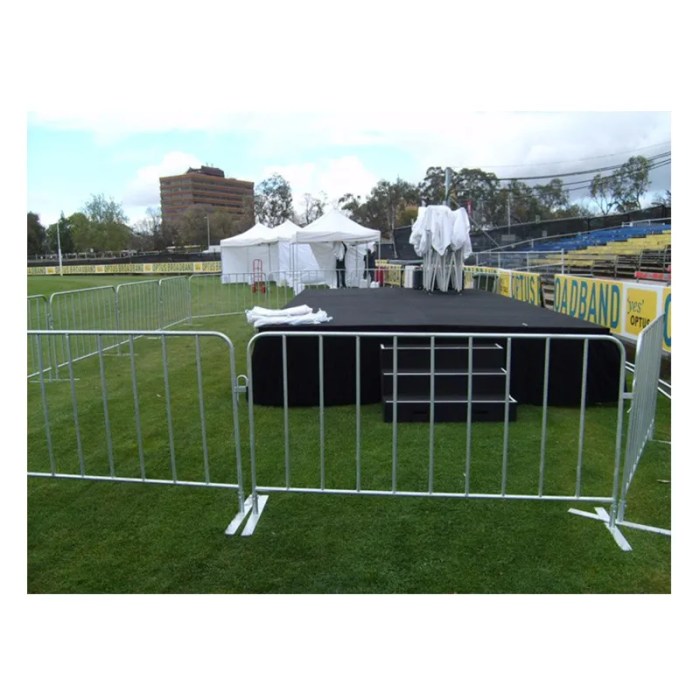
Metal crowd control barricades find widespread use in numerous settings. Concerts and music festivals frequently utilize them to channel pedestrian flow, separate general admission areas from VIP sections, and create safe zones around stages. Sporting events, particularly those with large, enthusiastic crowds, rely on barricades to manage queues, delineate seating areas, and control access to the field or playing area. Political rallies and protests often employ barricades to separate protesters from onlookers and to establish secure perimeters for speakers and VIPs. Furthermore, parades, public gatherings, and even large-scale construction projects may utilize these barricades for crowd management and safety.
Safety Considerations and Regulatory Requirements
Deploying metal crowd control barricades requires careful consideration of several safety aspects and regulatory compliance. Local fire codes and building codes often dictate the type, placement, and quantity of barricades permitted in a given venue. For example, ensuring sufficient space for emergency vehicle access and egress is paramount. Clear signage, visible even in low-light conditions, is essential to guide attendees and emergency personnel. Regular inspections of the barricades for damage or defects are necessary to prevent accidents. In high-risk events like protests, security personnel may need specialized training on barricade deployment and crowd management techniques. The weight and stability of the barricades must also be assessed to ensure they can withstand the pressure of a large crowd.
Best Practices for Barricade Positioning and Arrangement
Effective crowd management hinges on the strategic placement and arrangement of metal crowd control barricades. Creating clear pathways and well-defined zones is crucial. Barricades should be positioned to guide pedestrian flow smoothly, preventing bottlenecks and congestion. Strategic spacing allows for efficient crowd dispersal and facilitates the movement of emergency personnel. Intersections and choke points require extra attention, often necessitating a more robust barricade configuration. The use of connecting components allows for the creation of flexible and adaptable barrier systems, allowing for adjustments based on crowd dynamics. Furthermore, the height and weight of the barricades should be chosen based on the anticipated crowd size and behavior.
Diagram of Barricade Placement for an Outdoor Concert
                                    Stage
                                      |
                                      |
  ----------------------------------------------------
  |                                                  |
  |
Entrance/Queue Control Area
| | (Heavy-duty barricades, controlled entry) | —————————————————- | | |
General Admission Area
| | (Standard barricades, spaced for flow) | —————————————————- | | |
VIP/Reserved Seating Area
| | (Heavier barricades, tighter spacing) | —————————————————- | | |
Emergency Access/Egress Points
| | (Wide gaps with clearly marked pathways) | —————————————————-
This diagram illustrates a typical outdoor concert setup. The placement and type of barricade vary according to the area’s function. The entrance features heavy-duty barricades for controlled entry, while the general admission area uses standard barricades spaced for crowd flow. The VIP section uses heavier barricades with tighter spacing. Finally, marked emergency access and egress points are essential for safety.
Safety and Durability
Source: metalfencetech.com
Metal crowd control barricades, when properly manufactured, installed, and maintained, offer a robust and reliable solution for managing crowds. However, their effectiveness and safety depend heavily on adhering to industry standards and best practices. Neglecting these can lead to serious consequences, including injuries and property damage. This section explores the crucial aspects of safety and durability in these barricades.
Industry standards for metal crowd control barricades often focus on materials, construction, and testing procedures. These standards ensure that the barricades can withstand significant impact and pressure without failure. Certifications, such as those from relevant testing bodies, verify that a given barricade meets or exceeds these standards. Look for certifications that indicate compliance with relevant safety regulations and structural integrity testing. Specific certifications vary by region and governing bodies, so it’s crucial to check with your local authorities for applicable standards.
Potential Hazards of Improper Use and Maintenance, Metal Crowd Control Barricades
Improper use or inadequate maintenance of metal crowd control barricades poses several significant hazards. These include, but are not limited to, structural failure under stress, causing injuries to personnel or damage to property. Corrosion from neglect can weaken the metal, making it prone to collapse. Misuse, such as using the barricades as ramps or leverage points, can also lead to structural damage and compromise safety. Furthermore, improperly stored barricades can become tripping hazards or projectiles in high-wind conditions.
Regular Inspection and Maintenance Procedures
Regular inspection and maintenance are paramount for ensuring the long-term safety and effectiveness of metal crowd control barricades. A proactive approach significantly reduces the risk of accidents and extends the lifespan of the equipment. A comprehensive maintenance program should include regular visual inspections, as well as more in-depth checks performed by qualified personnel. This involves checking for signs of damage, corrosion, or wear and tear, and taking prompt action to address any identified issues. Prompt repair or replacement of damaged components prevents the escalation of minor problems into major safety hazards.
Barricade Inspection Checklist
A regular inspection should follow a structured checklist to ensure thoroughness and consistency. This systematic approach helps identify potential problems before they escalate into safety concerns.
- Visual Inspection: Check for any visible signs of damage, such as dents, bends, cracks, or rust. Pay close attention to welds and joints.
- Stability Check: Test the stability of the barricade by applying gentle pressure to different points. Ensure it remains firmly planted and doesn’t wobble excessively.
- Fastener Check: Inspect all bolts, screws, and other fasteners to ensure they are tight and secure. Replace any damaged or missing fasteners.
- Surface Condition: Check for any signs of corrosion, pitting, or significant wear on the metal surface. Address any corrosion promptly to prevent further deterioration.
- Footplate Condition: Examine the footplates (if applicable) for damage or wear. Ensure they provide a stable base for the barricade.
- Coupling Mechanisms: If the barricades use interlocking mechanisms, check for proper function and secure connections. Ensure smooth operation and secure locking.
- Storage Conditions: If not in use, ensure the barricades are stored properly to prevent damage from weather or accidental impact. Proper storage protects against corrosion and damage.
- Documentation: Maintain a record of all inspections, including dates, findings, and any corrective actions taken. Detailed records aid in tracking maintenance and identifying trends.
Manufacturing and Materials
Source: alamy.com
Crowd control barricades need to be tough, durable, and able to withstand considerable force. The choice of metal and the manufacturing process significantly impact the barricade’s performance, longevity, and environmental footprint. Let’s delve into the specifics of how these robust structures are made.
The manufacturing process begins with sourcing raw materials – typically metal sheets or tubes. These are then cut, shaped, and welded according to the barricade’s design. Finishing processes like powder coating or galvanizing add protection against corrosion and enhance the barricade’s aesthetic appeal. The entire process requires precision and adherence to safety standards to ensure a high-quality, reliable product.
Metal Selection and Properties
The selection of metal for crowd control barricades is crucial, as it directly influences the barricade’s strength, weight, cost, and lifespan. Several metals possess properties making them suitable for this demanding application.
- Steel: Steel is a popular choice due to its high strength-to-weight ratio and relatively low cost. It’s readily available and easily weldable, making it a cost-effective option for mass production. However, steel is susceptible to rust unless treated with protective coatings like galvanizing or powder coating. Steel barricades can be quite heavy, which can affect portability.
- Aluminum: Aluminum offers excellent corrosion resistance and is significantly lighter than steel. This makes it ideal for portable barricades that need to be easily moved and stored. However, aluminum is less strong than steel, meaning thicker gauge aluminum might be needed to achieve comparable strength, potentially offsetting the weight advantage. Aluminum is also more expensive than steel.
- Stainless Steel: Stainless steel combines the strength of steel with superior corrosion resistance. This makes it a durable and long-lasting choice, particularly suitable for outdoor use or areas prone to harsh weather conditions. However, stainless steel is the most expensive of the three options, significantly impacting the overall cost of the barricade.
Manufacturing Processes
The manufacturing of metal crowd control barricades typically involves several key steps:
- Raw Material Sourcing: Steel, aluminum, or stainless steel sheets or tubes are procured from reputable suppliers.
- Cutting and Shaping: Using methods like laser cutting, water jet cutting, or shearing, the metal is cut into the desired shapes and sizes.
- Welding: Various welding techniques, such as MIG (Metal Inert Gas) or TIG (Tungsten Inert Gas) welding, are used to join the metal components together.
- Finishing: Surface treatments such as powder coating (for steel and aluminum) or passivation (for stainless steel) protect against corrosion and enhance durability.
- Assembly: Finally, the completed barricade sections are assembled, often including the addition of features like feet, handles, or connecting mechanisms.
Environmental Impact
The environmental impact of barricade manufacturing is influenced by both the metal choice and the manufacturing process. Steel production, for example, has a significant carbon footprint due to the energy-intensive processes involved. Aluminum production requires substantial energy but has a lower carbon footprint per unit weight compared to steel. Stainless steel production also has a relatively high carbon footprint. The use of recycled materials in the manufacturing process can help reduce the environmental impact. Furthermore, employing energy-efficient manufacturing techniques and minimizing waste generation are crucial for environmental sustainability.
Cost and Maintenance
Source: number8events.com
Metal crowd control barricades represent a significant investment, but their longevity and effectiveness depend heavily on proper management of costs and maintenance. Understanding the various cost factors and implementing effective maintenance strategies are crucial for maximizing return on investment and ensuring public safety. This section will break down the costs associated with these barricades, offer strategies for cost reduction, and compare the long-term cost-effectiveness of different barricade types.
Purchase Costs
The initial purchase price varies considerably depending on several factors: the type of barricade (steel, aluminum, plastic-coated steel), its height and weight, the quantity purchased, and the supplier. Generally, heavier-duty steel barricades command a higher upfront cost than lighter aluminum options. Bulk purchasing often results in significant discounts. For example, purchasing 100 heavy-duty steel barricades might cost $100 per unit, totaling $10,000, while purchasing 10 might cost $150 per unit, totaling $1,500. The difference highlights the importance of considering long-term needs when making an initial purchase. Transportation costs also add to the initial expense.
Transportation Costs
Transporting barricades, especially large orders, can be expensive. Costs are influenced by distance, the type of transport (truck, van), and any required special handling or permits. For instance, transporting 100 steel barricades across a state might cost $1,000, while local delivery of a smaller order might cost only $100. Careful planning of delivery logistics is necessary to minimize these expenses.
Maintenance Costs
Ongoing maintenance is crucial for extending the lifespan of the barricades and ensuring their continued safety. This includes regular inspections for damage (dents, rust, loose bolts), repainting or powder-coating to prevent corrosion, and occasional repairs or part replacements. Ignoring maintenance can lead to costly repairs or premature replacement. For example, neglecting rust on a steel barricade can lead to structural weakening, requiring expensive repairs or even complete replacement, costing hundreds of dollars compared to the cost of a few dollars worth of paint.
Strategies for Minimizing Maintenance Costs
Several strategies can help minimize maintenance costs and extend the lifespan of the barricades. Regular inspections and prompt repairs of minor damage prevent larger problems from developing. Proper storage (protected from the elements) also significantly reduces corrosion and wear. Investing in high-quality, durable barricades, even if more expensive initially, often proves more cost-effective in the long run due to reduced maintenance and replacement needs. Using protective coatings like powder coating further increases the longevity of the barricades.
Long-Term Cost-Effectiveness Comparison
The long-term cost-effectiveness of different barricade types depends on a number of factors, including initial purchase price, maintenance costs, and lifespan. Heavier, more durable barricades, while more expensive initially, may require less frequent repairs and replacements, resulting in lower overall costs over their lifespan. Lighter, less expensive barricades might need more frequent maintenance and replacement, potentially exceeding the initial cost savings over time.
Sample Cost Analysis: Five-Year Comparison
The following table illustrates a sample cost analysis comparing two different barricade types over five years:
| Cost Item | Heavy-Duty Steel Barricades (10 units) | Lightweight Aluminum Barricades (10 units) |
|---|---|---|
| Initial Purchase Cost | $1500 | $1000 |
| Annual Maintenance (paint, repairs) | $100 | $200 |
| Replacement Cost (estimated over 5 years) | $0 | $300 |
| Total Cost of Ownership (5 years) | $2000 | $1500 |
Closing Summary

Source: trafficsw.com
Ultimately, selecting the right metal crowd control barricade involves careful consideration of several factors, including the event’s scale, anticipated crowd size, and budget. Understanding the various types available, their strengths and limitations, and the importance of proper maintenance will ensure both safety and efficiency. Remember, a well-planned and executed barricade strategy is crucial for a successful and safe event. So, plan and choose wisely!