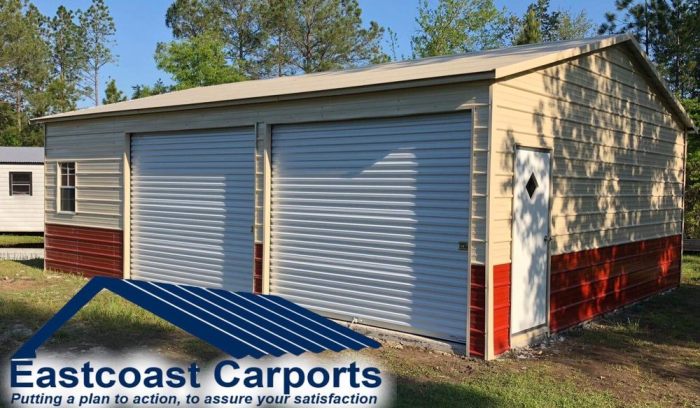
The Carport Your Guide to Design and Construction
The carport, a versatile and often overlooked structure, offers a practical alternative to the traditional garage. From simple shelters to architecturally integrated designs, carports protect from the elements while offering flexibility in design and functionality. This guide explores the various aspects of carport design, construction, and maintenance, helping you make informed decisions based on your needs and budget.
We’ll cover everything from choosing the right materials and style to understanding the costs involved and ensuring the safety and security of your investment. Whether you’re looking for a simple solution for vehicle storage or a more elaborate structure to enhance your property, this comprehensive guide will provide the information you need to build or buy the perfect carport.
Carport Structures and Designs

Source: jasaarsitekjakarta.com
Carports offer practical and aesthetically pleasing solutions for vehicle protection. Choosing the right carport depends on your needs, budget, and the architectural style of your home. This section explores various carport designs, materials, and architectural styles to help you make an informed decision.
Carport Design Types
Different carport designs cater to various needs and spaces. The choice between attached, detached, or freestanding structures significantly impacts the overall look and functionality.
| Carport Type | Description | Advantages | Disadvantages |
|---|---|---|---|
| Attached | Connected directly to the house. | Provides convenient access, shelter from the elements, and potential cost savings by sharing a wall. | May require structural modifications to the house, and less flexibility in placement. |
| Detached | A separate structure is located in the yard. | Greater flexibility in placement, can be designed independently of the house’s style. | Requires more space, potentially higher cost due to separate foundation. |
| Freestanding | Independent structure, often with a simple foundation or posts. | Highly versatile, easy to relocate, and cost-effective for simple designs. | Offers less protection from severe weather compared to attached or enclosed structures. |
| Canopy | A simple, often temporary, structure providing basic overhead protection. | Inexpensive, easy to install, and ideal for temporary or seasonal use. | Minimal protection from the elements usually lacks side protection. |
Common Carport Construction Materials
The selection of materials significantly influences the carport’s durability, aesthetic appeal, and cost.
Several materials are commonly used in carport construction, each offering unique benefits and drawbacks.
- Wood: Offers a natural aesthetic, relatively easy to work with, but requires regular maintenance to prevent rot and insect damage.
- Metal: Durable, low-maintenance, and resistant to rot and insects; however, it can be more expensive and may require professional installation for complex designs.
- Concrete: Provides excellent strength and durability, but can be expensive and requires specialized skills for construction.
- Fabric (Canopy): Lightweight, inexpensive, and easy to install; however, it offers limited protection and is less durable than other materials.
- PVC: Durable, weather-resistant, and relatively low-maintenance; a good middle ground between metal and wood in terms of cost and durability.
Architectural Styles and Carport Designs
The architectural style of your carport should complement your home’s design for a cohesive and visually appealing look.
Matching the carport’s style to the house enhances curb appeal.
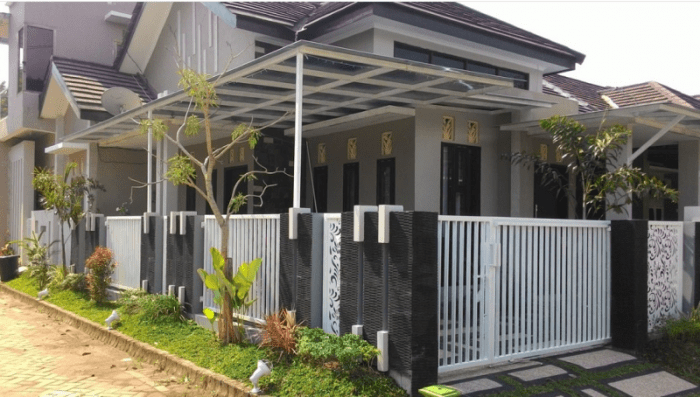
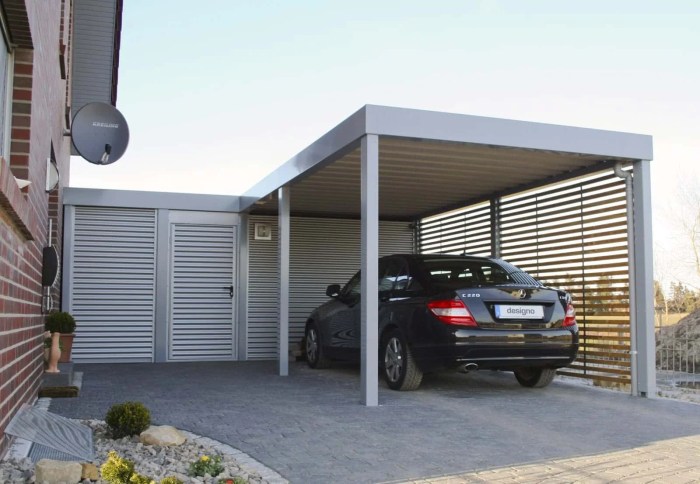
- Modern Minimalist Home: A sleek, metal carport with clean lines and a flat roof would be suitable.
- Traditional Home: A wooden carport with a gabled roof and decorative trim would complement the style.
- Rustic Home: A wooden carport with a natural finish and exposed beams would create a cohesive look.
- Mediterranean Home: A stucco or stone carport with arched openings and terracotta tile roofing would be appropriate.
Modern Minimalist Carport Design
This design focuses on simplicity, clean lines, and functionality, ideal for a modern minimalist home.
A carport designed for a modern minimalist home prioritizes clean lines and functionality.
- Dimensions: 12ft wide x 20ft long (can be adjusted based on the number of vehicles and available space).
- Materials: Powder-coated steel frame with a polycarbonate roof panel for durability and natural light diffusion.
- Style: Flat roof with minimal overhang, supported by slender steel columns. The color palette should be neutral, such as grey or white, to maintain a clean aesthetic.
- Foundation: Concrete slab foundation for stability.
Carport Functionality and Uses

Source: grid.id
Carports offer a versatile and cost-effective alternative to garages, providing shelter for vehicles and various other uses. Their open-air design presents both advantages and limitations compared to fully enclosed structures. Understanding these aspects is crucial when deciding if a carport is the right choice for your needs.
Carports offer several key benefits over garages. Firstly, they are generally significantly cheaper to build and maintain. The lack of walls and a solid roof reduces material costs and construction time. Secondly, carports provide better ventilation, reducing the risk of moisture buildup and associated problems like rust and mold. This is especially beneficial in humid climates. Finally, the open design allows for easier access to your vehicle, eliminating the need to maneuver in a confined space.
Carport Uses Beyond Vehicle Storage, The carport.
Beyond protecting vehicles from the elements, carports can serve numerous practical purposes. They can provide excellent covered storage for outdoor equipment like lawnmowers, garden tools, and bicycles, keeping them dry and readily accessible. A carport can also function as a convenient workspace, offering shelter for DIY projects or providing a covered area for washing and detailing a vehicle. Adding simple shelving or workbench units can transform a carport into a surprisingly functional outdoor workshop.
Comparison with Other Outdoor Structures
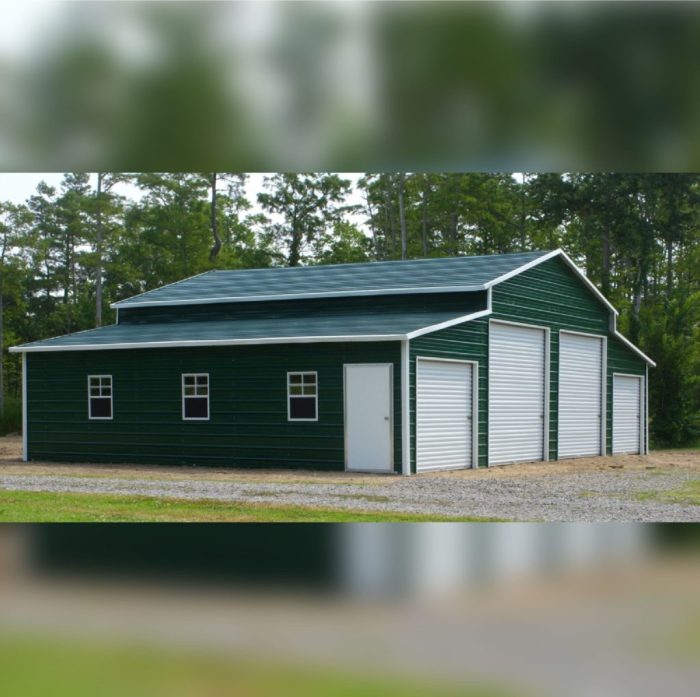
Carports differ significantly from other outdoor structures in terms of functionality. Compared to a shed, carports prioritize vehicle protection and offer less secure, enclosed storage space. Sheds, on the other hand, provide secure storage for a wider variety of items but lack the open-air design and vehicle accessibility of a carport. Awning structures offer even less protection, primarily shielding a smaller area from sun and rain. They lack the overall capacity and structural strength of a carport or shed.
Carport Limitations
While carports offer many advantages, they also have limitations. Their open design offers less security against theft compared to a closed garage. They offer minimal protection against extreme weather events such as strong winds, hail, or heavy snow accumulation. Additionally, carports provide little to no insulation, making them unsuitable for storing temperature-sensitive items or working comfortably in extreme temperatures. Finally, the lack of walls means limited privacy and potential exposure to pests and insects.
Carport Costs and Considerations: The Carport

Source: co.id
Building or buying a carport involves several financial aspects that need careful consideration. The total cost depends on a variety of factors, from the size and materials to your location and any necessary permits. Let’s break down the typical expenses and influential factors to help you budget effectively.
Average Carport Costs
The cost of a carport varies significantly depending on several factors. To give you a general idea, we can break down the typical expenses into materials and labor. Remember, these are average figures, and your actual costs may differ.
| Materials | Labor |
|---|---|
| $1,500 – $5,000 (depending on size and materials; e.g., wood, metal, polycarbonate) | $1,000 – $4,000 (depending on complexity and contractor rates; DIY can significantly reduce this cost) |
Factors Influencing Carport Prices
Several key factors significantly influence the overall cost of your carport project. Understanding these factors will help you make informed decisions and better manage your budget.
- Size: Larger carports naturally require more materials and labor, leading to higher costs. A single-car carport will be significantly cheaper than a structure large enough to accommodate multiple vehicles and storage.
- Materials: The choice of materials—wood, metal, or polycarbonate—directly impacts the price. Metal is often more affordable than wood, while polycarbonate offers greater durability but at a higher cost. The quality of the materials also plays a role; higher-grade materials will cost more.
- Location: Geographic location affects both material costs (shipping and availability) and labor rates. Areas with higher construction costs will generally result in a more expensive carport.
- Design Complexity: Simple, straightforward designs are less expensive than those with intricate features, such as curved roofs or custom additions.
Permits and Regulations
Before starting construction, it’s crucial to check with your local authorities about necessary permits and building codes. These regulations vary by location and may include requirements related to size, setbacks, materials, and structural integrity. Failing to obtain the proper permits can result in fines or even demolition orders. The permit application process itself may also involve fees. For example, a city might require a structural engineer’s assessment for a larger or more complex carport structure, adding to the overall cost.
Long-Term Maintenance
The long-term maintenance requirements of your carport depend heavily on the chosen materials.
- Wood: Requires regular painting or staining to prevent rot and insect damage. Periodic repairs may also be necessary to address weathering and wear.
- Metal: Generally low-maintenance, but may require occasional repainting to prevent rust, especially in areas with high humidity or saltwater exposure. Regular cleaning can help maintain its appearance.
- Polycarbonate: Relatively low maintenance, but scratches can occur. Regular cleaning will help maintain its clarity and prevent debris buildup.
Carport and Environmental Impact

Source: bangunrumahbekon.com
Building a carport involves choices that impact the environment, from the materials used to its overall design. Understanding these impacts allows for more sustainable construction practices. Let’s explore how different carport options affect our planet and what steps can be taken to minimize their environmental footprint.
Choosing sustainable materials and construction methods significantly reduces a carport’s environmental impact. The embodied carbon—the greenhouse gas emissions associated with a material’s entire lifecycle—varies greatly depending on the material’s origin, processing, and transportation.
Material Choices and Embodied Carbon
The embodied carbon of various carport materials differs considerably. For example, steel carports have a relatively high embodied carbon footprint due to the energy-intensive steel production process. However, steel is durable and recyclable, potentially offsetting some of its initial impact. Wood, sourced sustainably, boasts a lower embodied carbon footprint than steel, particularly if harvested from responsibly managed forests. Recycled materials, such as reclaimed wood or recycled plastic, significantly reduce the environmental impact compared to using virgin materials. The manufacturing and transportation of materials also contribute to the overall environmental footprint; locally sourced materials minimize transportation emissions. Consideration should also be given to the end-of-life management of the materials; recyclable materials offer a significant advantage in reducing landfill waste.
Eco-Friendly Carport Design Strategies
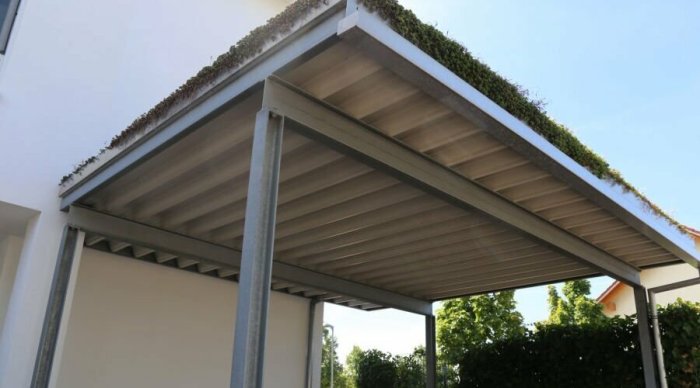
Designing an environmentally friendly carport involves several key considerations. Maximizing natural light reduces the need for artificial lighting, lowering energy consumption. This can be achieved through strategic placement of the carport to take advantage of natural sunlight or by incorporating design features such as translucent roofing materials. The use of recycled and locally sourced materials minimizes transportation emissions and reduces the demand for virgin resources. Incorporating green features, such as a green roof or vertical garden on supporting structures, can further improve the environmental performance of the carport. These green features can help reduce stormwater runoff, improve air quality, and provide habitat for local wildlife. Furthermore, designing a carport with a smaller footprint minimizes land consumption and reduces the impact on surrounding ecosystems. A well-designed carport can even contribute to energy efficiency by providing shade for the house, reducing the need for air conditioning.
Carport vs. Garage: Environmental Comparison
Compared to a traditional garage, a carport generally has a smaller environmental footprint. Garages typically require more materials for construction, including concrete foundations and walls. The energy consumption associated with heating and cooling a closed garage is also significantly higher than that of an open carport. However, a carport offers less protection from the elements, potentially leading to increased vehicle wear and tear. The optimal choice depends on individual needs and priorities, weighing the environmental benefits of a carport against the added protection offered by a garage.
Eco-Friendly Carport Design Features
Choosing eco-friendly design features can significantly reduce the environmental impact of your carport.
- Use recycled or reclaimed materials for construction.
- Source materials locally to minimize transportation emissions.
- Maximize natural light to reduce energy consumption for artificial lighting.
- Incorporate a green roof or vertical garden to improve air quality and reduce stormwater runoff.
- Choose durable and long-lasting materials to reduce the need for frequent replacements.
- Design a carport with a smaller footprint to minimize land consumption.
- Select materials with high recyclability at the end of their life.
Carport Safety and Security

Source: pinhome.id
Building a carport offers convenience, but prioritizing safety and security is crucial. A well-planned carport minimizes risks and protects your vehicle and belongings. This section details potential hazards, security measures, and design considerations for a safer carport.
Addressing potential safety hazards is paramount for a secure carport. Ignoring these issues could lead to accidents or damage. A proactive approach to safety significantly reduces risks.
Potential Safety Hazards and Solutions
Several factors can compromise carport safety. Addressing these proactively creates a much safer environment for you and your property.
- Falling Objects: Loose roofing materials, overhanging branches, or improperly stored items can fall, causing injury or damage. Regular inspections and maintenance, along with secure storage practices, are essential. Consider using strong, durable roofing materials resistant to damage and ensure overhanging branches are trimmed.
- Poor Lighting: Inadequate lighting increases the risk of accidents, especially at night. Installing bright, motion-activated lights improves visibility and deters potential intruders.
- Structural Instability: A poorly constructed carport is prone to collapse, particularly during severe weather. Using high-quality materials and employing a qualified builder ensures structural integrity and longevity.
- Electrical Hazards: Exposed wiring or faulty electrical connections pose a significant fire risk. Regular inspections by a qualified electrician and the use of weatherproof fittings are crucial.
- Trip Hazards: Uneven surfaces, debris, or poorly placed items can cause tripping. Maintaining a clean and level surface is essential for safety.
Security Measures for Carports
Protecting your vehicle and stored items requires a multi-faceted security approach. A combination of methods provides the best protection.
- Strong Locks and Latches: Secure storage units or cabinets with sturdy locks to prevent unauthorized access to valuable items.
- Motion-Activated Lighting: Bright lights deter potential thieves and alert you to activity around your carport.
- Security Cameras: Surveillance cameras provide visual monitoring and act as a deterrent. Consider cameras with recording capabilities for evidence in case of theft.
- Alarms: A security system with sensors can detect intrusion and alert you or the authorities.
- Solid Construction: A well-built carport with strong materials and secure connections is more resistant to forced entry.
Carport Design with Integrated Security Features
Integrating security features directly into the carport design enhances its effectiveness and aesthetics. Careful planning is key.
Imagine a carport with reinforced walls constructed from robust, weather-resistant materials like steel or concrete. These walls could incorporate recessed lighting, subtly integrated to illuminate the area without being overly conspicuous. A concealed wiring system running along the support beams would power the lights and potentially security cameras. The roof could be designed to incorporate motion sensors that trigger the lights and/or a security alarm. The entire structure could be designed to minimize blind spots, allowing for better visibility and surveillance. A sturdy, lockable storage unit could be built into one wall, providing secure storage for valuable items. The storage unit could have a reinforced door with a high-quality lock.
Carport Location for Minimized Safety Risks
Careful site selection significantly reduces safety risks. Consider these factors when choosing a carport location.
- Visibility: A location visible from your home or neighboring properties increases security and reduces the likelihood of undetected activity.
- Accessibility: Ensure easy access for your vehicle and emergency services, but avoid locations that are easily accessible to intruders.
- Proximity to Hazards: Avoid areas with overhanging trees, power lines, or other potential hazards.
- Drainage: Choose a location with good drainage to prevent water accumulation and potential flooding.
- Sunlight and Wind: Consider the direction of prevailing winds and the amount of sunlight the area receives to minimize potential damage from the elements.
Carport Illustrations

Source: desain.id
Let’s explore some visual examples of carports, showcasing their adaptability to different settings and design styles. These descriptions will help you envision the possibilities for your carport project.
Rustic Rural Carport
Imagine a carport nestled amongst rolling hills, its weathered cedar beams harmonizing perfectly with the surrounding landscape. The structure is simple yet elegant, featuring a gently sloping roof covered in dark grey asphalt shingles that blend seamlessly with the stormy skies. The supports are sturdy, rough-hewn posts, their natural texture left largely untouched, showcasing the beauty of the wood grain. Around the carport, wildflowers and native grasses sway gently in the breeze, creating a natural, unkempt border. Soft, warm-toned LED lighting is subtly integrated into the beams, casting a welcoming glow at dusk, highlighting the natural textures, and enhancing the peaceful atmosphere. The carport itself is generously sized, offering ample space for a vehicle and perhaps even some outdoor seating.
Contemporary Urban Carport
This carport is a sleek, minimalist structure designed to complement a modern home. Its clean lines and simple geometry are mirrored in the home’s architecture. The carport is constructed from polished concrete, its smooth, cool surface contrasting beautifully with the warm tones of the house. A flat, cantilevered roof extends slightly beyond the carport structure, offering shade and protection from the elements. The supporting columns are slender and elegant, made from powder-coated steel in a matte black finish. The overall effect is one of understated sophistication, with a focus on clean lines and neutral colors. Integrated LED lighting is cleverly concealed within the roofline, providing subtle illumination without disrupting the minimalist aesthetic.
Sustainable Carport with Integrated Features
This eco-friendly carport incorporates several sustainable design elements. The roof is fitted with solar panels, generating clean energy that can be used to power the home or fed back into the grid. The panels are sleek and dark, blending subtly with the overall design. A rainwater harvesting system is integrated into the carport’s design, collecting rainwater from the roof and channeling it into an underground storage tank. This collected water can be used for irrigation or other non-potable purposes, reducing reliance on municipal water supplies. The carport’s structure is made from recycled materials, such as reclaimed wood or sustainably sourced timber. The supporting columns are constructed from bamboo, a rapidly renewable resource. Vertical gardens are incorporated into the design, adding a touch of greenery and further enhancing the structure’s ecological footprint. The carport’s lighting is provided by solar-powered LED lights, minimizing energy consumption.
Last Word
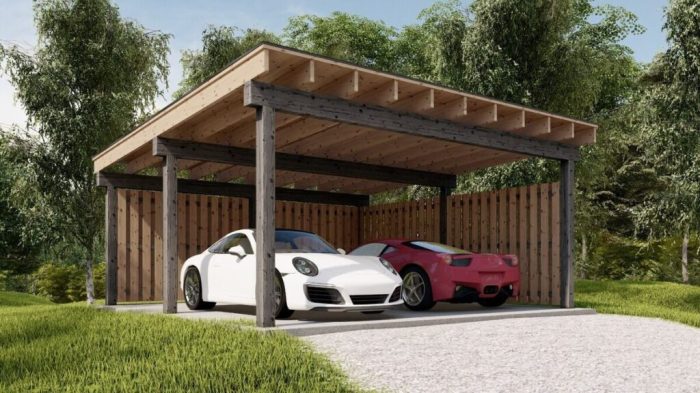
Source: propertyklik.com
Ultimately, the decision of whether or not to build a carport comes down to your individual needs and preferences. Weighing the benefits of cost-effectiveness and design flexibility against potential limitations, like weather protection, is crucial. By carefully considering the various factors in this guide—from design and materials to cost and environmental impact—you can create or choose a carport that perfectly complements your lifestyle and property.