Seamless Indoor Outdoor Living Design Guide
Seamless indoor-outdoor living isn’t just a trend; it’s a lifestyle upgrade. Imagine effortlessly flowing from your living room onto a sun-drenched patio, the transition so smooth you barely notice the change. This guide explores how to create that magical blend, from choosing the right materials and furniture to integrating smart technology and addressing practical concerns. We’ll cover everything you need to transform your home into a haven where indoor and outdoor spaces coexist harmoniously.
By understanding the core principles of design, material selection, and thoughtful planning, you can create a space that maximizes natural light, enhances comfort, and extends your living area beyond the four walls of your home. We’ll delve into practical solutions for challenges like weather protection and pest control, ensuring your seamless indoor-outdoor oasis remains enjoyable year-round.
Defining Seamless Indoor-Outdoor Living
Source: escea.com
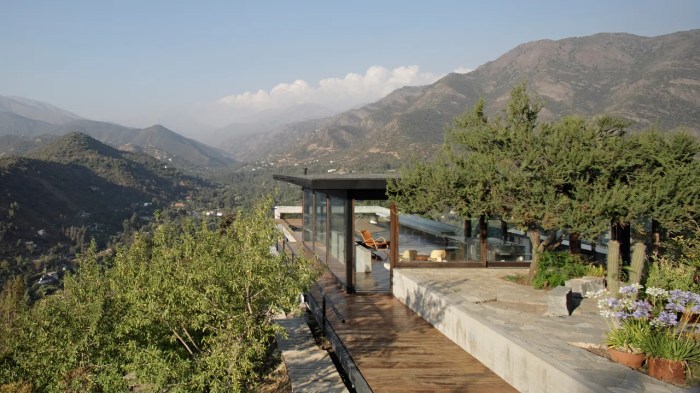
Seamless indoor-outdoor living is a design philosophy that aims to create a fluid transition between interior and exterior spaces, blurring the lines between the two and enhancing the connection between the home and its surroundings. It’s about maximizing natural light, bringing the outdoors in, and extending the living space beyond the confines of the walls. The goal is to create a harmonious and expansive feel, fostering a sense of relaxation and connection with nature.
The core principles revolve around minimizing visual and physical barriers between inside and outside areas. This is achieved through careful planning and the selection of appropriate architectural features and design elements. The overall effect should be a sense of openness and continuity, allowing for a comfortable flow of movement and visual appeal.
Architectural Features Facilitating the Transition
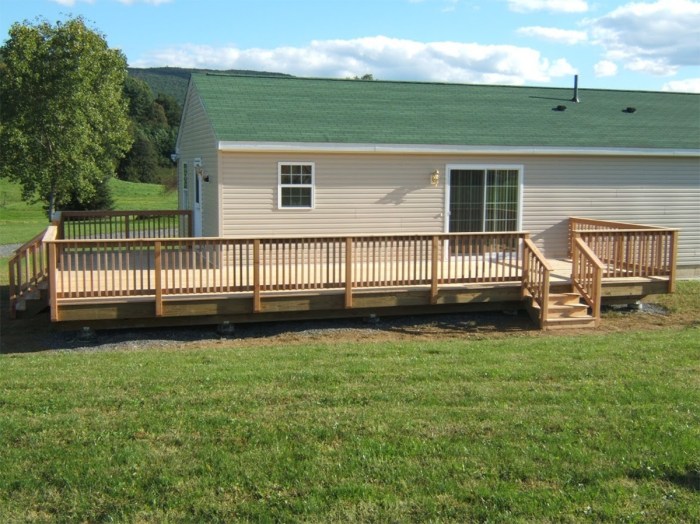
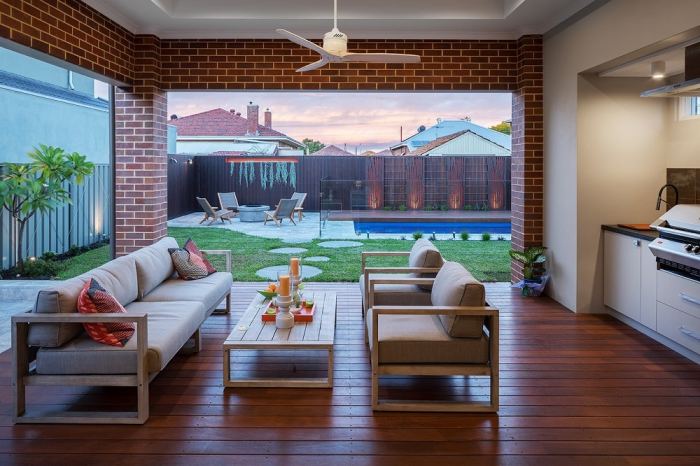
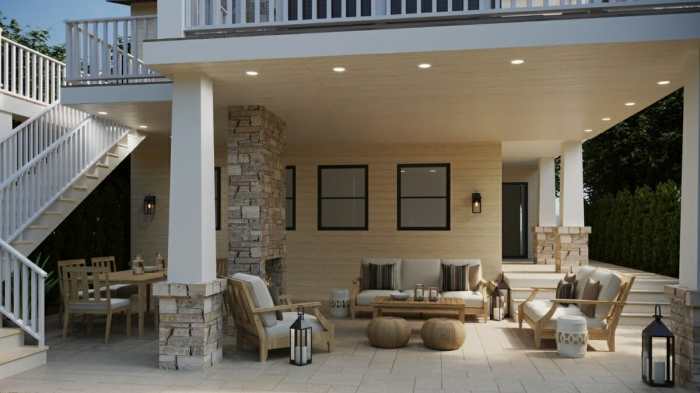
Architectural features play a crucial role in creating seamless indoor-outdoor flow. Strategic placement of doors and windows is key. Large sliding glass doors, disappearing walls of glass, and expansive windows that extend from floor to ceiling are common choices. These maximize natural light and offer unobstructed views of the outdoors, visually extending the interior space. Furthermore, covered patios, verandas, and decks that seamlessly integrate with the interior floor levels minimize the transition between spaces. Consider a design where the flooring material flows from inside to outside, further emphasizing the connection. For instance, a consistent tile or hardwood floor might continue from the living room onto the patio, creating a unified space. Another example is the use of retractable awnings or screens that offer shade and protection from the elements while maintaining an open feeling.
Design Elements Blurring Interior and Exterior Boundaries
Beyond architectural elements, design choices play a significant role in creating a seamless transition. The use of consistent materials and color palettes throughout both interior and exterior spaces is essential. Using the same or similar flooring materials, furniture styles, and color schemes helps create a unified aesthetic that visually links the spaces. Natural materials such as wood, stone, and bamboo are often employed to reinforce the connection with nature and create a warm and inviting atmosphere. Indoor plants strategically placed near windows and doors can also visually connect the interior and exterior, as well as improve air quality. Outdoor furniture should complement the interior style, creating a cohesive look. Consider using weather-resistant fabrics and materials for outdoor furniture to maintain a unified aesthetic while ensuring durability. Finally, lighting plays a crucial role. Consistent lighting styles and temperatures help to create a unified atmosphere and extend the feeling of spaciousness into the evening hours. The use of outdoor lighting that complements the interior lighting creates a cohesive and inviting ambiance.
Materials and Finishes for a Unified Aesthetic
Source: architecturaldigest.com
Creating a seamless transition between your indoor and outdoor spaces relies heavily on thoughtful material and finish selection. A cohesive aesthetic is achieved by carefully choosing elements that visually connect the two areas, blurring the lines between inside and outside. This extends beyond just furniture; it encompasses flooring, wall treatments, and even the overall color palette.
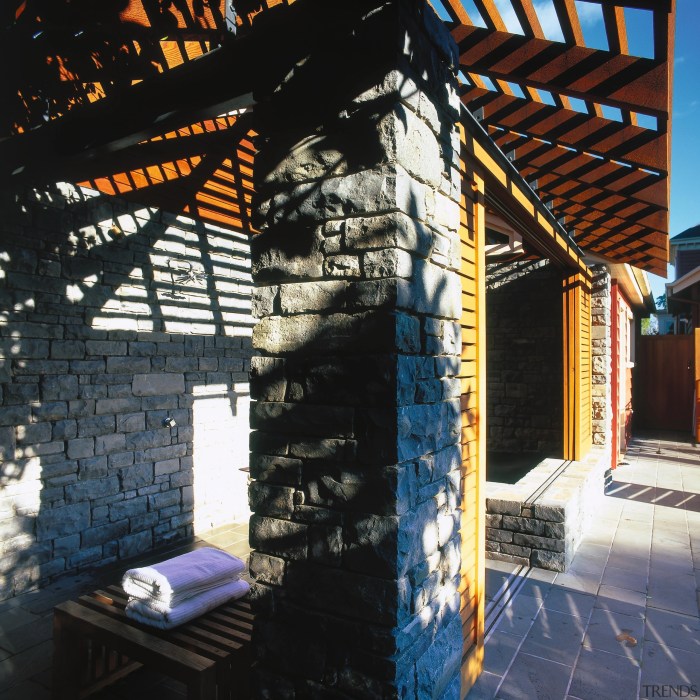
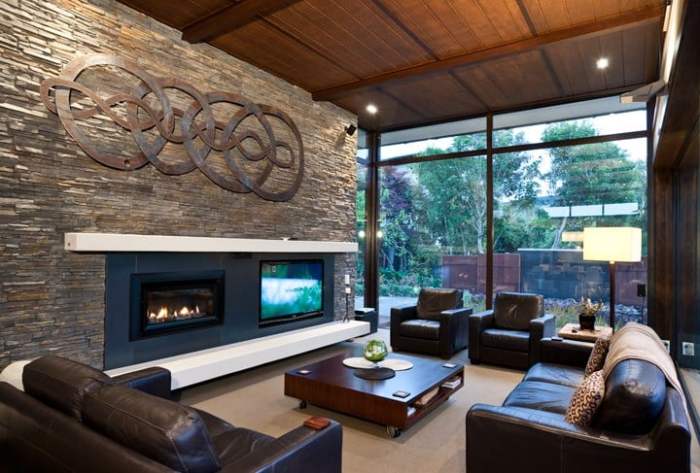
Consistent material use is key to achieving this unified look. Think of extending the same or similar flooring materials from inside to outside, or using the same stone or wood type for both interior walls and exterior features like retaining walls or patios. This creates a sense of continuity and visual harmony.
Flooring Materials for Indoor and Outdoor Spaces
Choosing the right flooring is crucial for both functionality and aesthetics. Outdoor flooring must withstand the elements, while indoor flooring needs to be comfortable and easy to maintain. However, a careful selection can create a beautiful flow between the two. Natural stone, like slate or travertine, is a popular choice as it can be used effectively both indoors and outdoors, offering a sophisticated and durable option. Similarly, porcelain tiles designed for exterior use can mimic the look of natural stone or wood while offering superior weather resistance. For a more rustic feel, consider using large-format pavers outdoors and smaller tiles or wood-look planks indoors, maintaining a similar color scheme for visual consistency.
Weather-resistant finishes for Outdoor Furniture and Structures
Outdoor furniture and structures are exposed to harsh weather conditions, requiring durable and weather-resistant finishes. For wooden furniture, consider using marine-grade teak or other naturally weather-resistant woods, or applying high-quality outdoor-grade paints or stains with UV protection. Powder-coated aluminum or steel furniture offers excellent durability and requires minimal maintenance. For structures like pergolas or patios, weather-resistant materials like treated lumber, composite decking, or aluminum are essential for longevity. Proper sealing and regular cleaning will help maintain the beauty and extend the lifespan of these elements.
Material Durability and Maintenance Comparison
| Material | Durability | Maintenance | Suitable for |
|---|---|---|---|
| Natural Stone (Slate, Travertine) | High; resistant to wear and tear | Moderate; requires sealing and occasional cleaning | Both indoor and outdoor |
| Porcelain Tiles | High; very durable and weather-resistant | Low; easy to clean | Both indoor and outdoor |
| Treated Lumber | Moderate; susceptible to rot if not properly treated | Moderate; requires regular sealing and cleaning | Outdoor structures |
| Powder-coated Aluminum | High; rust-resistant and durable | Low; easy to clean | Outdoor furniture and structures |
Furniture and Furnishings for Indoor/Outdoor Flow
Source: futurecdn.net
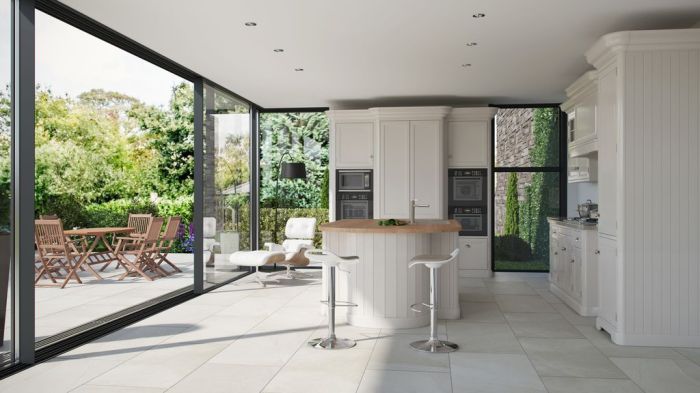
Creating a seamless transition between your indoor and outdoor living spaces relies heavily on thoughtful furniture selection and placement. The goal is to establish a visual and functional connection, making the two areas feel like a single, cohesive environment. This involves choosing pieces that share similar styles, colors, and materials, while also considering practicality for both indoor and outdoor use.
The key to successful indoor-outdoor furniture design is selecting pieces that bridge the gap between the two environments. This isn’t about simply moving indoor furniture outside; rather, it’s about choosing furniture styles and materials that are suitable for both and maintain a consistent aesthetic. Think about how materials weather, how comfort is maintained, and how the overall style complements both spaces.
Furniture Styles for Seamless Transition
Several furniture styles lend themselves beautifully to creating a unified indoor-outdoor aesthetic. Wicker, rattan, and teak are classic choices, offering durability and a natural, relaxed vibe that suits both settings. Modern metal furniture, especially powder-coated aluminum or steel, provides a sleek and contemporary look that can easily transition between indoors and out. Similarly, simple, clean-lined designs in materials like concrete or sustainably sourced wood can create a cohesive look. For a more rustic feel, consider reclaimed wood furniture, which adds character and warmth to any space.
Textiles and Accessories for Cohesive Look
Textiles and accessories play a crucial role in unifying indoor and outdoor spaces. Consider using outdoor-rated fabrics for cushions and throws that echo the colors and patterns used inside. For example, if you have a neutral color palette indoors, opt for outdoor cushions in similar shades with subtle patterns. Rugs can also help define areas and add warmth, but choose outdoor rugs made from durable materials like polypropylene or recycled plastic. Accessories such as planters, lanterns, and decorative pillows can further enhance the cohesive look, mirroring the style and materials used inside. For instance, indoor ceramic planters could be echoed outdoors with larger, similarly styled, weather-resistant planters.
Key Furniture Pieces for Seamless Flow
Choosing the right furniture is paramount. A well-planned selection ensures both comfort and a visually pleasing connection between your indoor and outdoor areas.
- Modular Sofa: A modular sofa allows for flexible configuration, adapting to both indoor and outdoor spaces. Choose weather-resistant materials like wicker or aluminum for outdoor use, and ensure the indoor sections match in style and color.
- Dining Set: A dining set that can transition seamlessly between indoor and outdoor dining creates a fluid flow. Consider a set made from teak or powder-coated aluminum with comfortable, weather-resistant chairs.
- Lounge Chairs: Comfortable lounge chairs are essential for both indoor and outdoor relaxation. Choose materials appropriate for each area, such as wicker or teak for outdoors and upholstered pieces for indoors, maintaining a consistent style.
- Coffee Table: A coffee table is a central piece that can anchor the space. Opt for a material that works in both settings, like a simple concrete or wood table.
Lighting Design for Indoor-Outdoor Harmony
Source: openuptoperformance.com
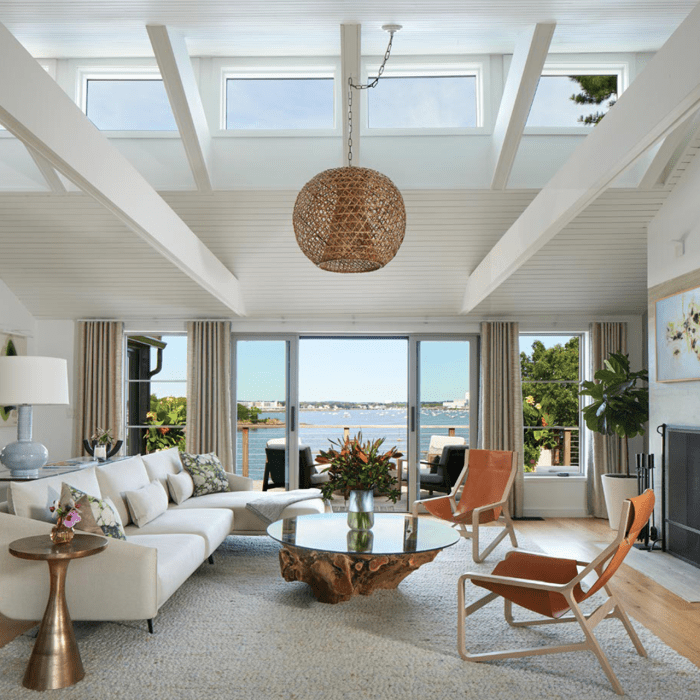
Creating a seamless transition between indoor and outdoor living spaces extends beyond just architectural design; it requires a carefully planned lighting scheme. Effective lighting enhances the flow between areas, emphasizes architectural features, and sets the mood, whether it’s a relaxed evening gathering or a vibrant party. The key is to create a cohesive lighting design that works harmoniously across both spaces.
Lighting that smoothly transitions from day to night is crucial for a truly integrated indoor-outdoor environment. This involves using a layered approach that complements natural light during the day and smoothly transitions to artificial light as the sun sets. This prevents jarring shifts in ambiance and maintains a consistent feel throughout the space.
Ambient Lighting for a Unified Atmosphere
Ambient lighting provides overall illumination, setting the general mood and brightness level for the entire space. For seamless indoor-outdoor living, this often involves using similar color temperatures and brightness levels inside and outside. Imagine warm-toned LED strip lighting under the eaves of a patio cover, mirroring the warm white LED recessed lights in the adjacent living room. This creates a consistent and welcoming feel. Consider using dimmers to adjust the intensity based on the time of day and desired ambiance. For example, a dimmer allows you to lower the ambient lighting for a romantic dinner, whether indoors or on the patio.
Task Lighting for Functionality and Focus
Task lighting focuses on specific areas requiring illumination for activities. Inside, this could be a pendant light above a kitchen island or reading lamps beside armchairs. Outdoors, might involve path lighting guiding guests to the patio, spotlights highlighting garden features, or hanging lanterns above a dining table on the deck. The consistency lies in using fixtures with similar styles and finishes – perhaps sleek, modern pendant lights indoors mirroring the clean lines of outdoor bollard lights. This integration of function and aesthetics creates a cohesive whole.
Accent Lighting to Highlight Architectural Features and Create Visual Interest
Accent lighting is used to draw attention to specific architectural details or decorative elements. Indoors, this could mean highlighting a piece of artwork or a textured wall. Outdoors, could involve uplighting trees, highlighting a water feature, or showcasing architectural details like columns or stonework. Using similar fixture styles and light colors, like warm white spotlights both inside and out, will create a cohesive look. For instance, recessed spotlights inside could mirror the style of spotlights illuminating outdoor landscaping features. This technique brings attention to both the indoor and outdoor architecture.
Utilizing Natural Light to Maximize the Connection
Maximizing natural light is key to creating a strong indoor-outdoor connection. Large windows and sliding glass doors are crucial, allowing ample daylight to flow freely between spaces. Consider using sheer curtains or blinds to control light levels and privacy without completely blocking the natural light. Strategically placed mirrors can also reflect natural light deeper into the indoor space, enhancing the sense of openness and connection. Skylights can also dramatically increase natural light penetration, brightening the interior space. In essence, this design choice emphasizes the interplay of natural and artificial light.
Examples of Suitable Indoor/Outdoor Lighting Fixtures, Seamless indoor-outdoor living
Several fixture types are well-suited for both indoor and outdoor use, facilitating a cohesive design. For instance, weatherproof LED strip lights can be used under cabinets inside and along the eaves of a patio cover outside. Similarly, stylish lanterns with LED bulbs are available in both indoor and outdoor versions, offering consistent aesthetics. Finally, consider using pendant lights with weather-resistant materials for both indoor and outdoor dining areas, maintaining a consistent design theme throughout the living spaces. The consistency in style, materials, and light color will create a harmonious environment.
Landscaping and Outdoor Space Design
Source: houseandhome.com
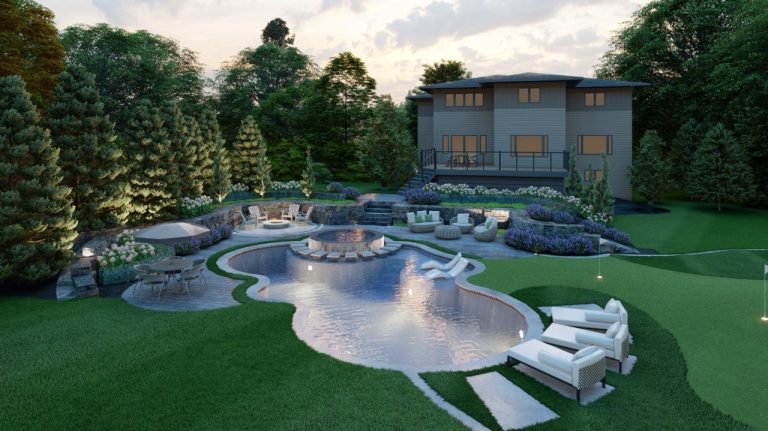
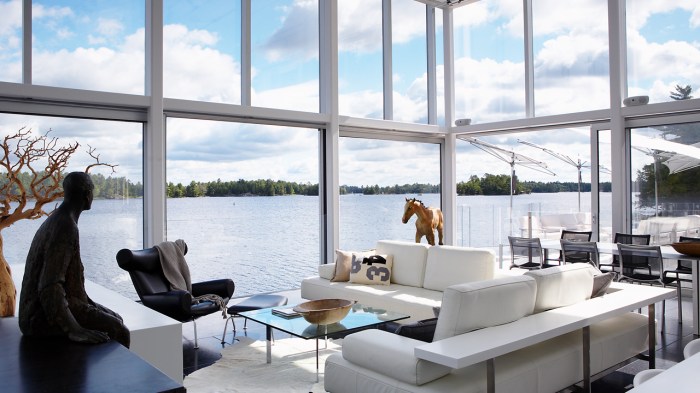
Creating a seamless transition between your indoor and outdoor living spaces requires careful consideration of the landscaping. The outdoor environment should feel like a natural extension of your home’s interior, enhancing the overall aesthetic and functionality. A well-designed landscape can blur the lines between inside and outside, creating a harmonious and inviting atmosphere.
Landscaping choices directly impact the success of seamless indoor-outdoor living. The style of your landscaping should complement the architectural style of your home, creating a unified and cohesive look. The careful selection and placement of plants, pathways, and water features are key to achieving this seamless integration.
Plant Selection and Placement
The right plants are essential for creating a visually appealing and functional outdoor space. Consider using a mix of textures, colors, and heights to add visual interest. For example, a mix of tall grasses, flowering shrubs, and shade trees can create a dynamic and layered landscape. Plants should be chosen to complement the existing architecture and interior design. If your home features a minimalist aesthetic, consider using clean lines and simple plant forms. For a more traditional home, you might incorporate more ornate landscaping with a wider variety of plant species. Careful consideration should also be given to the amount of sunlight each area receives, choosing plants that will thrive in those conditions.
Pathway Design and Materials
Pathways are crucial for connecting your indoor and outdoor spaces. The materials used for the pathways should complement the architectural style and overall aesthetic of the home. Natural stone, brick, or gravel pathways can create a rustic feel, while concrete or pavers offer a more modern look. The pathway should lead naturally from the interior to the desired outdoor destinations, such as a patio, deck, or garden. Consider incorporating curves and gentle changes in elevation to add visual interest and create a sense of flow. The width of the pathway should be comfortable for foot traffic, allowing for easy movement between indoor and outdoor areas.
Water Features for a Unified Aesthetic
Water features, such as fountains, ponds, or even a simple birdbath, can add a tranquil and calming element to your outdoor space. The sound of flowing water can help to mask unwanted noise and create a more relaxing atmosphere. The style of the water feature should complement the overall design aesthetic. A modern home might feature a sleek, minimalist fountain, while a more traditional home could incorporate a more ornate pond with aquatic plants. The placement of the water feature is also important; it should be positioned to enhance the view from the interior and create a visual connection between the indoor and outdoor spaces.
Example Garden Design: Seamless Integration
Imagine a Mediterranean-style home with white stucco walls and terracotta roof tiles. The garden seamlessly extends the home’s aesthetic. A paved patio, made of light-colored stone, flows directly from the living room’s French doors. Lavender bushes and rosemary plants line the patio edges, their fragrant blooms spilling onto the stone. A small, rectangular fountain, crafted from aged terracotta, sits quietly in a corner, its gentle trickle providing a soothing backdrop. A winding pathway, paved with the same light-colored stone as the patio, leads through a small grove of olive trees to a shaded seating area. Climbing bougainvillea, in vibrant shades of pink and purple, drapes over a pergola, creating a shaded retreat. The overall effect is one of tranquil elegance, a seamless blend of architecture and nature, where the indoor and outdoor spaces merge effortlessly.
Technology Integration for Enhanced Comfort: Seamless Indoor Outdoor Living
Source: architecturaldigest.com
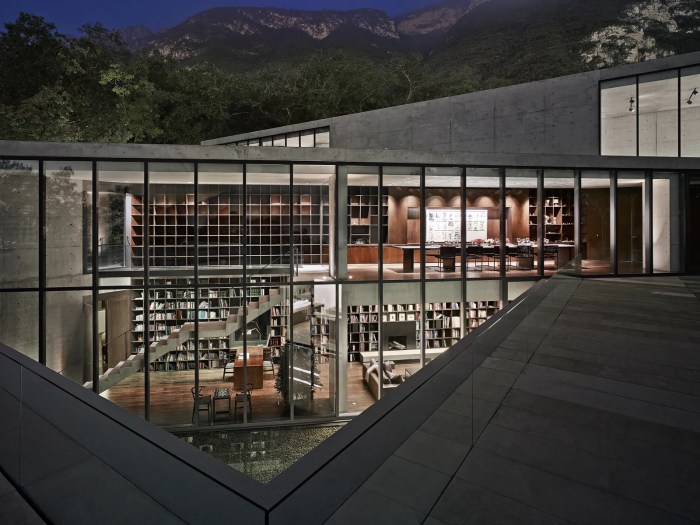
Smart home technology is no longer a luxury; it’s a practical way to enhance comfort and functionality, especially in spaces designed for seamless indoor-outdoor living. By integrating technology thoughtfully, you can create a truly unified and enjoyable environment that responds to your needs and preferences, blurring the lines between inside and outside. This section will explore how various smart home technologies can elevate your indoor-outdoor living experience.
Smart home technology plays a crucial role in optimizing climate control, security, and entertainment, ultimately enhancing comfort and functionality within a seamless indoor-outdoor living space. Automated systems allow for personalized control, energy efficiency, and enhanced safety, resulting in a more relaxed and enjoyable living experience. These systems work together to create a unified and responsive environment that adapts to your needs throughout the day.
Climate Control Automation
Automated climate control systems are essential for maintaining a comfortable temperature across both indoor and outdoor areas. Imagine a system that automatically adjusts the temperature based on the time of day, occupancy, and even the weather forecast. Smart thermostats can learn your preferences and adjust accordingly, while smart vents ensure optimal air distribution. For outdoor spaces, smart heating systems, such as infrared heaters or fire pits with automated controls, can extend the usability of your patio or deck into cooler evenings. This integrated approach ensures consistent comfort regardless of the weather conditions. A system might, for example, pre-heat the patio area based on the sunset time and your planned outdoor dinner, while simultaneously lowering the indoor temperature to save energy during your absence.
Security and Surveillance Systems
Security is paramount, especially when seamlessly blending indoor and outdoor spaces. Smart security systems offer a comprehensive approach to protecting your home and property. This might include smart locks that allow remote access and monitoring, security cameras with motion detection and night vision that cover both interior and exterior areas, and integrated alarm systems that alert you to any potential threats. Smart lighting can also play a role in security, with automated systems that turn lights on and off based on motion detection or a pre-set schedule, creating a deterrent to potential intruders. For instance, a system could automatically illuminate pathways as you approach your home at night, both for safety and aesthetics.
Smart Home System Design for Seamless Indoor-Outdoor Living
A comprehensive smart home system for optimizing seamless indoor-outdoor living would integrate several key technologies. A central hub, such as a smart home assistant, would manage all the connected devices. This hub would coordinate climate control, security, lighting, and entertainment systems, allowing for centralized control and automation.
The system would include:
- Smart thermostats and vents for precise temperature regulation inside and outside.
- Smart lighting systems with integrated motion sensors and scheduling capabilities for both interior and exterior areas.
- A network of security cameras with remote access and facial recognition for enhanced surveillance.
- Smart locks and access control for secure entry and exit points.
- Automated window shades or blinds that adjust based on sunlight and temperature.
- Smart irrigation systems for efficient lawn and garden maintenance.
- Smart speakers and entertainment systems for seamless audio throughout the indoor-outdoor space.
This integrated system would allow for personalized automation, creating a comfortable, secure, and enjoyable living environment that seamlessly blends indoor and outdoor spaces. For example, a user could set a “Relaxation Mode” that adjusts the lighting, temperature, and music to create a tranquil atmosphere for an evening on the patio. Alternatively, a “Party Mode” could adjust the lighting, music, and even the outdoor heating system to optimize the ambiance for entertaining guests. The possibilities are vast, limited only by the imagination and the specific needs of the homeowner.
Addressing Practical Considerations
Source: architecturaldigest.com
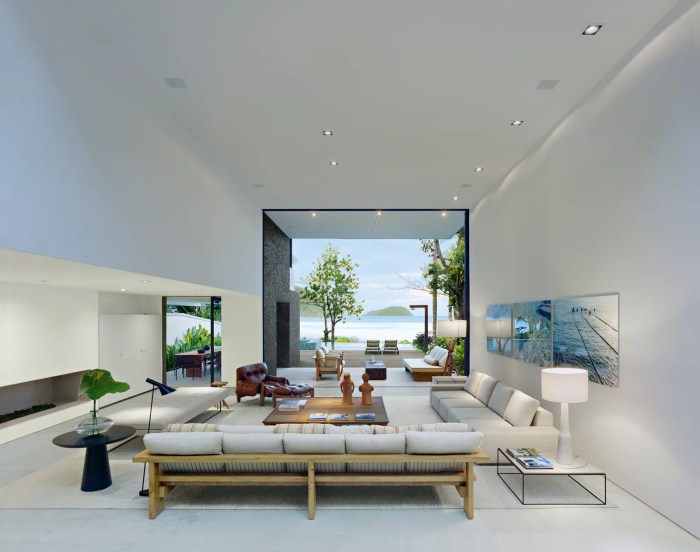
Creating a truly seamless indoor-outdoor living space requires careful consideration of practical challenges that can impact both comfort and longevity. Ignoring these factors can lead to frustration and costly repairs down the line. This section addresses common issues and offers effective solutions to ensure your space remains enjoyable and functional year-round.
Weather Protection
Weather is a major factor affecting the usability of outdoor living spaces. Extreme temperatures, rain, snow, and strong winds can damage furniture, flooring, and other elements. Effective weather protection strategies are essential for extending the lifespan of your investment and maximizing enjoyment. Choosing materials resistant to the elements is the first step. For example, using weather-resistant fabrics for outdoor cushions and furniture, opting for durable, waterproof flooring like composite decking or porcelain tiles, and incorporating retractable awnings or pergolas to provide shade and shelter from rain. Consider also the use of weatherproof window and door systems designed to withstand harsh conditions.
Pest Control
Pests, from insects to rodents, can be a significant nuisance, impacting both the aesthetic appeal and hygiene of your indoor-outdoor space. A comprehensive pest control strategy is crucial. This could involve using natural deterrents like planting pest-repelling herbs (e.g., lavender, mint) around your outdoor area. Regular cleaning and maintenance to eliminate food sources and breeding grounds are also essential. For more severe infestations, professional pest control services might be necessary, choosing eco-friendly options whenever possible. Consider using screened windows and doors to prevent insects from entering your home, and regularly inspect for and seal any cracks or gaps that pests might exploit.
Maintenance Tips for Longevity
Regular maintenance is key to prolonging the life of both your indoor and outdoor elements. Consistent care prevents small problems from escalating into larger, more costly repairs.
- Regular Cleaning: Sweep or vacuum outdoor spaces frequently to remove dirt, leaves, and debris. Clean furniture and flooring regularly using appropriate cleaning solutions. Power washing can be beneficial for patios and decks, but use caution to avoid damaging surfaces.
- Seasonal Protection: Cover outdoor furniture and equipment during periods of inclement weather to prevent damage from rain, snow, or extreme temperatures. Consider storing delicate items indoors during winter months.
- Material-Specific Care: Follow the manufacturer’s instructions for cleaning and maintaining specific materials. This might involve applying sealants or protective coatings to wood, metal, or stone surfaces.
- Regular Inspections: Regularly inspect all elements for signs of wear and tear, damage, or pest infestations. Address any issues promptly to prevent further problems.
- Professional Maintenance: Schedule periodic professional maintenance for items like HVAC systems, irrigation systems, and outdoor lighting to ensure optimal performance and longevity.
Conclusive Thoughts
Source: cdn-website.com
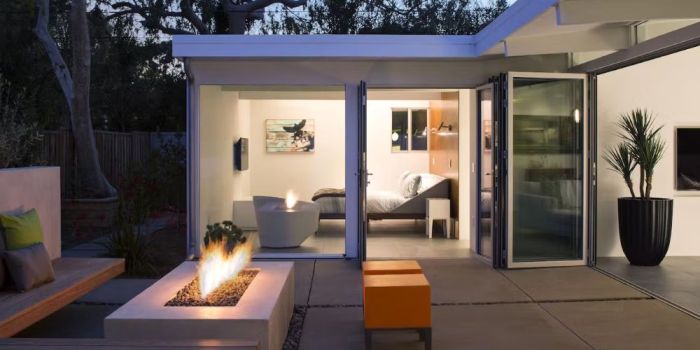
Creating seamless indoor-outdoor living is about more than just aesthetics; it’s about enhancing your lifestyle. By carefully considering design elements, material choices, and practical solutions, you can achieve a space that’s both beautiful and functional. Remember, the key is to create a cohesive flow between inside and outside, blurring the lines and maximizing the enjoyment of both areas. The result? A home that feels expansive, inviting, and perfectly attuned to your needs and desires.