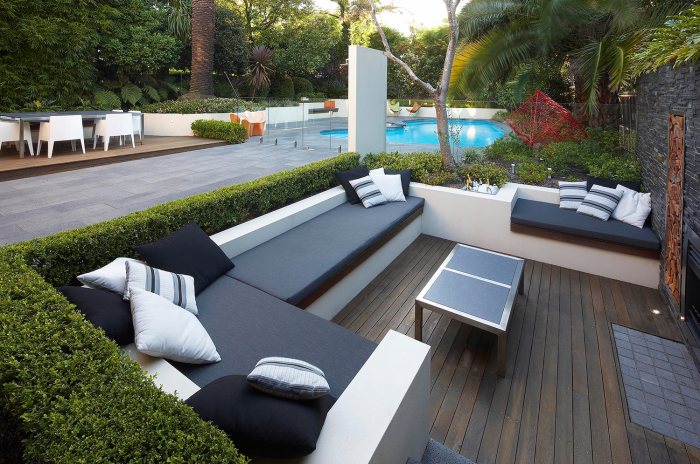
Backyard Living Spaces Design & Build Your Oasis
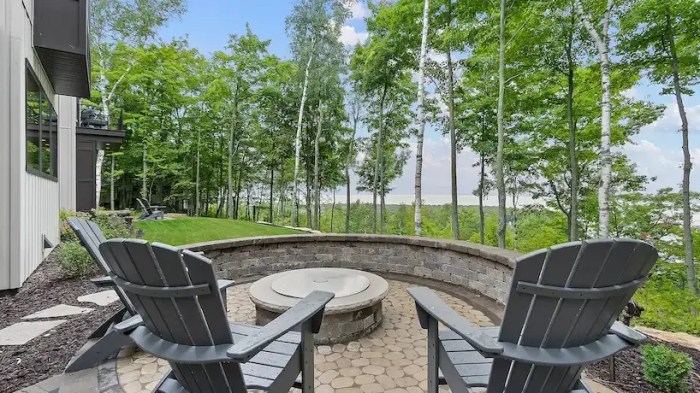
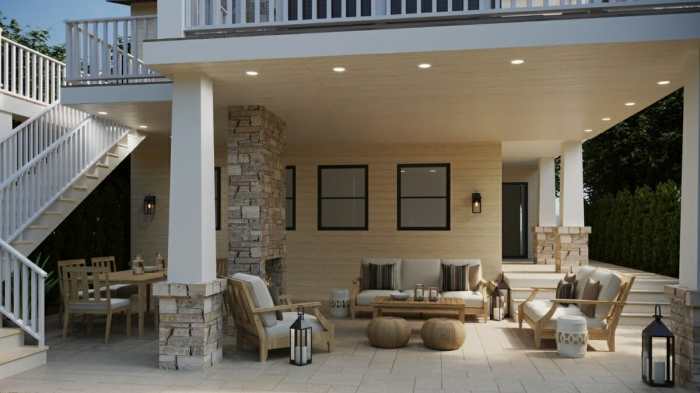
Backyard living spaces are transforming how we enjoy our homes. This guide dives into creating your outdoor retreat, from designing the perfect layout and choosing the right materials to selecting stylish furniture and incorporating smart technology. Whether you dream of a cozy patio, a spacious deck, or a full-blown outdoor kitchen, we’ll walk you through every step of the process, helping you build the backyard oasis of your dreams.
We’ll cover everything from the various types of backyard living spaces available – patios, decks, gazebos, and outdoor kitchens – to the materials used in their construction, including wood, concrete, and composite decking. We’ll also explore design considerations, such as natural light and shade, landscaping, and hardscaping, plus furnishing and décor ideas to create a comfortable and functional space. Finally, we’ll look at budgeting, sustainability, and how to incorporate technology to enhance your outdoor living experience.
Defining Backyard Living Spaces
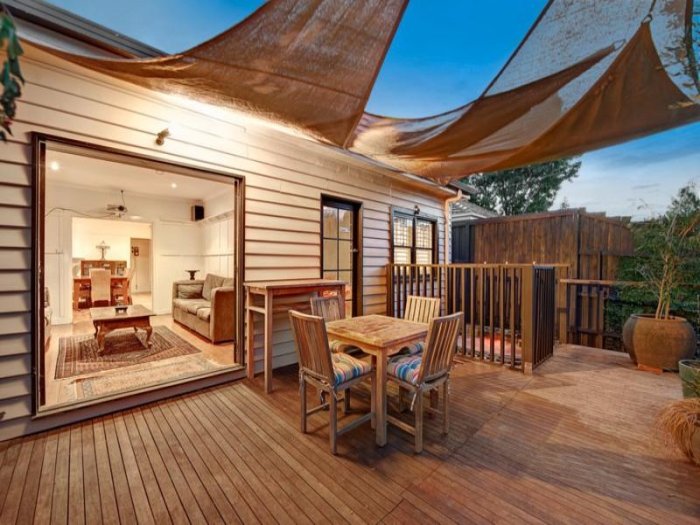
Source: reastatic.net
Creating a functional and enjoyable backyard living space extends your home’s usable area and enhances your lifestyle. Choosing the right type of space depends on your budget, available space, and personal preferences. Let’s explore some popular options.
Types of Backyard Living Spaces
The choice of backyard living space significantly impacts the overall feel and functionality of your outdoor area. Consider factors like available space, budget, and desired level of comfort when making your decision. Below is a table summarizing key features of common backyard living spaces.
| Type | Features | Materials | Typical Size |
|---|---|---|---|
| Patio | Often paved, level surface; may include seating, fire pit, or water feature. | Concrete, pavers, flagstone, brick | Variable, from a small seating area to a large entertainment space (100-500 sq ft) |
| Deck | Elevated platform; can be attached to the house or freestanding; offers views and separation from the ground. | Wood (treated lumber, cedar, redwood), composite materials | Variable, depending on house size and desired space (50-1000 sq ft+) |
| Gazebo | Freestanding structure with a roof and open sides; provides shade and shelter. | Wood, metal, vinyl | Typically smaller than patios or decks (8×8 ft to 12×12 ft) |
| Outdoor Kitchen | The cooking and food preparation area; may include a grill, sink, refrigerator, and countertop space. | Brick, stone, concrete, stainless steel | Variable, depending on features and size (50-200 sq ft) |
Benefits and Drawbacks of Each Type
Each type of backyard living space offers unique advantages and disadvantages. Careful consideration of these factors is crucial for making an informed decision.
Patios: Patios are generally less expensive and easier to build than decks. They provide a solid, level surface ideal for various activities. However, they may be less aesthetically pleasing than decks and offer less privacy if not properly screened. They can also be susceptible to weather conditions like rain and extreme temperatures.
Decks: Decks offer elevated views and a sense of separation from the ground. They can be designed to fit various aesthetics and are generally more durable than patios. However, they are more expensive and require more complex construction. Regular maintenance, such as staining or sealing, is also necessary.
Gazebos: Gazebos provide shade and shelter from the elements. They add a touch of elegance and can be a focal point in the backyard. However, they are generally smaller than patios or decks and offer limited protection from strong winds or heavy rain. They may also require more upkeep than patios.
Outdoor Kitchens: Outdoor kitchens extend the functionality of your backyard and provide a dedicated space for cooking and entertaining. They significantly enhance the outdoor living experience. However, they are the most expensive option and require more planning and installation. They may also require permits and adherence to building codes.
Design and Layout Considerations
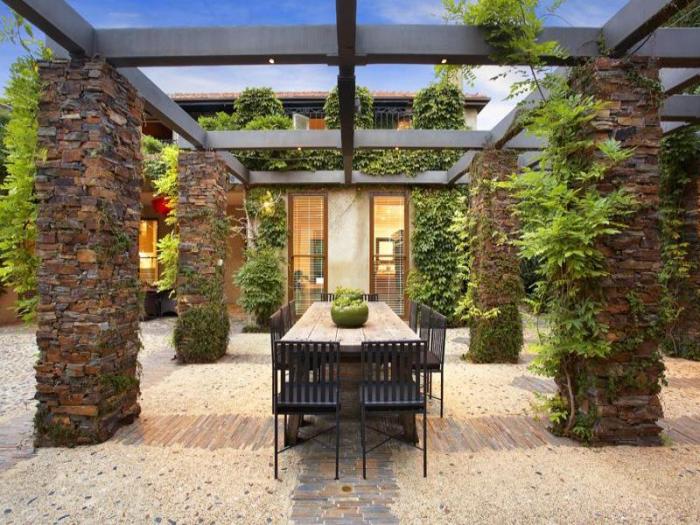
Source: reastatic.net
Creating a beautiful and functional backyard living space requires careful consideration of design and layout. The size of your yard will heavily influence the overall design, dictating the scale of furniture and the possibilities for features like a fire pit or outdoor kitchen. Effective planning ensures your space is both aesthetically pleasing and practical for your needs.
Small Backyard Layouts
For small backyards, maximizing space and creating a sense of openness is key. A well-planned layout can make even a compact area feel spacious and inviting.
- Layout 1: Cozy Conversation Area: Focus on a small seating area with two comfortable armchairs and a small coffee table. Place the furniture close to the house or a wall to create a sense of enclosure. A narrow pathway leading to a small potted herb garden would add a touch of nature.
- Layout 2: Linear Design: Arrange furniture along one wall, creating a linear flow. This works well if you have a long, narrow backyard. A small bistro set could be placed at the far end, offering a quiet spot to enjoy a morning coffee. Consider vertical gardening to add greenery without taking up valuable floor space.
- Layout 3: Multi-functional Space: Combine a small dining area with a lounge area using foldable furniture. This allows for flexibility depending on the occasion. A simple pathway could separate the two zones, creating a visual division.
Medium Backyard Layouts
Medium-sized backyards offer more flexibility in design and allow for the incorporation of additional features. Careful zoning is crucial to create distinct areas for different activities.
- Layout 1: Zoned Relaxation: Divide the space into a dining area, a lounging area with comfortable seating, and a small fire pit area. Use pathways to connect these zones and create a sense of flow. Consider incorporating a water feature, like a small fountain, to add a soothing element.
- Layout 2: Outdoor Kitchen and Dining: If space allows, incorporate an outdoor kitchen with a built-in grill and countertop. This can be combined with a large dining table and chairs for entertaining. A separate lounge area with comfortable seating can be placed nearby for relaxation.
- Layout 3: Game Area and Relaxation: Dedicate a portion of the yard to a game area, perhaps with a horseshoe pit or badminton net. A separate relaxation area with comfortable seating and a shaded pergola could provide a tranquil retreat.
Large Backyard Layouts
Large backyards provide ample opportunities for creativity and the incorporation of various features. Careful planning is essential to avoid a sprawling and unorganized feel.
- Layout 1: Formal Garden and Entertainment Area: Create a formal garden with well-defined pathways and meticulously arranged plants. A separate entertainment area with a large patio, outdoor kitchen, and dining space can be incorporated. This design creates a sophisticated and elegant feel.
- Layout 2: Multi-purpose Zones: Divide the yard into distinct zones for different activities, such as a swimming pool area, a children’s play area, a dining area, and a quiet relaxation area. Strategic pathways connect these zones and ensure easy movement throughout the space.
- Layout 3: Resort-Style Oasis: Create a luxurious and relaxing space with features like a large swimming pool, a spa, an outdoor shower, and comfortable lounge areas. Mature trees and lush landscaping can provide shade and privacy. This design evokes a sense of escape and tranquility.
Natural Light and Shade
The placement of furniture and the incorporation of shade structures are crucial considerations. Optimizing natural light during the day while providing shade during peak sun hours ensures comfort and enjoyment of the space throughout the day. Consider the sun’s path throughout the day when designing your layout, placing seating areas strategically to maximize sunlight in the morning and minimize it in the afternoon. Pergolas, umbrellas, and strategically planted trees provide effective shade solutions.
Landscaping and Hardscaping Elements
Landscaping and hardscaping elements significantly enhance the overall design and functionality. Careful selection and placement of plants, paving, and other materials create visual interest and improve usability. For example, a stone pathway winding through a garden leads to a secluded seating area, creating a sense of journey and discovery. A retaining wall can define different levels in the yard, while a pergola provides shade and a focal point. Incorporating native plants reduces maintenance and supports local ecosystems. Using permeable paving materials helps manage water runoff and reduces environmental impact.
Materials and Construction
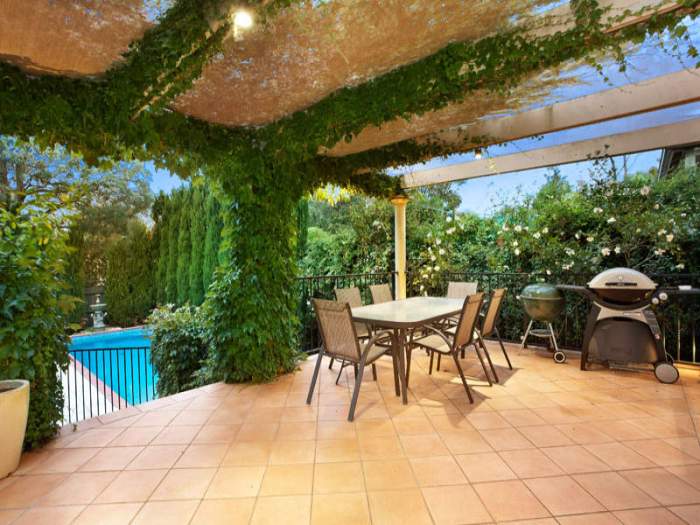
Source: reastatic.net
Building a backyard living space involves choosing the right materials and understanding basic construction techniques. The longevity and aesthetic appeal of your outdoor haven depend heavily on these initial decisions. Consider factors like budget, desired aesthetics, maintenance requirements, and local climate when making your selections.
Choosing the right materials is key to a successful backyard project. Different materials offer unique advantages and disadvantages in terms of durability, cost, and maintenance. Let’s compare some popular options.
Material Comparison: Decking Options
The following table compares wood, concrete, and composite decking materials, considering their pros, cons, and approximate cost. Costs are estimates and can vary significantly based on location, quality, and installation.
| Material | Pros | Cons | Approximate Cost (per sq ft) |
|---|---|---|---|
| Wood (e.g., Cedar, Redwood) | Natural beauty, relatively easy to work with, can be stained or sealed. | Requires regular maintenance (staining, sealing, potential for rot and insect damage), susceptible to weather damage. | $3-$15 |
| Concrete | Durable, low maintenance, cost-effective (for larger areas), and can be stained or stamped for various designs. | Can crack or chip, can be difficult to install DIY, less aesthetically pleasing than wood (unless customized). | $4-$12 |
| Composite Decking | Low maintenance, resists rot, insects, and moisture damage, and often comes in various colors and textures. | Can be more expensive than wood, can fade over time, and may not be as aesthetically pleasing as natural wood to some. | $6-$20 |
Material Maintenance and Protection
Proper maintenance extends the life of your backyard living space. Wood decking requires regular cleaning, staining, and sealing every 2-3 years to protect against rot, insects, and UV damage. Pressure washing is recommended for a thorough cleaning, followed by the application of a high-quality wood stain and sealant. Concrete patios benefit from occasional sweeping and cleaning with a mild detergent. Sealing concrete can help prevent staining and cracking. Composite decking generally requires less maintenance, but regular sweeping and occasional cleaning with soap and water are still recommended. Avoid harsh chemicals on any surface.
Building a Simple Patio or Deck
Building a small patio or deck is a manageable DIY project. This example focuses on a simple concrete patio; deck construction involves more complex framing techniques.
Tools needed: shovel, wheelbarrow, tamper, mixing tools (if mixing concrete on-site), level, measuring tape, and possibly a concrete saw (for cutting). Materials include gravel, sand, concrete mix (pre-mixed bags are convenient for smaller projects), and optional decorative elements (stones, pavers).
Steps:
1. Preparation: Clear the area, removing any existing vegetation and leveling the ground.
2. Base: Create a compacted gravel base (4-6 inches deep) for drainage. Level the gravel thoroughly using a tamper.
3. Sand Layer: Add a 2-inch layer of sand on top of the gravel for further leveling and drainage.
4. Formwork (Optional): For a more defined patio shape, create formwork using wood planks.
5. Concrete Pour: Mix and pour the concrete according to the manufacturer’s instructions. Use a level to ensure a smooth, even surface.
6. Finishing: Smooth the concrete surface with a trowel. Allow the concrete to cure according to the manufacturer’s recommendations (typically 24-72 hours).
7. Curing: Keep the concrete moist during curing to prevent cracking.
Furnishing and Decor
Source: mb-landdesign.com
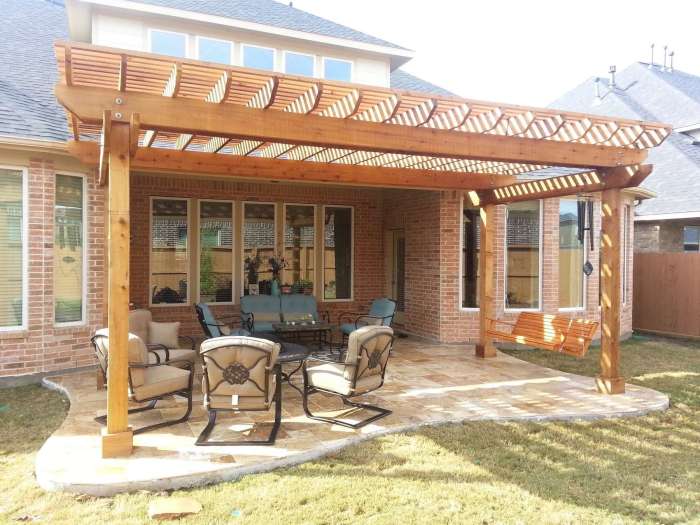
Creating a comfortable and stylish backyard living space involves carefully selecting furniture and decor that complements your design and enhances the overall ambiance. The right pieces will transform your outdoor area into an inviting extension of your home, perfect for relaxation, entertaining, or simply enjoying the fresh air.
Choosing the right furniture and decor is key to creating a functional and aesthetically pleasing backyard oasis. Consider your lifestyle, the size of your space, and the overall style you’re aiming for. Durability and weather resistance are also crucial factors to ensure your investment lasts.
Essential and Optional Outdoor Furniture
Selecting furniture for your backyard should prioritize both comfort and functionality. A well-chosen selection will maximize the usability of your space.
- Essential: Seating is paramount. A comfortable sofa or sectional, along with armchairs or individual chairs, provides ample space for relaxation and socializing. A sturdy outdoor dining table and chairs are essential for meals and gatherings.
- Essential: Consider adding weather-resistant storage options, such as ottomans with storage or a dedicated outdoor storage cabinet, to keep cushions and other items safe from the elements.
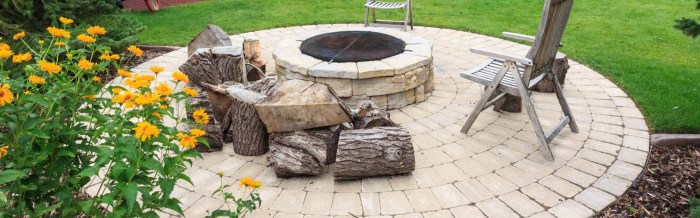
- Optional: Depending on space and preference, you might include additional pieces like a fire pit or chiminea for warmth and ambiance, a coffee table for drinks and snacks, and outdoor lighting for evening use. A hammock or swing chair can also add a touch of whimsy and relaxation.
Selecting Durable and Stylish Outdoor Furniture
Outdoor furniture faces the elements, so choosing durable materials is crucial. While style is important, prioritize materials that can withstand sun, rain, and temperature fluctuations.
- Materials: Wrought iron, aluminum, and teak are popular choices for their strength and weather resistance. Wrought iron offers a classic, elegant look, while aluminum is lightweight and rust-resistant. Teak is a naturally durable hardwood that develops a beautiful patina over time. Consider wicker or resin wicker for a more relaxed, casual aesthetic; however, ensure it’s specifically designed for outdoor use.
- Cushions and Fabrics: Opt for outdoor-specific cushions and fabrics designed to resist fading, mildew, and water damage. Look for fabrics with UV protection and water-repellent coatings. Regular cleaning and proper storage during inclement weather will prolong their lifespan.
- Construction: Check the construction quality. Look for sturdy frames, well-secured joints, and high-quality finishes. Read reviews before purchasing to gauge the durability and longevity of different brands and models.
Decorating Styles and Themes for Backyard Living Spaces
The decorating style you choose should reflect your taste and the overall aesthetic of your home. Many styles can be adapted for outdoor use.
- Mediterranean: This style evokes a sense of warmth and relaxation with terracotta pots filled with herbs and colorful flowers, wrought iron furniture, and warm-toned textiles. Think whitewashed walls (if applicable), blue and white striped fabrics, and rustic wooden accents.
- Tropical: Lush greenery, vibrant colors, and natural materials are key elements of a tropical theme. Use bamboo furniture, bright patterned cushions, and plenty of tropical plants to create a vibrant and lively atmosphere. A thatched roof pergola would enhance this style.
- Modern Minimalist: Clean lines, simple shapes, and neutral colors define this style. Choose sleek, modern furniture in neutral tones, such as gray or beige, and incorporate natural materials like stone and wood for a touch of warmth. Keep the decor minimal and uncluttered.
Outdoor Lighting and Ambiance
Source: reastatic.net
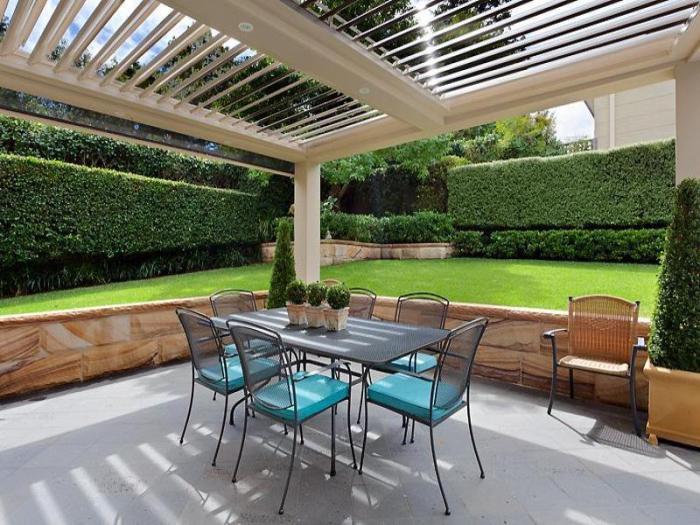
Creating the perfect ambiance in your backyard living space involves more than just comfortable furniture; lighting plays a crucial role in setting the mood and extending the usability of your outdoor area into the evening hours. The right lighting can transform your space from a daytime retreat into a magical nighttime oasis. We’ll explore different lighting schemes to achieve this.
Strategic lighting enhances both the functionality and aesthetic appeal of your outdoor living area. Consider factors like safety, highlighting architectural features, and creating distinct zones for different activities, such as dining, lounging, or simply enjoying the night sky.
Outdoor Lighting Schemes
Below are three distinct outdoor lighting schemes, each offering a unique atmosphere and functionality for your backyard living space. These schemes incorporate a mix of lighting types and intensities to create a balanced and inviting environment.
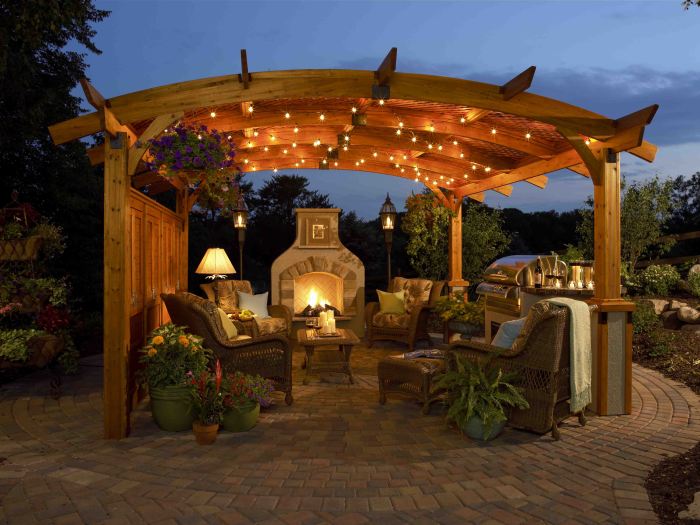
- Scheme 1: Warm and Intimate. This scheme focuses on creating a cozy, romantic atmosphere. It uses primarily warm-toned LED pathway lights lining the walkways, low-voltage spotlights highlighting key plants and trees, and string lights draped across pergolas or trees. A few strategically placed lanterns with flickering LED candles add to the ambiance. The overall effect is soft, diffused light that encourages relaxation and conversation.
- Scheme 2: Bright and Functional. Prioritizing functionality, this scheme incorporates brighter lighting for safety and visibility. High-output LED floodlights provide ample illumination for walkways and steps, preventing accidents. Motion-sensor lights near entrances add an extra layer of security. Integrated LED lighting in decking or patio furniture provides subtle ambient lighting, while task lighting near the grill or dining area aids in food preparation and eating. This scheme balances brightness with warmth, ensuring safety without sacrificing ambiance.
- Scheme 3: Layered and Dramatic. This scheme uses a combination of light sources to create a layered and dramatic effect. Uplighting on trees or architectural features adds depth and height to the space. Spotlights highlight sculptures or water features. Pathways are illuminated with low-level lighting, while recessed lighting in the patio area provides a more general illumination. The combination of different light sources and intensities creates visual interest and a sophisticated atmosphere.
Creating a Relaxing and Inviting Atmosphere
Beyond just the lighting scheme itself, the successful creation of a relaxing and inviting atmosphere involves the thoughtful integration of various elements. Lighting, candles, and other decorative elements work together synergistically to achieve this.
Using warm-toned lighting, such as soft white or amber LED lights, creates a calming and inviting atmosphere. Strategically placed candles, real or battery-operated, add a touch of romance and warmth. Consider incorporating natural elements like plants and water features, and use soft, textured fabrics in outdoor furniture and cushions to enhance the feeling of comfort and relaxation. Subtle background music can also contribute significantly to the overall ambiance.
Benefits of Energy-Efficient Lighting
Choosing energy-efficient lighting options for your outdoor spaces offers numerous benefits, both environmentally and economically. LED lights, for instance, consume significantly less energy than traditional incandescent bulbs while providing comparable or even superior brightness. This translates to lower electricity bills and a reduced carbon footprint. Moreover, LED lights boast a much longer lifespan, reducing the frequency of bulb replacements and associated costs. The durability and longevity of LED lights make them a smart and sustainable choice for outdoor lighting.
Incorporating Technology
Source: reastatic.net
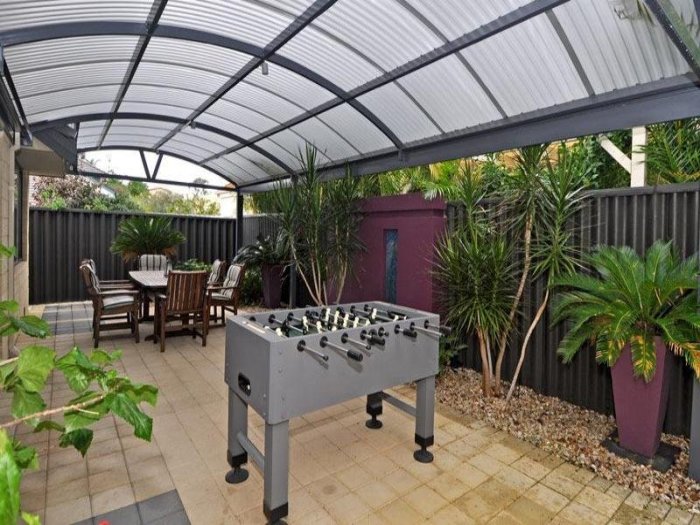
Smart home technology is rapidly transforming how we interact with our living spaces, and the backyard is no exception. Integrating technology can elevate your outdoor experience, adding convenience, security, and a touch of futuristic flair. However, it’s crucial to weigh the benefits against potential drawbacks before embarking on a tech-heavy backyard makeover.
Smart home technology seamlessly blends into backyard living, enhancing both functionality and enjoyment. This integration extends beyond simple convenience, impacting safety and security, ultimately creating a more comfortable and controlled environment.
Smart Home Technology Integration Examples
Smart speakers, lighting controls, and security systems are among the most popular technological additions to outdoor spaces. Smart speakers allow for hands-free control of music, lighting, and even irrigation systems. Imagine effortlessly adjusting the lighting levels for a romantic dinner or summoning your favorite playlist without leaving your lounge chair. Smart lighting systems offer precise control over illumination, allowing you to set schedules, adjust brightness, and even change colors to match your mood or the occasion. Outdoor security systems, incorporating smart cameras and motion sensors, provide real-time monitoring and alerts, deterring potential intruders and offering peace of mind. These systems can be integrated with other smart home devices, creating a comprehensive security network that extends beyond the confines of your house.
Advantages of Using Technology in the Backyard
The advantages of incorporating technology in your backyard are numerous. Increased convenience is paramount; imagine controlling your outdoor lighting, music, and even irrigation systems from your smartphone, regardless of your location. Enhanced safety and security are also significant benefits. Smart security systems, coupled with motion-activated lighting, provide a strong deterrent against intruders. Furthermore, technology can significantly improve energy efficiency. Smart lighting systems, for instance, can automatically adjust brightness based on ambient light levels, reducing energy consumption. Finally, technology can elevate the overall ambiance and enjoyment of your outdoor space. Dynamic lighting schemes, personalized music playlists, and even smart fire pits can create a unique and immersive atmosphere.
Disadvantages of Using Technology in the Backyard
While the benefits are substantial, it’s essential to acknowledge the potential downsides. The initial cost of installing and maintaining smart home technology can be significant. This includes the purchase of devices, installation costs, and potential ongoing subscription fees for cloud services. Technological dependence is another factor to consider; system malfunctions or power outages can disrupt your outdoor experience. Moreover, concerns regarding data privacy and security must be addressed. Smart devices collect data, and it’s crucial to choose reputable brands with robust security measures to protect your privacy. Finally, the complexity of integrating various smart devices can be challenging for some users. Careful planning and potentially professional installation may be necessary to ensure seamless integration and optimal functionality.
Technology Enhancing Safety and Convenience
Technology offers practical solutions to enhance both safety and convenience in outdoor living areas. Smart security cameras, equipped with motion detection and night vision, provide real-time monitoring and alerts, deterring potential intruders and allowing for immediate response in case of an incident. Smart lighting systems automatically illuminate pathways and outdoor areas at dusk, preventing accidents and enhancing visibility. Automated irrigation systems conserve water and maintain your lawn’s health, eliminating the need for manual watering. And finally, smart weather stations provide real-time weather updates, enabling you to adjust your outdoor plans accordingly, preventing potential discomfort or damage from unexpected weather conditions. For example, a sudden downpour might trigger an automated alert to retract an awning or close a pergola.
Budgeting and Cost Considerations: Backyard Living Spaces
Source: thelandscapingpros.com
Creating your dream backyard oasis requires careful planning, and a realistic budget is crucial for a successful project. Failing to account for all expenses can lead to delays, compromises, and ultimately, a less-than-satisfying outcome. This section will guide you through creating a budget, finding ways to save money, and exploring financing options.
Sample Backyard Living Space Budget
A well-structured budget breaks down the project into manageable components. The following table provides a sample budget, but remember that your actual costs will vary depending on your location, the materials chosen, and the complexity of your design. Always add a contingency buffer (10-20%) to account for unforeseen expenses.
| Item | Quantity | Unit Cost | Total Cost |
|---|---|---|---|
| Patio Stones (e.g., pavers) | 100 sq ft | $5/sq ft | $500 |
| Gravel Base | 100 sq ft | $2/sq ft | $200 |
| Sand | 100 sq ft | $1/sq ft | $100 |
| Outdoor Furniture Set (table & chairs) | 1 | $500 | $500 |
| Outdoor Lighting (fixtures & installation) | 4 | $75/fixture | $300 |
| Plants & Landscaping | Variable | $200 | $200 |
| Labor (installation & landscaping) | 8 hours | $50/hour | $400 |
| Contingency (15%) | $225 | ||
| Total Estimated Cost | $2425 |
Tips for Saving Money
Several strategies can help you minimize expenses without sacrificing quality. Consider using reclaimed or repurposed materials for certain elements, like using old pallets for a rustic fence or repurposing old furniture. Shop around for the best deals on materials and consider DIY options where feasible. For instance, laying pavers yourself can significantly reduce labor costs. Prioritize essential features and phase your project to spread the costs over time.
Financing Options for Backyard Projects
Several financing options exist to fund your backyard project. Home equity loans or lines of credit allow you to borrow against your home’s equity, offering potentially lower interest rates than personal loans. Personal loans provide more flexibility but often come with higher interest rates. Credit cards can be used for smaller projects, but be mindful of high interest rates and potential debt accumulation. Finally, exploring payment plans with suppliers or contractors can allow for more manageable monthly payments. Carefully compare interest rates, fees, and repayment terms before making a decision.
Sustainability and Eco-Friendly Options
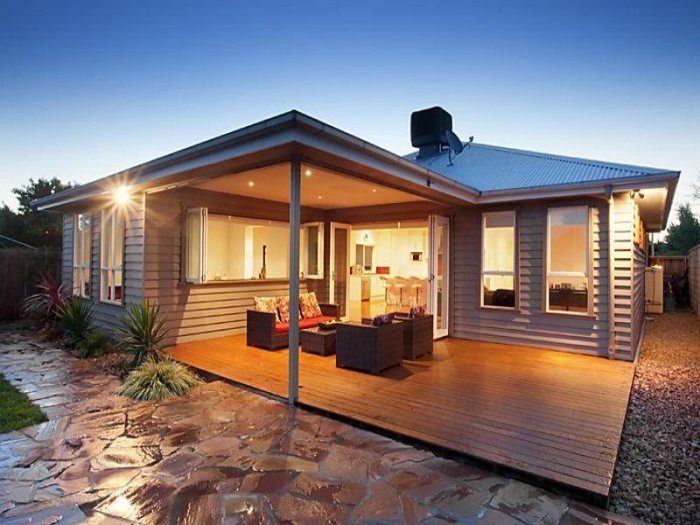
Source: reastatic.net
Creating a sustainable backyard living space isn’t just about looking good; it’s about minimizing your environmental footprint and enjoying a healthier outdoor environment. By making conscious choices in materials, design, and maintenance, you can significantly reduce your impact on the planet while creating a beautiful and functional space. This section explores eco-friendly options for building and maintaining your backyard oasis.
Eco-friendly materials and practices are crucial for building a sustainable backyard living space. Prioritizing recycled, reclaimed, and locally sourced materials reduces transportation emissions and supports sustainable industries. Choosing durable, long-lasting materials minimizes the need for frequent replacements, further reducing waste. Consider the entire lifecycle of the materials you use – from extraction to disposal – to make informed decisions.
Sustainable Material Choices
Sustainable materials offer a range of benefits, including reduced environmental impact and enhanced durability. Using reclaimed wood for decking, for instance, diverts waste from landfills and gives your space a unique character. Bamboo, a rapidly renewable resource, is a strong and versatile alternative to traditional lumber for fencing or furniture. Recycled plastic lumber offers similar durability with a lower environmental impact than traditional wood. For paving, permeable pavers allow water to seep into the ground, reducing runoff and supporting healthy soil. Locally sourced stone minimizes transportation costs and emissions. These choices not only benefit the environment but can also add unique character to your backyard design.
Water Conservation in Landscaping
Water conservation is paramount in creating a sustainable outdoor space, especially in drier climates. Choosing drought-tolerant native plants significantly reduces the need for irrigation. These plants are naturally adapted to the local climate and require less water to thrive. Implementing a drip irrigation system delivers water directly to the roots of plants, minimizing water waste compared to traditional sprinklers which often lead to evaporation and runoff. Creating rain gardens captures rainwater runoff, reducing the strain on municipal water supplies and providing a beautiful, natural feature. Mulching around plants helps retain soil moisture, reducing the frequency of watering. By focusing on water-wise landscaping, you can conserve a valuable resource and create a beautiful, low-maintenance garden.
Minimizing Environmental Impact, Backyard living spaces
Minimizing the environmental impact of your backyard project involves considering the entire process, from planning to disposal. Careful site preparation, such as avoiding unnecessary clearing of vegetation, protects existing ecosystems. Composting food and yard waste reduces landfill waste and creates nutrient-rich soil for your plants. Proper waste disposal and recycling practices are essential throughout the construction process. Selecting energy-efficient outdoor lighting reduces energy consumption and light pollution. Supporting local businesses and artisans during construction promotes sustainable practices within your community. By making conscious choices at every stage, you can create a backyard living space that is both beautiful and environmentally responsible.
Wrap-Up

Source: home-designing.com
Creating your ideal backyard living space is a rewarding journey that blends creativity, planning, and careful execution. By thoughtfully considering design, materials, and functionality, you can transform your backyard into a vibrant extension of your home, a place for relaxation, entertainment, and cherished memories. Remember to prioritize your style and needs, and don’t be afraid to experiment with different ideas to create a truly unique and enjoyable outdoor haven. So, start planning your perfect outdoor escape today!