Custom Outdoor Spaces Design & Build Your Dream Oasis
Custom outdoor spaces transform ordinary yards into extraordinary extensions of your home. Whether you envision a minimalist zen garden, a vibrant Mediterranean patio, or a rustic retreat, the possibilities are endless. This guide explores the design process, from initial concept to final construction, helping you create an outdoor space perfectly tailored to your lifestyle and preferences.
We’ll cover everything from choosing the right materials and considering sustainable practices to understanding budgeting and long-term maintenance. Learn how to incorporate smart technology, select stylish features, and overcome common design challenges to achieve your dream outdoor haven. Get ready to turn your outdoor area into a place of relaxation, entertainment, and lasting memories.
Defining “Custom Outdoor Spaces”
Source: behance.net
A custom outdoor space goes beyond simply adding furniture to a patio. It’s a thoughtfully designed extension of your home, tailored to your specific lifestyle, aesthetic preferences, and the unique characteristics of your property. This involves a collaborative process with a designer or landscape architect to create a truly personalized and functional outdoor environment.
Custom outdoor spaces are fundamentally different from pre-designed options. While pre-designed kits or prefabricated structures offer convenience and affordability, they lack the flexibility and personalization of a custom design. A custom approach allows for seamless integration with existing structures, optimal use of available space, and the incorporation of unique features that reflect the homeowner’s tastes and needs. This might include specialized materials, unique plant selections, bespoke lighting, and water features tailored to the site.
Key Differentiators Between Custom and Pre-designed Outdoor Spaces
The primary difference lies in the level of personalization and adaptation to the specific site and client needs. Pre-designed spaces often come in limited styles and sizes, whereas custom designs are limitless in their potential. Custom designs offer a higher level of quality and durability through the use of premium materials and construction techniques chosen specifically for the project’s needs and the local climate. Furthermore, the integration with the surrounding landscape is far more seamless and aesthetically pleasing in custom designs. Pre-designed options often feel like an addition rather than a harmonious extension of the property.
Client Types and Their Specific Needs, CustomOutdoor Spacess
Various types of clients seek custom outdoor space design, each with unique requirements. For example, families with young children may prioritize safety and play areas, incorporating features like soft surfaces, enclosed play structures, and age-appropriate landscaping. Active individuals might focus on fitness elements, such as outdoor gyms, running tracks, or designated spaces for yoga and meditation. Entertaining homeowners may prioritize spacious patios, outdoor kitchens, fire pits, and comfortable seating arrangements to host gatherings. Finally, clients seeking a tranquil retreat might focus on creating serene spaces with water features, lush gardens, and calming lighting schemes. Each project is unique, requiring a deep understanding of the client’s lifestyle and aspirations.
Design Elements and Considerations
Source: behance.net
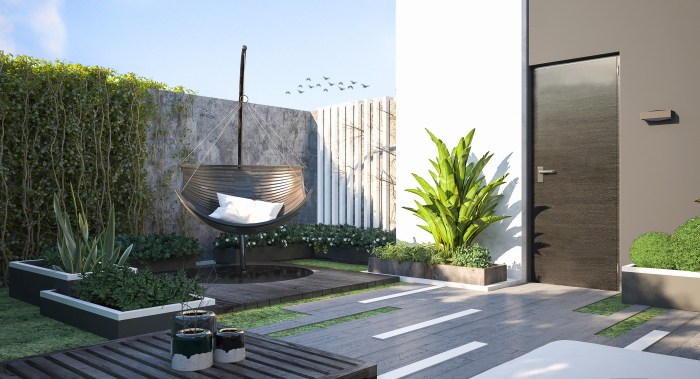
Designing a custom outdoor space involves careful consideration of several key elements to ensure the final result is both aesthetically pleasing and functional. This includes choosing the right materials, planning the layout to suit the space and intended use, and integrating sustainable practices where possible. Let’s delve into the specifics.
Sample Layouts for Small, Medium, and Large Outdoor Spaces
Creating a functional and attractive outdoor space requires thoughtful planning. The layout should reflect the available space and the intended use. Below, we present sample layouts for small, medium, and large spaces, including dimensions and material choices. Remember that these are just examples; your specific design will depend on your individual needs and preferences.
| Feature | Small Space (10′ x 10′) | Medium Space (15′ x 20′) | Large Space (25′ x 30′) |
|---|---|---|---|
| Seating | Small bistro set (metal or wicker); two Adirondack chairs. | Four-person patio dining set (wood or composite); two lounge chairs with a small coffee table. | Large sectional sofa with outdoor cushions; multiple armchairs; coffee table and side tables. |
| Lighting | String lights; solar-powered pathway lights. | Pendant lights above dining area; strategically placed pathway lights; solar-powered spotlights. | Combination of pendant lights, recessed lighting, and uplighting to highlight architectural features; pathways, and accent lighting. |
| Plants | Potted herbs and flowers; small shrubs in containers. | Variety of potted plants; combination of shrubs and small trees in strategically placed planters. | Mature trees; flowering shrubs; groundcover; strategically placed planters with a variety of plants to create visual interest. |
Comparison of Common Outdoor Materials
The choice of materials significantly impacts the aesthetics, durability, and maintenance of your outdoor space. Each material offers unique advantages and disadvantages.
- Wood: Offers a natural, warm aesthetic. Requires regular maintenance (staining, sealing) to prevent rot and insect damage. Various types of wood offer different levels of durability and resistance to the elements.
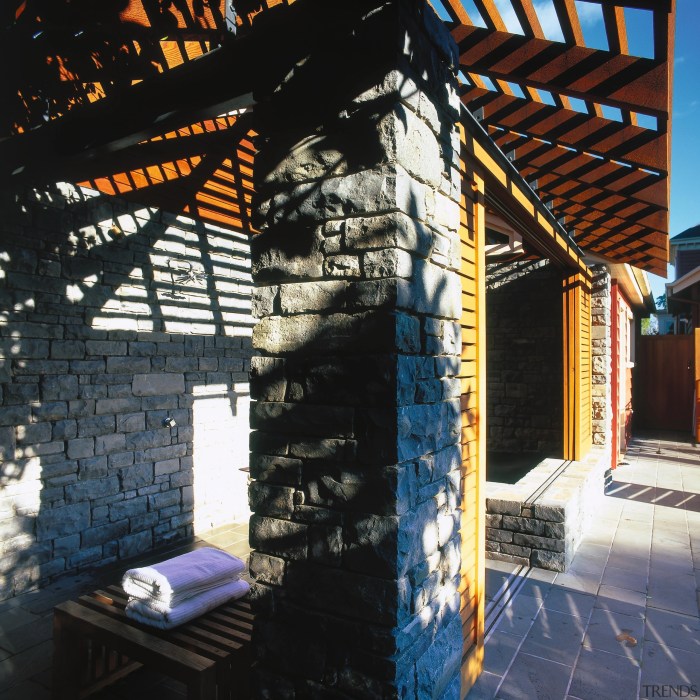
- Stone: Durable and low-maintenance; provides a sophisticated, timeless look. Can be expensive and heavy, requiring professional installation for larger projects. Different types of stone offer varying levels of porosity and weather resistance.
- Metal: Durable and weather-resistant (especially powder-coated options). Can be modern or rustic depending on the style chosen. May become hot in direct sunlight and can rust if not properly maintained.
- Composite: Often a blend of wood and plastic; offers a low-maintenance alternative to wood. Can be less durable than natural materials and may fade over time. Offers a variety of styles and colors to match various design preferences.
Sustainable Practices in Outdoor Space Design
Incorporating sustainable practices is crucial for minimizing the environmental impact of your outdoor space. This can include selecting locally sourced materials, using water-wise landscaping techniques, and reducing energy consumption through efficient lighting choices.
- Water conservation: Installing a rainwater harvesting system for irrigation, choosing drought-tolerant plants, and using permeable paving materials to reduce runoff.
- Energy efficiency: Using energy-efficient outdoor lighting, such as LED lights and solar-powered options, to minimize energy consumption.
- Material selection: Prioritizing recycled or reclaimed materials, choosing sustainably harvested wood, and opting for locally sourced stone to reduce transportation emissions.
- Waste reduction: Composting organic waste generated from landscaping and gardening to reduce landfill waste.
Popular Design Styles
Source: behance.net
Choosing a design style for your custom outdoor space sets the overall tone and aesthetic. Consider your personal preferences, the surrounding architecture, and the intended use of the space when making your selection. The right style will enhance your enjoyment and create a truly unique outdoor oasis.
Modern Minimalist Outdoor Spaces
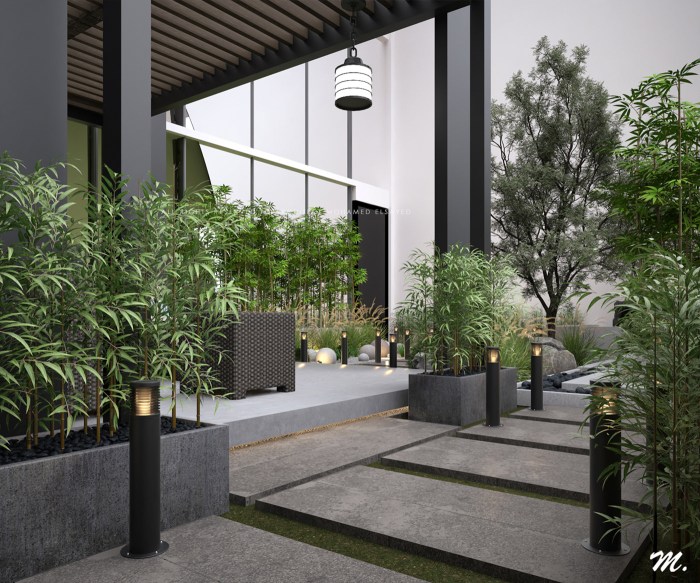
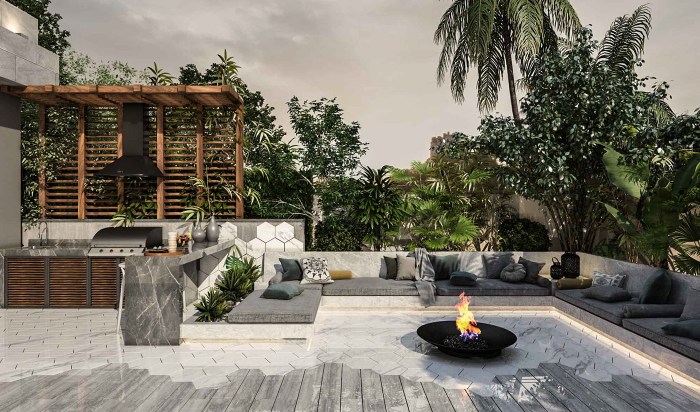
Modern minimalist design prioritizes clean lines, simple forms, and a neutral color palette. Think sleek furniture made from materials like concrete, steel, or sustainably sourced wood. Plants are often incorporated strategically, emphasizing texture and form rather than overwhelming abundance. The overall effect is one of understated elegance and tranquility. A key feature is the incorporation of built-in seating or fire pits, seamlessly integrated into the overall design.
Rustic Outdoor Spaces
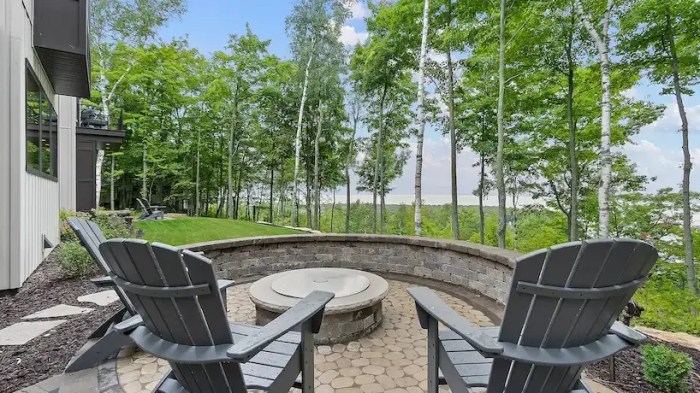
The rustic style evokes a sense of warmth and natural charm. Natural materials like weathered wood, stone, and reclaimed metal are prominent. Furniture might include oversized Adirondack chairs or a sturdy wooden picnic table. The color palette is typically earthy, featuring browns, greens, and creams. Lighting often comes from lanterns or string lights, adding to the cozy ambiance. Think of a space filled with the aroma of a crackling fire in a stone fireplace, surrounded by lush greenery.
Mediterranean Outdoor Spaces
Mediterranean style brings the warmth and vibrancy of the Mediterranean coast to your backyard. Think terracotta pots overflowing with herbs and flowers, whitewashed walls, and wrought-iron furniture. Materials such as stone, stucco, and tile are commonly used. The color palette is typically bright and sunny, incorporating shades of blue, yellow, and terracotta. A water feature, such as a fountain or small pool, can add to the relaxing atmosphere. Imagine a space filled with the scent of blooming bougainvillea and the sound of gently flowing water.
Tropical Outdoor Spaces
Tropical design brings the lush beauty of a tropical paradise to your home. This style emphasizes abundant greenery, vibrant colors, and natural materials. Think wicker furniture, bamboo accents, and a profusion of tropical plants, including palms, ferns, and orchids. The color palette is often bright and bold, featuring shades of green, turquoise, and yellow. Water features, such as a pond or waterfall, can further enhance the tropical ambiance. Visualize a space teeming with life, filled with the sounds of birdsong and the rustling of leaves.
Example: A Modern Minimalist Patio
Imagine a rectangular patio made of smooth, grey concrete. Clean-lined, charcoal-grey concrete planters hold strategically placed succulents and grasses. Two minimalist steel benches, their lines echoing the patio’s geometry, face a built-in, rectangular fire pit made of the same concrete. Subtle, integrated LED lighting provides soft illumination at night. The overall effect is one of sophisticated simplicity and calm. The space is designed for quiet contemplation and intimate gatherings.
Climate and Geographical Location’s Influence
Climate significantly impacts outdoor space design. In hot, arid climates, materials that retain less heat (like light-colored stone) and features that provide shade (like pergolas or awnings) are essential. In colder climates, sheltered spaces with fire pits or heaters are crucial for extending the usable season. Geographical location influences plant choices; native plants are more resilient and require less maintenance. Coastal areas might incorporate weather-resistant materials designed to withstand salt spray. Mountainous regions might utilize materials that blend with the natural landscape, such as local stone or wood.
Functionality and Features
Source: behance.net
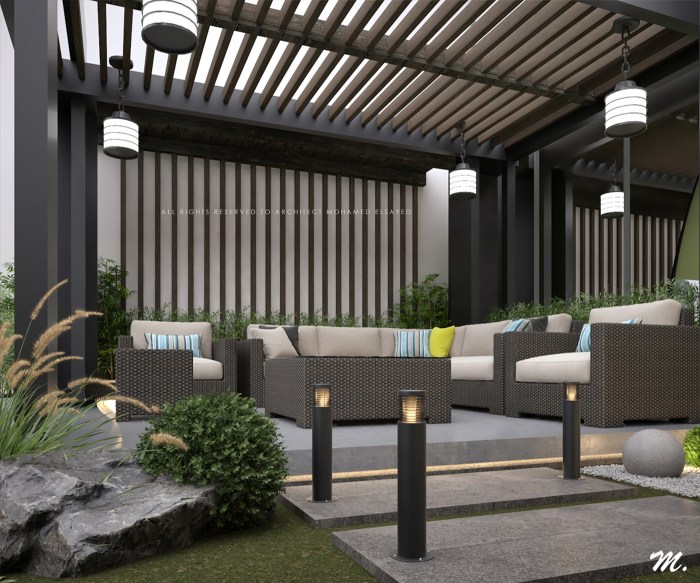
Designing a custom outdoor space goes beyond aesthetics; it’s about creating a functional extension of your home that caters to your lifestyle. The possibilities are vast, transforming your backyard into a versatile haven for relaxation, entertaining, and more. Consider how you envision using your space, and let that guide your design choices.
A well-designed outdoor space seamlessly integrates various functionalities, creating a cohesive and enjoyable environment. Technology plays an increasingly significant role in enhancing these functionalities, adding convenience and sophistication. High-end spaces often incorporate a range of features that elevate the overall experience, offering both luxury and practicality.
Outdoor Space Functionalities
Custom outdoor spaces can serve many purposes. A dining area allows for al fresco meals, creating a memorable experience. An entertainment area, perhaps with a built-in bar and fire pit, provides a setting for gatherings with friends and family. A dedicated relaxation zone, featuring comfortable seating and ambient lighting, offers a peaceful retreat. And for the green thumb, a gardening area provides space to cultivate plants and flowers. The combination of these functionalities, or a focus on just one or two, depends entirely on your personal needs and preferences.
Technology Integration in Outdoor Spaces
Smart technology significantly enhances the functionality and convenience of outdoor spaces. Smart lighting systems allow for customized lighting schemes, adjusting brightness and color temperature to suit the mood or time of day. Automated irrigation systems conserve water and ensure your plants receive the optimal amount of moisture. Integrated sound systems provide high-quality audio for background music or movie nights under the stars. Even smart climate control, through fans or misting systems, can create a more comfortable environment. These technologies add a layer of sophistication and ease of use, maximizing the enjoyment of your outdoor space.
Common Features in High-End Custom Outdoor Spaces
High-end custom outdoor spaces often include a range of premium features. Outdoor kitchens, equipped with high-quality appliances and ample counter space, offer a convenient and stylish way to prepare and serve food. Fire features, such as fireplaces, fire pits, or fire bowls, provide warmth and ambiance, extending the usability of the space into cooler months. Water features, like fountains or ponds, add a soothing soundscape and visual appeal. Pergolas or pavilions offer shade and protection from the elements. Built-in seating provides comfortable and stylish seating arrangements. High-quality materials such as natural stone, hardwood, and durable fabrics enhance both aesthetics and longevity.
- Outdoor Kitchens: Benefits include convenient food preparation and a central gathering point. Drawbacks can be higher initial costs and increased maintenance.
- Fire Features: Benefits include warmth, ambiance, and extended usability in cooler weather. Drawbacks can be safety concerns (proper installation and usage are crucial) and potential smoke issues.
- Water Features: Benefits include soothing sounds, visual appeal, and a calming atmosphere. Drawbacks can include higher maintenance (cleaning and potential repairs) and potential mosquito breeding grounds (if not properly maintained).
- Pergolas/Pavilions: Benefits include shade, protection from the elements, and a defined space. Drawbacks can include cost and potential structural issues if not properly built.
Budgeting and Cost Considerations: Custom Outdoor Spaces
Source: amazonaws.com
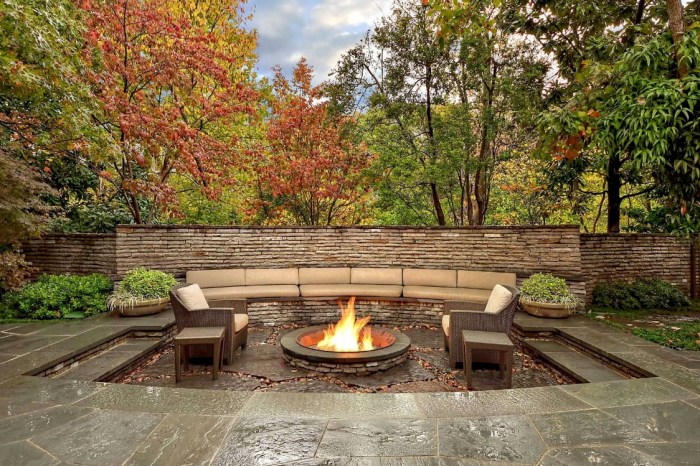
Creating a stunning custom outdoor space is an investment, and understanding the associated costs is crucial for successful planning. This section breaks down typical expenses, explores how design choices influence the budget, and offers strategies for maximizing value without sacrificing your vision. Accurate budgeting prevents unexpected expenses and ensures a smooth project execution.
Typical Cost Breakdown
The cost of a custom outdoor space varies significantly based on location, materials, complexity, and labor rates. However, a general breakdown can help you estimate your project’s budget. The following table provides a rough estimate of cost categories and their potential ranges, remember these are averages and can fluctuate based on your specific project.
| Category | Material Costs | Labor Costs | Total Estimated Range |
|---|---|---|---|
| Hardscaping (Patios, walkways) | $5 – $20 per sq ft (depending on material: concrete, pavers, stone) | $10 – $30 per sq ft (depending on complexity and labor rates) | $15 – $50 per sq ft |
| Landscaping (Plants, soil, mulch) | $5 – $25 per sq ft (depending on plant choices and quantity) | $5 – $15 per sq ft (depending on scope of work) | $10 – $40 per sq ft |
| Outdoor Structures (Pergolas, sheds) | $1000 – $10,000+ (depending on size and materials) | $1000 – $5000+ (depending on complexity and labor rates) | $2000 – $15,000+ |
| Lighting & Electrical | $200 – $2000+ (depending on fixture choices and quantity) | $500 – $2000+ (depending on the complexity of installation) | $700 – $4000+ |
| Furniture & Accessories | Variable (depending on style and quality) | Typically minimal labor costs unless custom-built | Variable |
Design Choices and Budget Impact
Material selection significantly impacts the overall cost. For example, choosing natural stone pavers instead of concrete will increase material costs, but it may also reduce long-term maintenance expenses. Similarly, opting for high-end outdoor furniture will inflate the budget compared to more budget-friendly options. Complex designs requiring extensive excavation or intricate construction will also drive up labor costs. A simple patio design will be considerably less expensive than a multi-level space with retaining walls and water features.
Budget Optimization Strategies
Prioritizing essential elements and strategically selecting materials allows for budget optimization. Consider using a mix of high-end and budget-friendly materials. For instance, use high-quality materials for focal points and more affordable options for less prominent areas. DIY tasks where possible, such as painting or staining, can also help reduce labor costs. Staggering project phases, completing some aspects yourself, and seeking multiple contractor quotes can also yield significant savings. For example, instead of building everything at once, you could start with a basic patio and add features like a pergola or fire pit later.
Maintenance and Upkeep
Source: franciscosegarra.com
Creating a beautiful custom outdoor space is only half the battle; maintaining its beauty and functionality is crucial for long-term enjoyment. Regular upkeep not only preserves your investment but also ensures safety and extends the lifespan of your materials and features. Ignoring maintenance can lead to costly repairs and even structural damage down the line.
Maintenance Checklist for Different Outdoor Spaces
A well-structured maintenance schedule is essential. The frequency and specific tasks will vary depending on your climate, the materials used, and the features included in your design. The following Artikels a basic framework; you should adapt it to your specific needs.
- Patios and Decks: Weekly sweeping or brushing to remove debris. Monthly inspection for loose boards, cracks, or damage. Annual cleaning with a suitable deck cleaner and sealant application (every 2-3 years depending on the sealant type and exposure to the elements).
- Pergolas and Arbors: Regular inspection for loose screws, rotting wood, or insect infestations. Annual cleaning and treatment with a wood preservative. Consider repainting or restaining every 3-5 years depending on the paint/stain type and sun exposure.
- Outdoor Kitchens: Daily cleaning of grills and cooking surfaces. Weekly cleaning of countertops and storage areas. Monthly inspection of appliances and gas lines (professional inspection annually recommended). Annual deep cleaning of the entire area.
- Landscaping: Regular weeding and watering (frequency depends on your climate and plant choices). Pruning and trimming as needed. Annual fertilization and soil amendment. Leaf removal in the fall.
- Pools and Spas: Daily chemical balancing and skimming. Weekly vacuuming and brushing. Monthly filter cleaning. Annual professional cleaning and inspection.
Long-Term Cost Implications of Material and Feature Choices
The initial cost of building your outdoor space is just one part of the equation. The long-term maintenance costs associated with different materials and features can significantly impact your overall budget. For example, a cedar deck, while initially more expensive than a pressure-treated pine deck, may require less frequent staining and offer a longer lifespan, reducing overall long-term costs. Conversely, a complex water feature might require significant ongoing maintenance, including pump repairs, filter replacements, and professional cleaning, adding substantially to the annual budget. Similarly, intricate stonework might be expensive to repair if damaged. Careful consideration of these factors during the design phase is essential.
Sustainable Practices for Minimizing Maintenance and Environmental Impact
Sustainable design practices can significantly reduce both maintenance requirements and environmental impact. Choosing durable, low-maintenance materials like composite decking or sustainably harvested wood minimizes the need for frequent repairs and replacements. Selecting drought-tolerant plants reduces water consumption and the need for frequent watering. Installing rainwater harvesting systems can provide a sustainable source of irrigation. Using eco-friendly cleaning products minimizes the use of harsh chemicals and their impact on the environment. Composting food scraps and yard waste reduces landfill waste and creates nutrient-rich soil for your plants. By integrating these practices into your design, you can create a beautiful and environmentally responsible outdoor space that requires less maintenance and has a smaller carbon footprint.
Conclusive Thoughts
Source: amazonaws.com
Creating a custom outdoor space is an investment in your home and your well-being. By carefully considering design elements, functionality, budget, and long-term maintenance, you can craft an outdoor oasis that reflects your style and enhances your quality of life. Remember to prioritize your needs, explore various design styles, and don’t be afraid to get creative – the possibilities are as vast as your imagination! Let your outdoor space become a true reflection of you.