Outdoor Kitchen Living Spaces Design & Enjoy
Outdoor kitchen living spaces are transforming backyards into vibrant extensions of the home. Imagine sizzling steaks under the stars, and enjoying cocktails with friends, all within a stylish and functional outdoor kitchen. This guide walks you through designing, building, and maintaining your own perfect outdoor culinary haven, covering everything from layout and appliance choices to stylish aesthetics and practical maintenance tips.
We’ll explore various design styles, from minimalist modern to rustic charm, helping you choose materials and features that perfectly complement your home and lifestyle. Learn how to incorporate weather-resistant elements, ensure safety, and maximize energy efficiency while creating a space that’s both beautiful and functional. Get ready to create your dream outdoor kitchen!
Defining Outdoor Kitchen Living Spaces
Source: com.au
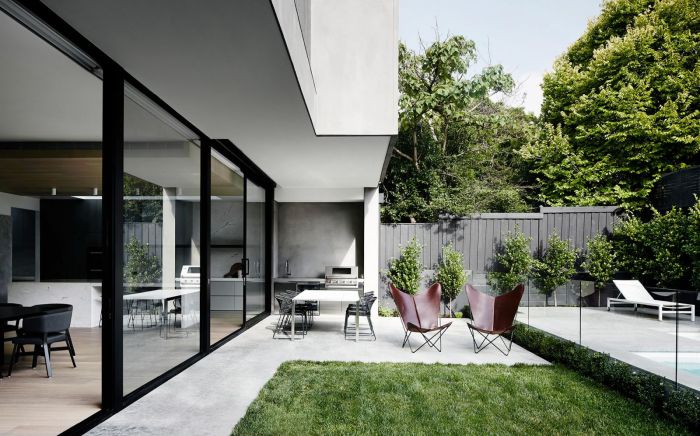
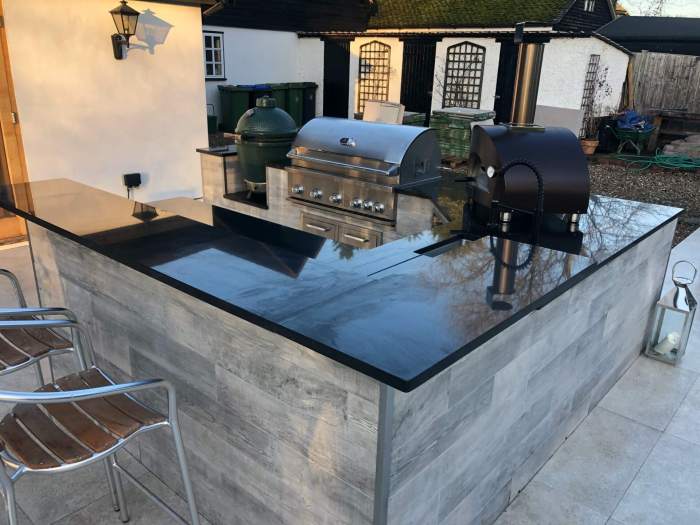
An outdoor kitchen is more than just a grill on a patio; it’s a fully functional cooking and entertaining area seamlessly integrated into your outdoor living space. It elevates the backyard experience, transforming it into an extension of your indoor home, perfect for casual gatherings or elaborate feasts. The key differentiator lies in its comprehensive design and functionality, offering a level of sophistication and convenience not found in a typical patio setup.
Outdoor kitchen living spaces encompass a variety of styles and designs, catering to diverse tastes and budgets. The features that define them go beyond mere appliances; they include thoughtful design elements that enhance both practicality and aesthetic appeal.
Styles of Outdoor Kitchen Living Spaces
The design possibilities for outdoor kitchens are virtually limitless. Minimalist designs emphasize clean lines and simple functionality, often featuring a single grill and a small countertop. These kitchens are ideal for smaller spaces or those who prefer a less elaborate setup. In contrast, luxurious outdoor kitchens might include multiple grills, ovens, refrigerators, sinks, and even pizza ovens, all integrated into a sophisticated structure with high-end materials and custom cabinetry. Think of a built-in, stone-clad kitchen with professional-grade appliances, complete with a bar area and comfortable seating. Somewhere in between lies a vast spectrum of styles, incorporating elements of both minimalism and luxury to suit individual needs and preferences. For example, a Mediterranean-style outdoor kitchen might use terracotta tiles and stucco, while a modern design could incorporate sleek stainless steel and concrete.
Materials Used in Outdoor Kitchen Construction
The choice of materials significantly impacts the longevity, aesthetics, and overall cost of your outdoor kitchen. Durable and weather-resistant materials are crucial. Brick offers a classic and timeless look, providing excellent durability and a wide range of color options. Natural stone, such as granite or limestone, adds a touch of elegance and sophistication, while also being highly resistant to the elements. Stainless steel is a popular choice for countertops and appliances due to its hygiene, durability, and modern aesthetic. Other options include concrete, which is cost-effective and versatile, and wood, which adds warmth but requires more maintenance. The selection often depends on personal preference, budget, and the overall style of the outdoor space.
Essential Appliances and Equipment, Outdoor kitchen living spaces
The core of any outdoor kitchen is its appliances. A high-quality grill is essential, whether gas, charcoal or even wood-fired. Many kitchens also incorporate a refrigerator for storing drinks and ingredients, a sink for easy cleanup, and ample counter space for food preparation. Depending on the scale and ambition of the project, you might also include an outdoor oven, a pizza oven, a warming drawer, or even a built-in ice maker. In addition to appliances, essential equipment includes appropriate lighting, storage solutions (cabinets, drawers), and a comfortable seating area to maximize the enjoyment of the space. Consider weather protection features like a pergola or retractable awning for extended usability throughout the year.
Design and Layout Considerations
Source: cloudfront.net
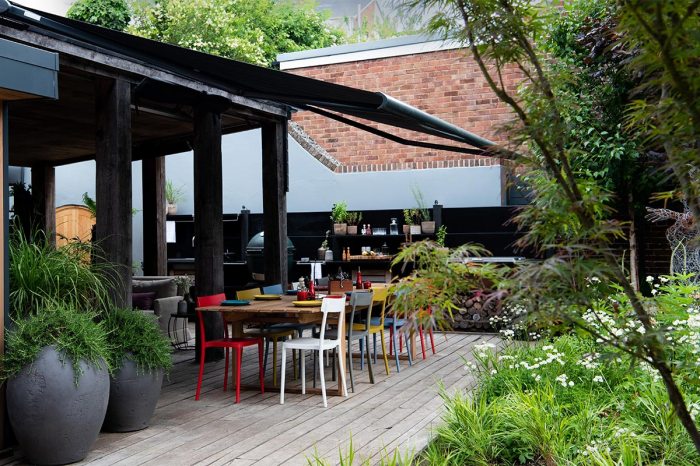
Designing your outdoor kitchen involves more than just picking out a grill. Careful planning ensures a functional and aesthetically pleasing space that you’ll enjoy for years to come. This section will guide you through key design and layout considerations, helping you create the perfect outdoor culinary haven.
Outdoor Kitchen Layouts for Different Spaces
Creating a well-functioning outdoor kitchen depends heavily on its size. Here are three sample layouts catering to small, medium, and large spaces, demonstrating efficient appliance placement and workflow. Remember, these are just starting points; adapt them to your specific needs and preferences.
| Feature | Small Space Layout (e.g., 8ft x 8ft) | Medium Space Layout (e.g., 12ft x 12ft) | Large Space Layout (e.g., 16ft x 16ft) |
|---|---|---|---|
| Grill | Built-in compact grill | Built-in standard grill | Built-in grill island with multiple burners and side burner |
| Counter Space | Small countertop with sink | Larger countertop with sink and prep area | Large L-shaped countertop with sink, prep area, and additional seating |
| Storage | Under-counter drawers | Under-counter cabinets and drawers | Separate storage unit with cabinets and drawers |
| Refrigerator | Small, portable refrigerator | Built-in mini-refrigerator | Built-in full-size refrigerator |
| Sink | Single-basin sink | Double-basin sink | Double-basin sink with garbage disposal |
Factors to Consider When Designing an Outdoor Kitchen
Several critical factors influence the success of your outdoor kitchen design. Careful consideration of these elements will lead to a more enjoyable and functional space.
- Climate: Materials must withstand extreme temperatures, humidity, and precipitation. Consider shading and weather protection.
- Accessibility: Ensure easy access for all users, including those with mobility challenges. Proper pathways and ample space are crucial.
- Safety: Install fire-resistant materials, adequate lighting, and GFCI-protected outlets. Consider the placement of grills and hot surfaces to prevent burns.
- Budget: Establish a realistic budget early on. Prices for materials and appliances vary significantly.
- Local Regulations: Check local building codes and permits before starting construction.
- Maintenance: Choose low-maintenance materials to minimize upkeep. Consider the cleaning requirements of your chosen appliances and surfaces.
Kitchen Island Designs for Outdoor Spaces
Outdoor kitchen islands offer both functionality and style. However, different designs have distinct advantages and disadvantages.
- Built-in Islands: Pros: Permanent, integrated look; Cons: Expensive, less flexible.
- Freestanding Islands: Pros: Portable, adaptable; Cons: Can be less stable, may require more space.
- Modular Islands: Pros: Customizable, easily expanded; Cons: May require more assembly, potential for gaps between modules.
Integrating Outdoor Kitchens with Landscaping and Architectural Styles
A successful outdoor kitchen blends seamlessly with its surroundings. Consider these integration strategies:
- Matching Materials: Use materials consistent with your home’s exterior, such as stone, brick, or wood. A Mediterranean-style home might incorporate terracotta tiles and stucco, while a modern home could use sleek concrete and stainless steel.
- Landscaping Integration: Incorporate plants and flowers around the kitchen to soften its appearance and create a relaxing atmosphere. Consider using drought-tolerant plants in dry climates.
- Lighting Design: Well-placed lighting enhances both functionality and ambiance. String lights, path lighting, and under-cabinet lighting create a welcoming atmosphere.
Functionality and Features
Source: allaboutoutdoorliving.com
Creating a truly functional and enjoyable outdoor kitchen requires careful consideration of materials, safety, and energy efficiency. This section will delve into the practical aspects of designing and building an outdoor kitchen that’s both beautiful and built to last. We’ll explore essential features and innovative additions to enhance your outdoor cooking experience.
Weather-Resistant Materials and Features
The outdoor environment presents unique challenges. Exposure to sun, rain, wind, and temperature fluctuations demands the use of durable, weather-resistant materials. Stainless steel appliances and countertops are popular choices due to their resistance to rust and corrosion. For cabinetry, consider materials like treated lumber, marine-grade plywood, or composite materials specifically designed for outdoor use. These materials require minimal maintenance and can withstand harsh weather conditions. Protecting the kitchen from the elements is also crucial. A roof or pergola provides shade and shelter from rain, while strategically placed screens or curtains can help block wind and provide privacy. Careful consideration of these elements ensures longevity and functionality.
Essential Safety Features
Safety should be a top priority in any outdoor kitchen design. Proper installation and maintenance of gas lines are paramount. All gas connections should be made by a qualified professional, and regular inspections are recommended to prevent leaks. Marked shutoff valves should be easily accessible. Similarly, electrical wiring must be properly protected from the elements using weatherproof outlets and junction boxes. Ground fault circuit interrupters (GFCIs) are essential to prevent electrical shocks. Adequate lighting is crucial for nighttime use, and placement should consider minimizing glare and maximizing visibility. Finally, consider fire safety; keep a fire extinguisher readily available and ensure sufficient clearance around grills and other heat sources.
Energy-Efficient Appliances and Sustainable Practices
Incorporating energy-efficient appliances reduces your environmental impact and lowers operating costs. Look for appliances with Energy Star ratings, indicating they meet energy efficiency guidelines. Consider using LED lighting instead of incandescent bulbs for significant energy savings. Sustainable practices extend beyond appliances. Using reclaimed or recycled materials in construction minimizes waste. Selecting locally sourced materials reduces transportation emissions. Water conservation is also important; consider installing a low-flow faucet and using drought-tolerant landscaping around the outdoor kitchen.
Innovative Features to Enhance Functionality
Many innovative features can elevate your outdoor kitchen experience. Built-in refrigeration keeps food and drinks cool without cluttering the space. A pizza oven adds a fun and delicious dimension to outdoor cooking. Integrated sinks make cleanup easier, and warming drawers help keep food at the perfect temperature. Outdoor kitchens can also incorporate features like a built-in ice maker, a wine cooler, or even a kegerator for dispensing beer. The possibilities are endless, depending on your budget and preferences. These additions not only enhance functionality but also significantly increase the enjoyment of the space.
Ambiance and Aesthetics: Outdoor Kitchen Living Spaces
Source: brownjordanoutdoorkitchens.com
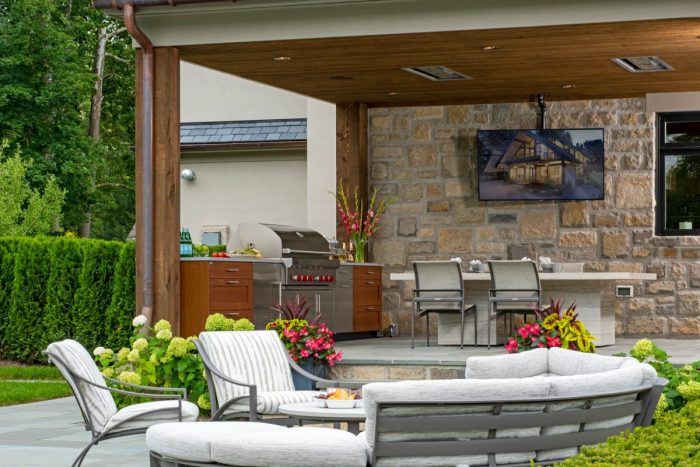
Creating the perfect outdoor kitchen involves more than just functionality; it’s about crafting a space that feels inviting, stylish, and uniquely yours. The ambiance and aesthetics play a crucial role in transforming your outdoor cooking area into a true extension of your home, a place where you’ll want to spend time with family and friends. Careful consideration of lighting, materials, and overall design style will help achieve this.
Lighting is key to setting the mood and ensuring safety in your outdoor kitchen. Different lighting options offer various levels of ambiance and functionality.
Outdoor Kitchen Lighting Options
Strategic lighting is essential for both functionality and atmosphere. Think layered lighting—a combination of ambient, task, and accent lighting—for the best results. Ambient lighting provides overall illumination, task lighting focuses on specific work areas like the grill or prep zone, and accent lighting highlights architectural features or landscaping.
- Ambient Lighting: String lights draped overhead to create a warm, inviting glow, perfect for evening gatherings. Recessed lighting in the ceiling or soffits provides a more subtle, even illumination. Path lighting guides guests safely around the space.
- Task Lighting: Under-cabinet lighting illuminates countertops, making food preparation easier and safer. Adjustable spotlights focused on the grill area ensure you can see what you’re cooking, even at night.
- Accent Lighting: Uplighting on plants or architectural features adds drama and visual interest. Integrated LED strips within countertops or built-in seating can create a subtle, modern feel.
Design Elements for Aesthetic Appeal
The materials you choose significantly impact the overall look and feel of your outdoor kitchen. Consider durability, maintenance, and aesthetic harmony with your home and surrounding landscape.
- Flooring: Durable pavers, natural stone (like flagstone or slate), or concrete offer both style and longevity. Consider the climate and foot traffic when making your selection.
- Countertops: Granite, quartz, stainless steel, and even concrete offer a range of styles and price points. Stainless steel is highly durable and easy to clean, while natural stone adds a touch of elegance.
- Backsplashes: Tile backsplashes provide protection and add visual interest. Consider using materials that complement your countertops and flooring, such as coordinating tiles, natural stone, or even metal panels.
- Cabinets: Choose cabinets that are weather-resistant and aesthetically pleasing. Wood, metal, and composite materials are popular choices. Consider the style of your home when selecting cabinet colors and finishes.
Incorporating Different Design Styles
The style of your outdoor kitchen should reflect your taste and complement your home’s architecture. Here are a few popular design styles and how to incorporate them.
- Rustic: Use natural materials like wood, stone, and reclaimed wood. Incorporate wrought iron accents and warm lighting. A stone fireplace or wood-fired oven adds to the rustic charm.
- Modern: Clean lines, sleek surfaces, and minimalist design are key. Use stainless steel appliances, concrete countertops, and geometric patterns. Incorporate LED lighting for a contemporary feel.
- Mediterranean: Warm earth tones, terracotta tiles, and stucco walls create a relaxed, inviting atmosphere. Incorporate arched doorways, wrought iron details, and plenty of plants. Use warm-toned lighting to enhance the ambiance.
Creating a Visually Appealing Outdoor Kitchen: A Step-by-Step Guide
Designing a stunning outdoor kitchen is a process that benefits from a well-defined plan. Follow these steps for a visually appealing and functional space.
- Planning and Design: Start with a detailed plan, including measurements, appliance placement, and desired features. Consider the flow of traffic and the overall aesthetic you want to achieve. Sketch your design or use design software to visualize your ideas.
- Material Selection: Choose durable, weather-resistant materials that complement your home’s style and the surrounding landscape. Consider the maintenance requirements of each material before making your selection.
- Appliance Selection: Select high-quality appliances that are designed for outdoor use. Consider the size and placement of each appliance to ensure optimal functionality and workflow.
- Lighting and Electrical: Plan your lighting scheme carefully, incorporating ambient, task, and accent lighting. Ensure you have adequate electrical outlets and wiring to power your appliances and lighting.
- Construction and Installation: Work with qualified professionals to ensure proper construction and installation of your outdoor kitchen. Follow all building codes and safety regulations.
- Finishing Touches: Add finishing touches such as landscaping, outdoor furniture, and decorative accents to complete the look. Consider adding comfortable seating areas and plants to create a welcoming atmosphere.
Maintenance and Care
Source: com.au
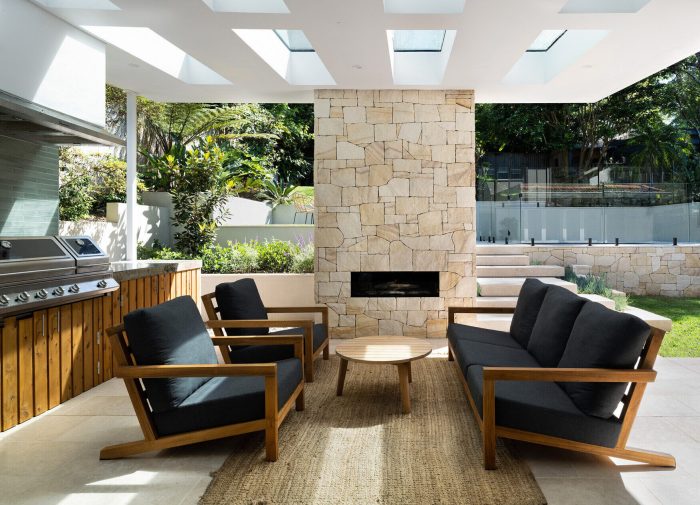
Keeping your outdoor kitchen in top shape requires a regular maintenance schedule. Neglecting this can lead to costly repairs and shorten the lifespan of your investment. This section Artikels a practical approach to maintaining the various components of your outdoor kitchen, ensuring years of enjoyable use.
Appliance Maintenance Schedule
A consistent maintenance plan for your outdoor appliances is crucial. This includes regular cleaning, inspections, and occasional professional servicing. Failing to do so can lead to malfunctions, safety hazards, and reduced efficiency. For example, a clogged grill burner can lead to uneven cooking, while a faulty gas line could be dangerous.
- Grills: Clean the grates after each use with a grill brush. Inspect burners and igniters for clogs or damage. Consider professional cleaning and inspection annually.
- Refrigerators: Clean the interior and exterior regularly. Check seals for leaks and ensure proper ventilation. Professional servicing might be needed every 2-3 years depending on usage.
- Dishwashers: Run a cleaning cycle monthly using a dishwasher cleaner. Check the spray arms for clogs and the drain for blockages. Professional service may be required every 3-5 years.
Countertop Care
Different countertop materials require different care routines. Understanding these differences will help you preserve the beauty and functionality of your outdoor kitchen surfaces. For example, granite requires sealing periodically, while stainless steel needs regular cleaning to prevent staining.
- Granite: Seal annually to prevent staining. Clean spills immediately. Use a mild cleaner and avoid abrasive cleaners.
- Stainless Steel: Clean regularly with a non-abrasive cleaner and a soft cloth. Avoid harsh chemicals. Polish occasionally to maintain shine.
- Concrete: Seal periodically to protect against staining and weathering. Clean spills promptly. Use a sealant specifically designed for outdoor concrete.
Cabinetry Maintenance
Outdoor kitchen cabinetry is exposed to the elements, so regular cleaning and protection are vital. This prevents damage from moisture, sun, and pests. For example, untreated wood cabinets are prone to rotting if not properly sealed and maintained.
- Wood: Regularly clean with a mild soap and water solution. Apply a protective sealant every 1-2 years depending on climate and exposure. Inspect for signs of rot or insect damage.
- Metal: Clean regularly with a suitable cleaner for the type of metal. Inspect for rust or corrosion and address promptly. Consider touch-up paint if necessary.
- Composite: Clean with mild soap and water. Inspect for damage and repair as needed. Many composite materials are resistant to moisture and require minimal maintenance.
Common Problems and Solutions
Knowing common outdoor kitchen issues and their solutions can save you time, money, and frustration. For instance, clogged drains are a common problem easily solved with a drain cleaner or plumber’s snake.
- Clogged Drains: Use a drain cleaner or a plumber’s snake. Prevent clogs by regularly cleaning debris from the drain.
- Rust: Address rust immediately by cleaning and applying a rust inhibitor or protective coating. Prevention is key: use rust-resistant materials and ensure proper ventilation.
- Insect Infestation: Regularly inspect for signs of insects. Use appropriate insecticides and seal any cracks or crevices where insects might enter.
Protecting Surfaces from the Elements
Regular cleaning and protection from the elements are paramount for the longevity of your outdoor kitchen. This includes shielding surfaces from harsh weather conditions, such as rain, sun, and extreme temperatures. For instance, covering your grill when not in use helps prevent rust and damage.
- Regular Cleaning: Remove dirt, debris, and spills promptly to prevent staining and damage. Use appropriate cleaning solutions for different materials.
- Weather Protection: Cover appliances and countertops when not in use, especially during inclement weather. Consider using weather-resistant covers designed for outdoor kitchens.
- UV Protection: Use UV-resistant sealants and coatings to protect surfaces from sun damage. This is particularly important for wood and composite materials.
Last Word
Source: addstyle.net
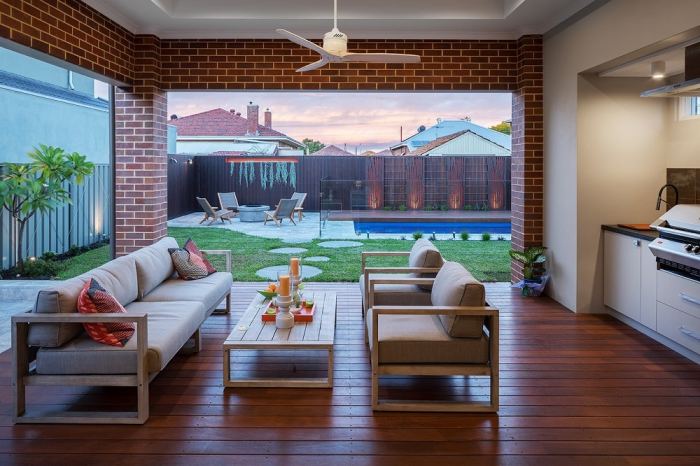
Creating an outdoor kitchen is more than just adding appliances to your patio; it’s about extending your living space and enhancing your lifestyle. By carefully considering design, functionality, and aesthetics, you can build a truly unique and enjoyable outdoor cooking and entertaining area. Remember to prioritize safety, weather resistance, and sustainable practices throughout the process. With the right planning and execution, your outdoor kitchen will become a cherished gathering spot for years to come, a place where memories are made and delicious food is shared.