Commercial Security Gate Systems A Comprehensive Guide
Commercial security gate systems are essential for protecting businesses and facilities. They offer a range of solutions, from simple swing gates to sophisticated automated barriers integrated with advanced access control and surveillance technologies. This guide explores the various types of systems, their security features, installation, maintenance, and the factors to consider when choosing the right system for your needs. We’ll also delve into safety regulations, cost considerations, and exciting future trends shaping this critical area of security.
Understanding the nuances of commercial security gate systems is vital for any business owner prioritizing safety and security. From choosing the appropriate gate type (swing, sliding, bollard, or rising arm) to integrating access control systems and ensuring compliance with regulations, this guide provides a practical and informative overview. We’ll cover everything from initial planning and budgeting to ongoing maintenance and troubleshooting, empowering you to make informed decisions that enhance your facility’s security posture.
Types of Commercial Security Gate Systems
Source: securitygatesrus.com
Choosing the right security gate system for your commercial property depends on several factors, including the level of security needed, the budget, and the site’s layout. Different gate types offer varying degrees of protection and operational characteristics. Let’s explore some popular options.
Swing Gates
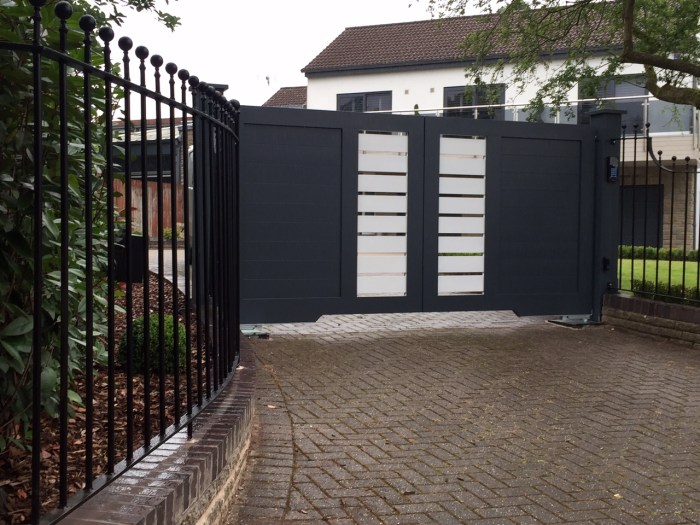
Swing gates, the most traditional type, consist of two leaves that swing inward or outward. They are relatively simple to install and maintain, making them a cost-effective choice for many applications. However, they require ample space to open fully, which can be a limiting factor in areas with limited space. Their security is enhanced with robust hinges, locking mechanisms, and potentially embedded sensors to detect unauthorized access attempts. Weaknesses include vulnerability to forceful entry if the gate itself is not sufficiently strong or the locking mechanism is weak.
Sliding Gates
Sliding gates move horizontally along a track, requiring less space than swing gates. This makes them ideal for areas with limited space or high traffic flow. They can be made from various materials, including steel and aluminum, and can be motorized for convenient operation. Sliding gates often incorporate photoelectric sensors to prevent accidents and can be integrated with access control systems for enhanced security. However, they can be more complex and expensive to install than swing gates, and the track system can be vulnerable to damage or obstruction.
Bollards
Bollards are short, vertical posts used to control vehicle access. They can be fixed, retractable, or removable, offering varying levels of security. Fixed bollards provide a permanent barrier, while retractable bollards can be raised or lowered to allow authorized vehicles to pass. They are highly effective at preventing unauthorized vehicle entry but offer limited pedestrian control. Bollards are relatively low maintenance and come in various materials, including steel, concrete, and even decorative options. The security level depends heavily on the bollard’s material strength and installation method.
Rising Arm Barriers
Rising arm barriers consist of a horizontal arm that rises to block vehicle access. These are commonly seen at parking garages and secure facilities. They offer a relatively high level of security, as the arm can be quite substantial and can be integrated with access control systems for authorized entry. Motorized versions offer convenient operation and can be programmed to automatically raise and lower the arm at specific times or in response to triggered events. However, they are more expensive than other gate types and require more complex installation and maintenance. Their effectiveness depends on the arm’s strength and the security of the control system.
Comparison of Commercial Security Gate Systems
Here’s a table summarizing the key differences between these gate types:
| Gate Type | Material | Power Source | Approximate Cost Range |
|---|---|---|---|
| Swing Gate | Steel, Aluminum, Wrought Iron | Manual, Electric, Hydraulic | $500 – $10,000+ |
| Sliding Gate | Steel, Aluminum | Electric, Hydraulic | $1,000 – $20,000+ |
| Bollards | Steel, Concrete, Reinforced Plastic | Manual (removable), Hydraulic (retractable) | $100 – $5,000+ per bollard |
| Rising Arm Barrier | Steel, Aluminum | Electric, Hydraulic | $2,000 – $15,000+ |
Security Features and Technologies
Source: securitygatesrus.com
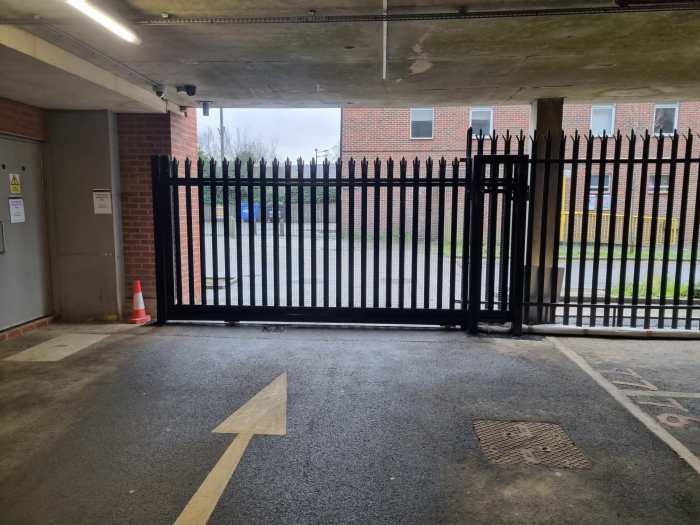
Commercial security gate systems are more than just barriers; they’re integrated security solutions. Their effectiveness hinges on a robust combination of access control, surveillance, and emergency mechanisms working in concert to protect your property and personnel. Let’s delve into the specific technologies that elevate these systems beyond simple gates.
Integrating access control with your gate system is crucial for managing who enters and exits your premises. This ensures that only authorized personnel gain access, significantly improving security. This integration often involves a variety of technologies, each offering different levels of security and convenience.
Access Control Methods, Commercial security gate systems
Access control systems provide the brains of your gate operation. They determine who is allowed entry based on pre-defined credentials. Common methods include card readers, biometric scanners, and keypad entry. Card readers utilize proximity cards or fobs to verify identity, offering a balance of security and ease of use. Biometric scanners, such as fingerprint or iris scanners, provide a higher level of security as they verify unique biological traits. Keypad entry systems require users to input a numerical code, a simpler option but susceptible to unauthorized access if the code is compromised. Each method has its strengths and weaknesses, and the best choice depends on your specific security needs and budget. For instance, a high-security facility might prefer biometric scanners, while a smaller business might find card readers sufficient.
Surveillance and Security Technologies
Surveillance cameras play a vital role in enhancing the security of commercial gate systems. These cameras, often integrated with video analytics, provide real-time monitoring of gate activity, allowing for immediate response to suspicious behavior. The footage serves as valuable evidence in case of security breaches or incidents. Integration with other security technologies, such as intrusion detection systems, further enhances the overall security posture. For example, if an intrusion is detected near the gate, the system can automatically trigger an alarm and alert security personnel, while simultaneously recording the event on camera. This integrated approach ensures a comprehensive and proactive security solution.
Emergency Release Mechanisms
Emergency release mechanisms are critical safety features in commercial security gate systems. These mechanisms allow for quick access in emergencies, such as fire or medical emergencies, ensuring the safety of personnel and minimizing potential harm. These can range from manual override switches to power backup systems that keep the gate operational even during power outages. The specific implementation depends on the gate type and the local safety regulations. For instance, a large industrial gate might require a robust backup power system, whereas a smaller gate might simply have a readily accessible manual release lever. Regular testing and maintenance of these mechanisms are crucial to ensure they function properly when needed. Failing to have a reliable emergency release system can have serious consequences.
Installation and Maintenance
Source: securitygatesrus.com
Getting your commercial security gate system up and running smoothly involves careful planning and execution during installation, followed by consistent maintenance to ensure long-term performance and security. This section details both processes, providing you with the information needed for a successful implementation and upkeep.
Gate System Installation
Professional installation is strongly recommended for commercial security gate systems. Improper installation can compromise security, void warranties, and potentially lead to safety hazards. The following steps Artikel a typical installation process, but specific procedures may vary depending on the system’s complexity and site conditions.
- Site Survey and Planning: A thorough assessment of the installation location is crucial. This includes measuring the gate opening, identifying power sources, assessing ground conditions, and planning for any necessary excavation or concrete work. Consider factors like traffic flow, visibility, and potential obstructions.
- Foundation Preparation: A stable foundation is paramount. This may involve pouring a concrete base for the gate posts, ensuring they are level and plumb. The foundation’s strength directly impacts the gate’s longevity and operational reliability.
- Post Installation: The gate posts are installed securely in the prepared foundation. Accurate placement is vital for proper gate operation and alignment. Use appropriate anchoring methods to ensure stability and resistance to strong winds or impacts.
- Gate Installation: The gate itself is carefully hung on the posts, ensuring smooth and effortless movement. Precise adjustments are made to ensure proper alignment and clearance. This step requires specialized tools and expertise.
- Hardware and Accessory Installation: This includes installing the motor, control unit, sensors, safety devices (such as photocells and pressure sensors), and any additional security features like access control systems. All components should be correctly wired and connected according to the manufacturer’s instructions.
- Wiring and Connections: This is a critical stage requiring electrical expertise. All wiring must be correctly routed and connected to the power supply and control unit. Proper grounding is essential for safety and to prevent electrical interference.
- Testing and Calibration: After installation, the entire system undergoes rigorous testing to ensure all components function correctly. This involves testing the gate’s opening and closing mechanisms, sensors, and safety features. Calibration is performed to optimize performance and ensure smooth operation.
- Final Inspection and Documentation: A final inspection is conducted to verify that the system meets all safety and security requirements. Complete documentation, including installation diagrams and system specifications, should be provided.
Gate System Maintenance
Regular maintenance is vital for ensuring the continued smooth and secure operation of your commercial security gate system. Neglecting maintenance can lead to malfunctions, security breaches, and costly repairs.
A comprehensive maintenance program should include both preventative and corrective measures. Preventative maintenance focuses on regular inspections and cleaning to prevent problems, while corrective maintenance addresses issues as they arise.
Routine Inspection and Maintenance Checklist
Regular inspections are key to identifying potential problems before they escalate. This checklist provides a framework for routine maintenance tasks.
- Visual Inspection: Check for any signs of damage to the gate, posts, or hardware (e.g., cracks, rust, loose bolts).
- Gate Movement: Test the gate’s opening and closing mechanism, checking for smooth operation and proper alignment.
- Sensor Functionality: Test all sensors (photocells, pressure sensors) to ensure they are functioning correctly and providing adequate safety.
- Lubrication: Lubricate moving parts (hinges, rollers, tracks) with an appropriate lubricant to reduce friction and wear.
- Electrical Connections: Inspect all electrical connections for tightness and corrosion. Ensure proper grounding.
- Control Unit: Check the control unit for any error messages or malfunctions. Consult the manufacturer’s manual for troubleshooting guidance.
- Safety Devices: Verify that all safety devices are functioning correctly and providing adequate protection.
- Cleaning: Clean the gate and surrounding area to remove debris and prevent obstructions.
Applications and Use Cases
Source: controlledaccesssystems.com
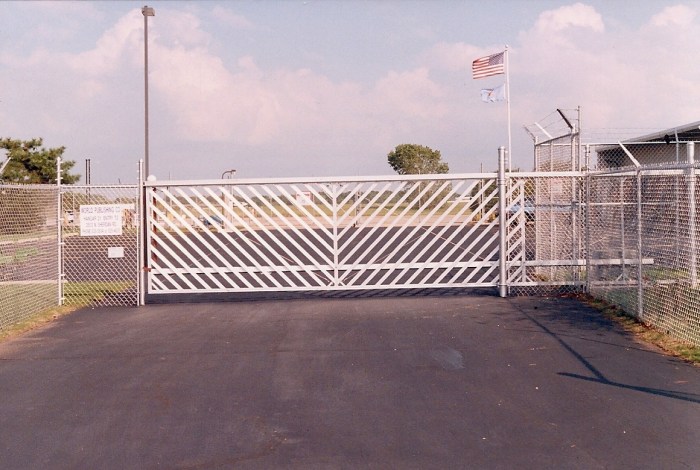
Commercial security gate systems are essential for controlling access and enhancing security in a wide variety of settings. The specific type of gate system chosen depends heavily on the unique security needs and the overall environment of the location. Factors such as the level of security required, the volume of traffic, and the aesthetic considerations of the site all play a role in system selection.
Choosing the right gate system is crucial for both safety and efficiency. An improperly chosen system can lead to security breaches, operational inefficiencies, and even safety hazards. Understanding the different applications and use cases helps businesses and organizations make informed decisions that best protect their assets and personnel.
Corporate Office Security
Corporate offices often require a balance between security and ease of access for employees and visitors. Commonly used systems include card readers integrated with automated gates, allowing authorized personnel to enter quickly and easily. More secure facilities may employ higher-level security measures like biometric scanners or security guard monitoring in conjunction with the gates. These systems help control access to sensitive areas and protect valuable equipment and information. For example, a high-rise office building might use a combination of turnstiles at the main entrance and card-reader-controlled gates at individual floor access points.
Industrial Facility Security
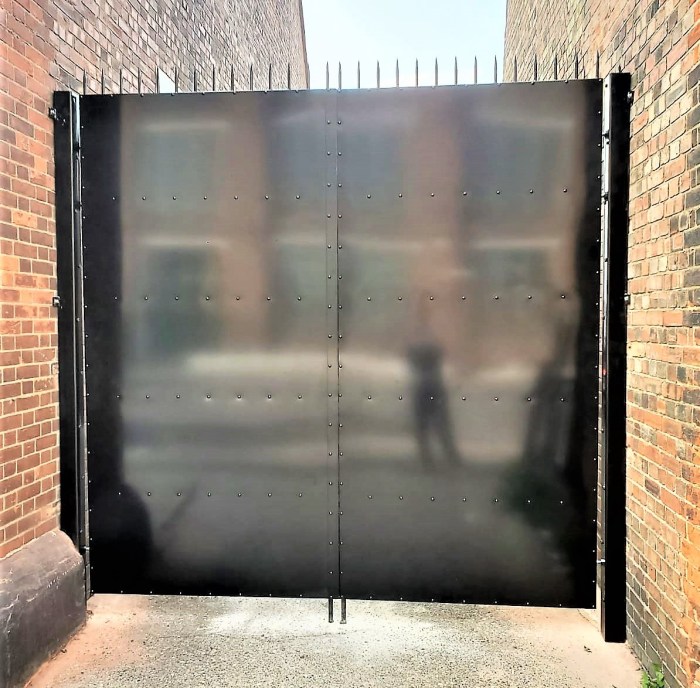
Industrial facilities, often containing hazardous materials or expensive equipment, demand robust security measures. Heavy-duty gates, often with reinforced construction and integrated security features like alarm systems and surveillance cameras, are commonly employed. These systems can be designed to withstand attempts at forced entry and can integrate with wider facility security systems. A chemical plant, for instance, might use a combination of high-security gates, perimeter fencing, and CCTV surveillance to control access and monitor activity.
Residential Complex Security
Residential complexes, ranging from gated communities to apartment buildings, utilize security gates to control access and enhance the safety and security of residents. These systems can vary from simple sliding gates with keypad entry to more sophisticated systems with intercoms, remote control access, and visitor management features. A large apartment complex might use automated gates with license plate recognition for residents and a security booth for managing visitor access. This ensures that only authorized personnel and vehicles can enter the premises.
Other Commercial Applications
- Warehouses and Distribution Centers: These facilities often utilize high-security gates with robust construction and advanced access control systems to protect valuable inventory and equipment from theft.
- Data Centers: Data centers require extremely high security to protect sensitive information and expensive hardware. Multiple layers of security, including advanced gate systems with biometric authentication and strict access protocols, are essential.
- Hospitals and Healthcare Facilities: Hospitals often use security gates to control access to sensitive areas, such as operating rooms and patient records, while also ensuring efficient movement of staff and visitors.
- Government Buildings: Government buildings require high levels of security, often employing multiple layers of access control, including sophisticated gate systems with multiple authentication methods and integrated surveillance.
- Educational Institutions: Schools and universities may use security gates to control access to campus buildings and parking areas, particularly during off-hours.
Cost and Budget Considerations
Source: co.uk
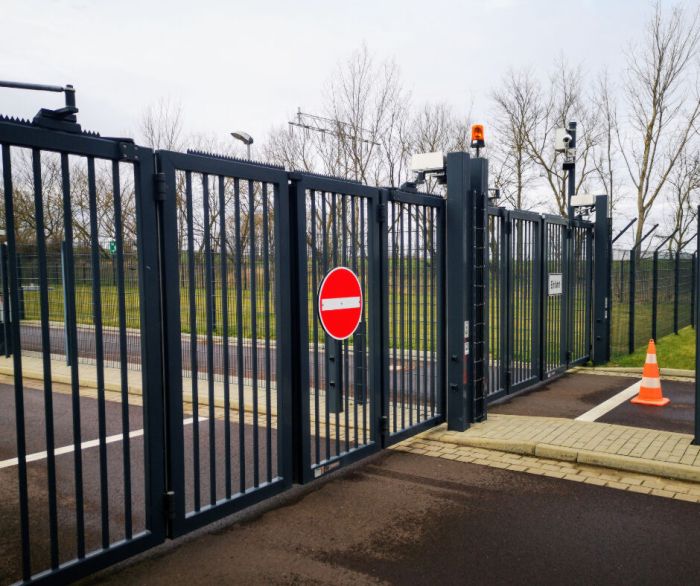
Investing in a commercial security gate system is a significant decision, impacting both immediate capital expenditure and long-term operational costs. Understanding the various cost factors is crucial for making informed choices and ensuring the system fits within your budget. This section details the key cost components and provides strategies for effective budget management.
Several factors influence the overall cost of a commercial security gate system. The initial purchase price varies greatly depending on the type of gate (swing, sliding, bollard), its size and material (steel, aluminum, etc.), automation features (motorized, remote control), and the level of security required. Installation costs, including labor and any necessary site preparation, represent another significant expense. Ongoing maintenance, including regular servicing, repairs, and potential part replacements, should also be factored into the total cost of ownership. Finally, operational expenses, such as electricity consumption for motorized gates and potential security monitoring fees, contribute to the long-term budget.
Sample Budget Breakdown for a Medium-Sized Commercial Security Gate System
This table illustrates a sample budget breakdown for a medium-sized commercial security gate system installation. Remember that these figures are estimates and can vary significantly based on specific project requirements and location. Always obtain detailed quotes from multiple vendors before making a decision.
| Cost Item | Description | Estimated Cost (USD) | Notes |
|---|---|---|---|
| Gate System Purchase | Sliding gate with automated opener, basic security features | $10,000 – $15,000 | Cost varies based on size, materials, and features. |
| Installation | Labor, site preparation, foundation work | $3,000 – $5,000 | Dependent on site conditions and complexity. |
| Additional Security Features | Access control system, sensors, lighting | $2,000 – $4,000 | Optional, but highly recommended for enhanced security. |
| Permitting and Inspections | Local authority fees and inspections | $500 – $1,000 | Varies by location and regulations. |
| Contingency | Buffer for unexpected expenses | $1,000 – $2,000 | Essential to account for potential issues. |
| Total Estimated Cost | $16,500 – $27,000 |
Strategies for Optimizing Costs
While prioritizing security is paramount, there are several strategies to optimize costs without compromising effectiveness. Careful planning and consideration of alternatives can lead to significant savings.
For example, choosing a simpler gate design or less expensive materials (while still meeting security needs) can reduce the initial purchase price. Exploring different installation options, such as utilizing existing infrastructure where possible, can lower installation costs. Regular preventative maintenance can help extend the lifespan of the system and reduce the frequency of costly repairs. Finally, comparing quotes from multiple vendors ensures you’re getting the best possible price for the quality and features you require. Prioritizing essential security features and carefully evaluating optional add-ons can also help control expenses. For instance, instead of a fully integrated, high-end access control system, a simpler keypad system might suffice for smaller businesses.
Safety and Regulatory Compliance
Source: securitygatesrus.com
Installing and operating commercial security gate systems requires strict adherence to safety regulations and industry standards. Neglecting these can lead to serious accidents, injuries, and legal repercussions. This section Identifies crucial safety considerations and the regulatory landscape governing these systems.
Safety hazards associated with gate systems are numerous and can range from minor inconveniences to life-threatening situations. Proper mitigation strategies are vital to minimize risks and ensure a safe operating environment. Understanding and implementing these strategies is crucial for responsible gate system ownership and operation.
Potential Safety Hazards and Mitigation Strategies
Potential hazards include crushing injuries from malfunctioning gates, entanglement in moving parts, and electrocution from faulty wiring. Mitigation involves regular maintenance checks, employing safety sensors and interlocks to prevent accidental closure, and using appropriate safety signage to warn personnel of potential dangers. Regular safety training for personnel interacting with the gates is also paramount. For example, implementing photoelectric sensors that detect obstacles in the gate’s path before closing prevents crushing injuries. Emergency stop buttons readily accessible to operators and bystanders are another crucial safety measure. Furthermore, clear and concise signage, indicating the gate’s operational status and safety precautions, must be displayed prominently.
Permitting and Approvals for Installation
Obtaining the necessary permits and approvals before installing a commercial security gate system is a non-negotiable step. This process varies depending on location and the specific type of gate system. It typically involves submitting detailed plans and specifications to the relevant authorities, such as building departments and fire marshals. These authorities will review the plans to ensure compliance with local building codes and safety regulations. Failure to obtain the necessary permits can result in significant fines and delays, and even lead to the system’s removal. For instance, in many jurisdictions, detailed engineering plans demonstrating the gate’s structural integrity and compliance with load-bearing requirements are needed. Additionally, fire safety inspections might necessitate specific features, such as emergency release mechanisms, to ensure compliance with fire codes. The process may also involve consultations with other stakeholders, such as traffic management authorities, depending on the gate’s location and impact on public spaces. Following the approval process ensures the installation is compliant and safe.
Future Trends and Innovations
Source: getsafeandsound.com
Commercial security gate systems are on the cusp of a significant transformation, driven by advancements in artificial intelligence (AI), the Internet of Things (IoT), and other emerging technologies. These innovations promise to enhance security, improve efficiency, and create more user-friendly and adaptable gate systems for a wide range of commercial applications. We’ll explore some of the key trends shaping the future of this vital security infrastructure.
The integration of AI and IoT is poised to revolutionize how commercial security gate systems operate. This integration will lead to smarter, more responsive, and more secure systems capable of adapting to evolving security threats and operational needs. We’ll see a move away from purely reactive systems towards proactive security measures, anticipating potential risks and mitigating them before they can materialize.
AI-Powered Security Enhancements
AI algorithms are already being used to improve the accuracy and speed of gate access control. Facial recognition, for example, is becoming increasingly sophisticated, enabling more secure identification and authorization. AI can also analyze video feeds from surveillance cameras integrated with the gate system to detect suspicious activity, such as unauthorized attempts to breach the gate or loitering near the perimeter. This proactive monitoring can trigger immediate alerts and responses, preventing potential security breaches. Beyond facial recognition, AI can analyze gait patterns and other behavioral biometrics to further enhance identification accuracy and security. Consider a scenario where AI detects an unusual gait pattern of a known authorized individual, triggering a secondary verification process to prevent potential impersonation.
IoT Integration for Enhanced Functionality
The Internet of Things (IoT) allows for seamless connectivity between the gate system and other security components, as well as remote management and monitoring capabilities. Imagine a system where the gate is linked to a building’s access control system, fire alarm system, and even the local police department. Real-time data sharing between these systems enables faster response times in emergencies and provides a more holistic view of the security landscape. IoT sensors embedded in the gate itself can monitor its operational status, providing alerts for maintenance needs before failures occur. For example, a sensor could detect unusual wear and tear on the gate’s motor, prompting preventative maintenance to avoid costly downtime. Remote diagnostics and remote software updates also become readily available through IoT connectivity, reducing the need for on-site maintenance visits.
Evolution of Commercial Security Gate Systems: A Visual Representation
Imagine a timeline stretching across several decades. At the earliest point, a simple, manually operated gate with a rudimentary locking mechanism represents the foundational stage. The next stage shows the introduction of electric motors, enabling automated opening and closing, along with basic keypads or card readers for access control. The third stage depicts the integration of advanced security features like photocells for safety, infrared sensors for intrusion detection, and more sophisticated access control systems. The fourth stage showcases the incorporation of network connectivity, allowing for remote monitoring and management, along with enhanced security features such as video surveillance integration. Finally, the fifth stage illustrates the future, depicting a highly integrated, AI-powered system with predictive analytics, seamless IoT connectivity, and advanced biometric authentication. This visual representation clearly shows the progression from simple mechanical systems to complex, intelligent, and networked security solutions. Each stage reflects advancements in technology and a growing emphasis on enhanced security and efficiency.
Conclusive Thoughts

Source: securitygatesrus.com
Securing your commercial property requires a multifaceted approach, and commercial security gate systems play a pivotal role. By understanding the different types of systems, their features, and the importance of proper installation and maintenance, you can significantly enhance your security and protect your assets. Staying informed about emerging technologies and industry best practices will further ensure your system remains effective and up-to-date. Remember, a well-planned and properly maintained security gate system is a valuable investment in the safety and peace of mind of your business.